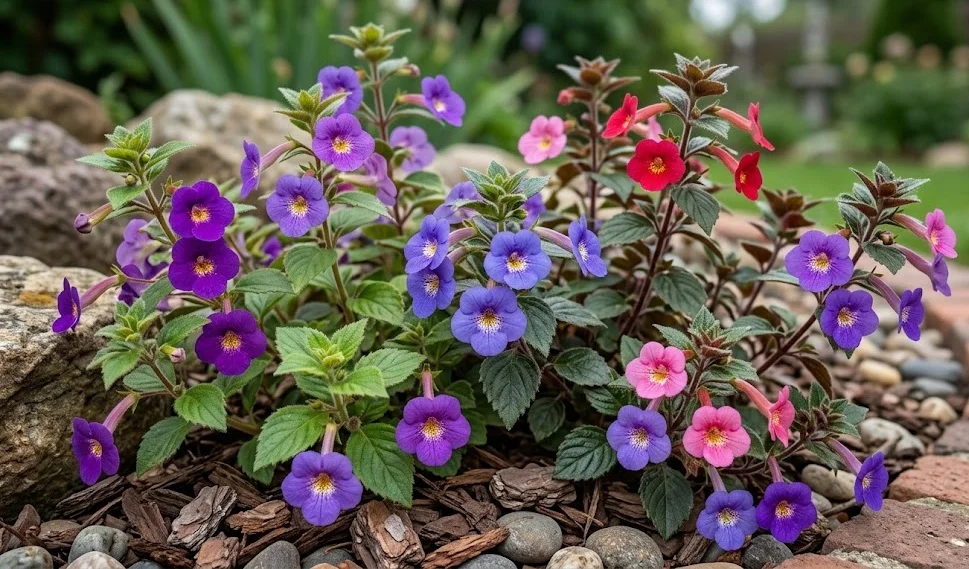

The journey of growing these beautiful tropical specimens begins with the careful selection of healthy rhizomes. These underground structures resemble small pinecones or scales and serve as the primary storage organ for the plant. When purchasing or harvesting them, look for firm, plump rhizomes that show no signs of mold or soft spots. The quality of the starting material directly dictates the vigor and blooming potential of the future plant.
Before the planting process begins, it is often helpful to inspect the rhizomes for any emerging sprouts. These tiny green tips indicate that the plant is ready to break its dormancy and begin active growth. If you are dealing with larger rhizomes, they can sometimes be carefully broken into smaller sections to increase your stock. However, ensure that each piece has at least one or two healthy scales to support new growth.
Timing is a crucial element when it is time to bring these dormant structures back to life. In most climates, the ideal window for planting is between late February and early April. Starting too early may result in weak, spindly growth due to the low light levels of late winter. Conversely, starting too late might shorten the growing season and reduce the overall flower production.
Pre-treating the rhizomes is a professional secret that many experienced gardeners use to prevent fungal infections. A brief soak in a mild fungicidal solution or even dusting them with cinnamon can provide an extra layer of protection. This is particularly important if the rhizomes were stored in a slightly damp environment during the winter. Once prepared, the rhizomes are ready to be tucked into their new growing medium for the season.
Planting depth and soil requirements
Achieving the correct planting depth is essential for the successful emergence of the young shoots. Generally, the rhizomes should be placed horizontally on the surface of the soil and covered with about two centimeters of medium. Planting them too deep can lead to delayed sprouting or even cause the rhizome to rot before it reaches the surface. A light, fluffy covering allows the delicate stems to push through easily as they grow.
More articles on this topic
The spacing of the rhizomes within the pot determines the ultimate fullness of the plant display. For a standard fifteen-centimeter pot, three to five rhizomes are typically sufficient to create a lush, bushy appearance. Spacing them evenly across the surface ensures that the stems do not compete too heavily for light and air. This density provides a professional-looking arrangement that will be covered in flowers by mid-summer.
The choice of soil during the planting phase sets the stage for the entire year’s growth. A mixture that balances moisture retention with high porosity is the gold standard for these tropical hybrids. Incorporating organic components like leaf mold or well-composted bark can enhance the nutrient profile of the mix. Avoid using heavy garden soil, as it tends to compact and restrict the vital oxygen flow to the roots.
Initial watering after planting should be done with extreme care and precision. The goal is to settle the soil around the rhizomes without making the entire medium saturated and cold. Using lukewarm water helps stimulate the biological processes within the dormant tissue and encourages faster sprouting. Place the pots in a warm location, ideally with bottom heat, to provide the best possible environment for germination.
Propagation through stem cuttings
Beyond the use of rhizomes, these versatile plants can also be easily propagated through stem cuttings during the summer. This method is an excellent way to share your favorite varieties with friends or to quickly increase your own collection. Choose healthy, non-flowering stems that are about five to eight centimeters in length for the best results. Using a sharp, sterilized blade ensures a clean cut that heals quickly and resists infection.
More articles on this topic
Once the cuttings are taken, remove the lower leaves to expose the nodes where the new roots will form. The cuttings can be placed directly into a light, moist propagation mix or even rooted in a glass of water. If using a soil-based method, creating a miniature greenhouse effect with a plastic cover helps maintain high humidity. This prevent the cutting from wilting while it focuses its energy on developing a new root system.
Rooting typically occurs within two to three weeks if the environment is kept consistently warm and bright. You will know the process is successful when you see new growth emerging from the top of the cutting. At this point, the young plants can be gradually acclimated to lower humidity levels by removing the cover for longer periods. This hardening-off process is vital for ensuring the long-term survival of the new starts.
Cuttings taken in early summer have enough time to develop their own small rhizomes before the winter dormancy period begins. This means that by the following spring, you will have established plants ready to grow alongside your original stock. Stem propagation is not only practical but also deeply rewarding for any gardener interested in the science of plant growth. It allows for a continuous cycle of renewal and expansion within your indoor garden.
Division of established rhizome clusters
As the plants mature over several seasons, the number of rhizomes produced will naturally increase and become crowded. Dividing these clusters every year or two is a necessary task to maintain the health and vigor of the colony. This process is best performed at the end of the dormancy period, just before the spring planting begins. Carefully tipping the dry soil out of the pot reveals the network of rhizomes waiting to be separated.
Gently teasing the rhizomes apart by hand is usually the safest way to avoid damaging the sensitive scales. You will often find that a single original rhizome has produced several offspring during the previous growing season. This exponential growth is one of the reasons why these plants are so popular among enthusiasts who enjoy expanding their collections. Sort the rhizomes by size, keeping the largest and healthiest ones for your primary displays.
Professional growers often use this opportunity to refresh their entire stock and discard any old or shriveled material. The oldest parts of the rhizome chain may eventually lose their vitality and produce fewer flowers over time. By selecting only the most robust specimens for replanting, you ensure a high-quality floral display every year. This selective process is a hallmark of an expert approach to long-term plant maintenance.
After division, the new rhizomes can be stored temporarily in dry peat moss if you are not ready to plant them immediately. Keep them in a cool, dark place to ensure they do not start growing before you have prepared their permanent pots. The ability to easily divide and multiply these plants makes them an incredibly cost-effective choice for home decoration. With just a little effort, a single plant can become a vast collection in just a few short years.