
Strategic pruning is one of the most effective ways to manage the size, shape, and health of the New England aster. This vigorous perennial responds exceptionally well to various cutting techniques, allowing you to customize its appearance to fit your garden’s aesthetic. Whether you want a shorter, bushier plant or a taller, more natural look, knowing when and how to prune is a valuable skill. This guide covers the essential methods for pruning and cutting back your asters throughout the entire growing season.
The early season pinching technique for bushier plants
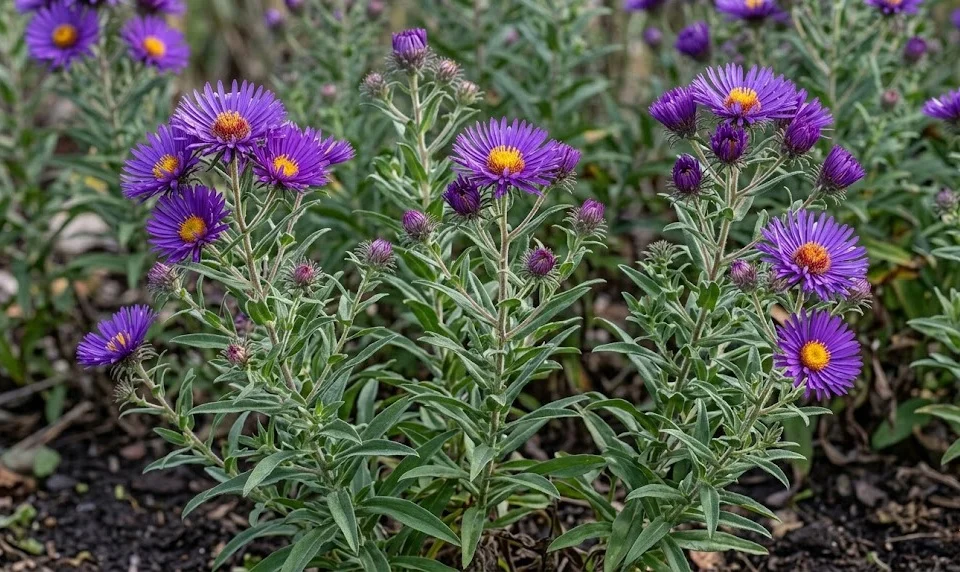
The “Chelsea chop” or early season pinching is a classic technique used to control the height of tall perennials like the New England aster. You should perform this task in late May or early June, once the stems have reached about 12 to 18 inches in height. By cutting back the top third of each stem, you remove the dominant growing tip and encourage the plant to branch out from lower down. This results in a much fuller, bushier plant that is naturally more stable and resistant to flopping.
In addition to improving the plant’s structure, pinching back also has a significant impact on the number of flowers produced. Instead of one large flower cluster at the end of a single stem, you will often get multiple smaller clusters on the new side branches. While this can sometimes lead to slightly smaller individual blossoms, the overall impact of the floral display is often much more dramatic. You can even choose to pinch back only half of the stems in a clump to extend the blooming period over a longer time.
Timing is everything when it comes to this early season pruning, as cutting too late can significantly delay or even prevent blooming. You should aim to finish all your pinching by the middle of June at the latest to give the plant enough time to recover and set flower buds. If you wait until July, you run the risk of cutting off the developing buds that would have become your autumn flowers. A little bit of discipline in the early summer pays off with a much more managed and attractive plant in the fall.
You don’t need any specialized tools for this task; simply using your thumb and forefinger to “pinch” off the tender new growth is often sufficient. If the stems have become a bit more woody, a clean pair of small garden snips or scissors will make the job easier and more precise. Be sure to make your cuts just above a set of leaves to encourage the new branches to emerge from that point. This simple intervention is one of the easiest ways to elevate the professional look of your garden beds.
More articles on this topic
Managing plant height and structure in mid-summer
As the summer progresses, you may find that some varieties of New England aster still grow taller than you anticipated. You should monitor the growth of your plants throughout July and determine if any additional structural pruning is needed. While you shouldn’t perform a major “chop” this late in the season, you can still selectively trim back particularly aggressive stems to keep the plant within its bounds. This helps maintain a neat appearance and prevents the aster from overwhelming its smaller neighbors.
Managing the airflow within a large, dense clump is another reason to do some light mid-season pruning. You should consider removing some of the interior stems if the plant becomes too congested, as this improves light penetration and reduces the humidity around the foliage. This proactive thinning is a great way to discourage the development of powdery mildew and other fungal issues that thrive in stagnant air. A well-ventilated plant is a healthier plant that will maintain its green leaves for much longer.
If your asters are starting to lean or look untidy, you can use light pruning to redirect their growth and improve their overall form. Cutting back stems that are growing out into a path or leaning over other plants keeps the garden looking intentional and well-maintained. Always try to maintain the natural, rounded shape of the plant rather than shearing it into a rigid geometric form. The goal is to enhance the beauty of the species while still allowing its character to shine through.
Using your pruning sessions as an opportunity to inspect the plant for pests and diseases is a smart gardening habit. You should look for any signs of aphid clusters or the first spots of rust while you are working close to the stems and leaves. Removing any damaged or unhealthy-looking material as you go helps keep the plant’s energy focused on healthy growth and future flower production. Mid-summer maintenance is all about the little details that contribute to a spectacular autumn finale.
More articles on this topic
Post-bloom maintenance and tool care for healthy plants
Once the final flowers have faded in the late autumn, the focus of your pruning shifts toward preparing the plant for its winter dormancy. You should wait until the foliage has completely died back and turned brown before doing any major cutting back. This ensures that the plant has had enough time to move all its energy reserves down into the root system. Cutting too early can deprive the roots of the resources they need to survive a particularly cold or long winter.
When you are ready to cut the plants back, you should aim for a height of about three to four inches above the soil line. This provides a neat appearance for the winter garden while leaving enough of the stem to act as a marker for the plant’s location. Some gardeners prefer to leave the seed heads for the birds, which is a great way to support local wildlife during the lean months. If you choose this route, you can simply do your final cleanup in the early spring before the new growth starts.
Keeping your pruning tools sharp and clean is essential for the health of your New England asters and all your garden plants. You should sanitize your shears with a solution of rubbing alcohol or a mild bleach mixture after working on each plant to avoid spreading diseases. Sharp tools make clean cuts that heal much faster than the jagged tears caused by dull blades. Regular maintenance of your equipment is an investment in the long-term success and health of your entire garden ecosystem.
Finally, remember that pruning is as much an art as it is a science, and every gardener develops their own style over time. You should experiment with different levels of pinching and cutting to see how your specific varieties react in your unique climate. Taking notes on the results of your pruning efforts will help you refine your technique and achieve even better results each year. A well-pruned New England aster is a testament to the care and attention you give to your landscape.