
Understanding the light needs of your perennials is the key to unlocking their most vibrant colors and ensuring a healthy, compact growth habit. You should recognize that while these plants are adaptable, they have a strong preference for bright, open conditions that mimic their natural mountain origins. A professional approach to light management involves placing your specimens where they can receive the maximum amount of energy without being scorched by the most extreme heat. By mastering the nuances of light and shadow, you will create a garden display that is both visually stunning and biologically robust.
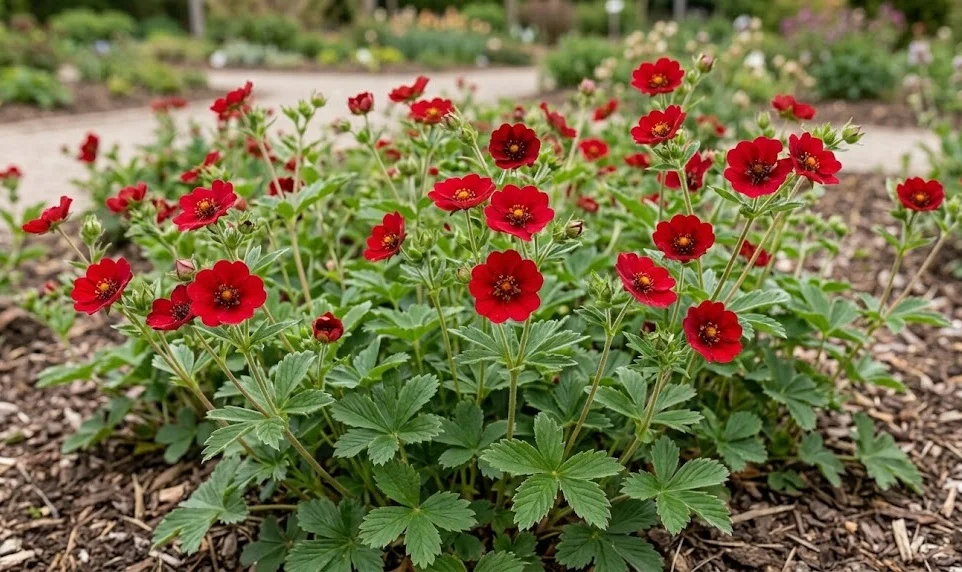
The ideal setting for these striking crimson-flowered perennials is a location that receives at least six to eight hours of direct sunlight each day. You should aim for a spot that is bathed in the clear, bright light of the morning and early afternoon, which provides the energy needed for photosynthesis. Full sun exposure is the primary driver of flower production, and plants in shaded spots will often produce fewer blooms and more leggy, unattractive stems. For a professional-grade display, maximizing light exposure is your most important consideration during the planning phase.
In addition to promoting flowers, bright light is essential for maintaining the unique silver-green color of the foliage that provides such a beautiful contrast. You should observe how the color of the leaves shifts depending on their position in the garden and the amount of light they receive. In lower light conditions, the leaves can lose their metallic sheen and become a more dull, standard green color. A well-lit plant is a healthy plant that showcases all the best characteristics of the species in every detail.
While they love the sun, you should also be aware of the potential for heat stress during the most intense part of a summer afternoon. You should provide a bit of protection from the harsh, drying rays of the late afternoon sun if you live in a particularly hot or arid climate. This can be achieved by placing the plants near taller perennials or shrubs that provide a light, dappled shade during the hottest hours. Balancing the need for light with the need for protection is a hallmark of an expert gardener who understands the local microclimate.
Managing partial shade tolerance
Although full sun is the gold standard, these perennials do show a remarkable level of tolerance for partially shaded positions in the garden. You should understand that “partial shade” means a location that receives four to six hours of light, ideally during the cooler parts of the day. In these settings, the plants will still grow and produce flowers, although the display may not be quite as dense as it would be in a fully open spot. This adaptability makes them a valuable choice for the mixed borders and complex landscapes that define many professional gardens.
More articles on this topic
If you are planting in a partially shaded area, you should be even more diligent about ensuring good air circulation and proper soil drainage. You should recognize that shaded spots tend to stay damp for longer, which can increase the risk of the fungal issues discussed in previous chapters. By keeping the area clear of debris and providing enough space between plants, you can mitigate these risks and enjoy healthy specimens in less-than-ideal light. A professional approach to shade management is about optimizing the environment to compensate for the lower energy levels.
Observe how the plants reach for the light if they are placed in a spot that is a bit too dark for their liking. You should notice if the stems become unusually long and thin as the plant tries to find a better vantage point for its leaves. If the growth becomes too distorted, it is a clear sign that you should consider moving the plant to a brighter location in the following spring. Being responsive to these visual cues is part of the ongoing process of refinement that leads to a truly successful and beautiful garden.
In very light shade, the flowers can sometimes last a bit longer than they do in the scorching full sun, as the petals are less likely to fade or shrivel. You should experiment with different placements within your garden to see how the light levels affect the longevity and intensity of the crimson blooms. Every garden is unique, and finding the perfect balance for your specific site is a rewarding part of the horticultural journey. Professionalism in gardening is often about this kind of careful observation and fine-tuning of the environmental conditions.
Light and color intensity
The intensity of the light has a direct impact on the chemical processes within the plant that produce the vivid red pigments in the petals. You should notice that plants grown in the brightest spots often have the deepest, most saturated colors that seem to glow in the garden. In lower light, the red can sometimes appear a bit paler or more orange in tone, which changes the overall aesthetic of the planting scheme. Understanding this relationship allows you to use light as a design tool to create specific moods and visual effects in your borders.
More articles on this topic
Morning light is particularly beneficial because it is high in the wavelengths that drive growth and color development without the extreme heat of the afternoon. You should try to orient your main flower beds so that they catch the first rays of the sun as it rises over the horizon. This early boost sets the plant up for a successful day of photosynthesis and helps to dry any dew from the leaves, reducing disease risk. A morning-sun orientation is a classic professional technique for creating high-performance flowering displays.
As the season progresses and the angle of the sun changes, you should keep an eye on how the shadows shift across your garden beds. You should be aware that a spot that is in full sun in June might be in deep shade by September as the sun drops lower in the sky and nearby trees cast longer shadows. This seasonal shift in light availability can affect the plant’s ability to prepare for winter and its overall vigor. Professional garden management involves accounting for these long-term cycles as well as the daily ones.
Finally, consider the reflective qualities of nearby structures, such as light-colored walls or fences, which can increase the total light available to your plants. You should use these elements to your advantage to brighten up a darker corner or provide extra energy for a particularly demanding specimen. Reflected light can be very powerful, so be careful not to overdo it and accidentally scorch the foliage of sensitive plants. With a deep understanding of light and its effects, you can truly master the art and science of professional garden design and care.