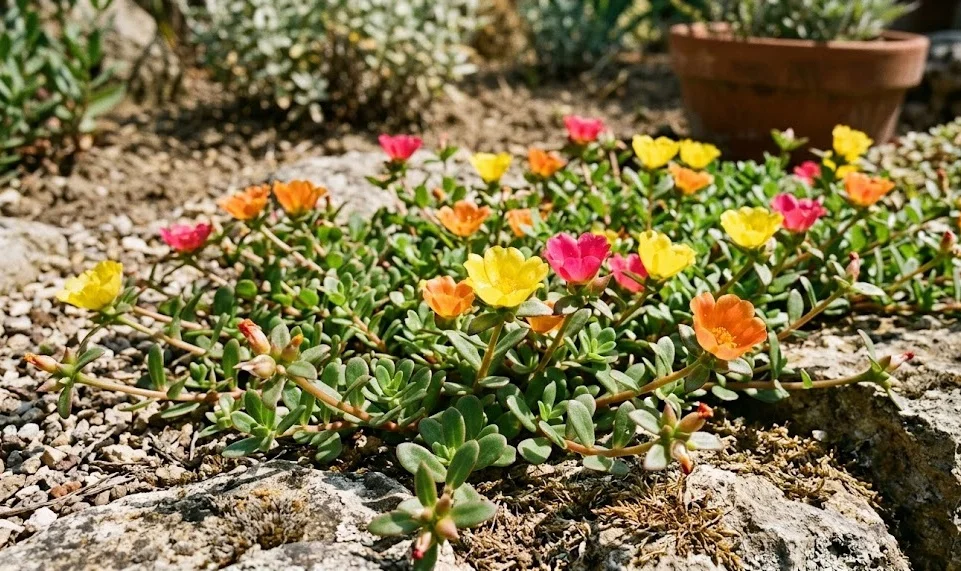

Mastering the hydration and nutrition of the wingpod purslane is a delicate art that separates the amateur gardener from the professional. As a succulent, this plant has unique physiological adaptations that allow it to store water, making it highly drought-tolerant but also sensitive to overwatering. Proper fertilization is equally critical, as it provides the fuel for the continuous production of its signature vibrant blooms. Understanding the specific needs of this species will lead to a lush, healthy display that lasts all summer long.
The principles of succulent irrigation
Watering a wingpod purslane requires a “soak and dry” approach that respects the plant’s natural habitat. Instead of frequent light misting, the goal is to provide a deep watering that reaches the entire root zone and then allow the soil to dry out completely. This method encourages the roots to grow deeper in search of moisture, making the plant more resilient. Always check the soil moisture with your finger before reaching for the watering can.
The timing of your watering routine can significantly impact the health of the foliage and flowers. It is best to water early in the morning so that any moisture that accidentally lands on the leaves can evaporate quickly in the sun. Watering in the evening can leave the plant damp overnight, which creates the perfect environment for fungal pathogens. If the sun is at its peak, avoid watering to prevent the risk of thermal shock to the root system.
Environmental factors like temperature and humidity will dictate how often you need to provide water. During a scorching heatwave, the plant may need attention every few days, especially if it is in a small container. Conversely, during a cool or humid spell, the soil will retain moisture much longer, and you should hold off on watering. A professional grower always adjusts their schedule based on the real-time needs of the plant rather than a rigid calendar.
The quality of the water used can also play a subtle role in the long-term vigor of the purslane. While they are generally hardy, extremely hard water with high mineral content can sometimes cause a buildup of salts in the soil. Using rainwater or filtered water can prevent this issue and keep the soil chemistry balanced. If you notice a white crust forming on the surface of the soil or the edges of the pot, it is a sign that you need to flush the system.
More articles on this topic
Signs of water stress
Being able to read the physical cues of the wingpod purslane is essential for preventing long-term damage from improper watering. When the plant is thirsty, the fleshy leaves will begin to lose their turgidity and may look slightly wrinkled or dull. This is the plant’s way of conserving its internal water reserves during a drought. If caught early, a thorough watering will usually result in the plant bouncing back within a few hours.
Overwatering is often more dangerous than underwatering and shows different symptoms that must be recognized quickly. Soft, mushy stems or leaves that turn yellow and drop off are classic signs that the roots are drowning in too much moisture. If you notice a foul smell coming from the soil, it indicates that root rot has already begun to set in. In such cases, the best course of action is to stop watering immediately and let the soil dry out completely.
The flowers can also provide clues about the moisture levels available to the plant. If the buds are falling off before they have a chance to open, it could be a sign of inconsistent watering or extreme drought stress. A healthy plant will have firm, upright stems and buds that open reliably every morning. Watching the daily cycle of the blooms is one of the best ways to gauge the overall hydration status of your succulent.
Leaf color is another indicator that a professional will monitor closely throughout the growing season. While some redness can be a natural response to intense sunlight, extreme purple or reddish tints can sometimes indicate prolonged drought stress. On the other hand, pale, translucent leaves are a sign of excessive water and a lack of oxygen in the root zone. Striking the right balance keeps the foliage looking a vibrant, healthy green.
More articles on this topic
Selecting the right fertilizers
To maintain a continuous carpet of flowers, the wingpod purslane requires a steady supply of nutrients, particularly phosphorus. A balanced, water-soluble fertilizer with an N-P-K ratio like 10-10-10 or a bloom-boosting formula like 10-30-10 is often recommended. Nitrogen encourages lush green growth, but too much of it can lead to a lot of leaves and very few flowers. Phosphorus is the key ingredient that fuels the development of those beautiful, multi-colored blooms.
Slow-release granules are an excellent option for those who prefer a “set it and forget it” approach to nutrition. These pellets can be mixed into the soil at the time of planting and will gradually release nutrients over several months. This provides a consistent baseline of food that the plant can draw upon as it grows. For high-performance displays, many professionals supplement this with occasional liquid feeding during the peak of summer.
Organic options, such as compost tea or liquid seaweed, can also be used to provide a more holistic range of micronutrients. These natural fertilizers not only feed the plant but also improve the biological health of the soil. However, because they are often lower in concentrated phosphorus, they may need to be applied more frequently to achieve the same flowering results. Using a combination of organic and mineral fertilizers can offer the best of both worlds.
It is important to avoid over-fertilizing, as succulents can be sensitive to a high concentration of salts in the soil. If you use synthetic fertilizers, it is often a good idea to dilute them to half the strength recommended on the package. Signs of fertilizer burn include brown, crispy leaf edges or a sudden decline in the plant’s health. Always apply fertilizer to damp soil rather than bone-dry soil to prevent the concentrated chemicals from damaging the delicate root hairs.
Seasonal feeding schedules
The nutritional needs of the wingpod purslane change as it moves through its annual life cycle. In early spring, as the plant begins its first flush of growth, a slightly higher nitrogen content can help it establish a strong canopy. This initial boost sets the stage for a productive season by ensuring the plant has enough photosynthetic surface area. Once the first buds appear, the focus should shift toward supporting the flowering process.
During the height of summer, when the plant is growing and blooming at its maximum rate, regular feeding is most beneficial. If you are using a liquid fertilizer, an application every two to four weeks is usually sufficient to keep the colors vibrant. During periods of extreme heat, however, it is better to reduce the frequency of feeding. The plant’s metabolism may slow down during a heatwave, and forcing growth with fertilizer can cause unnecessary stress.
As autumn approaches and the days begin to cool, the fertilization schedule should be gradually phased out. The plant needs to start preparing for its dormant period, and fresh, tender growth stimulated by fertilizer is very susceptible to cold damage. Stopping all feeding about a month before the first expected frost allows the existing tissues to harden off properly. This natural transition is a key part of maintaining the long-term health of the species.
For plants that are being overwintered indoors, the feeding routine should be completely halted. During the winter months, the light levels are too low to support active growth, and adding fertilizer will only lead to weak, leggy stems. Wait until the following spring, when the plant is moved back into a sunny spot and shows signs of new growth, before resuming a feeding schedule. This cyclical approach mimics the natural environment and ensures a healthy restart each year.
Application techniques for success
How you apply water and fertilizer is just as important as what you are using. When watering, aim the stream at the base of the plant rather than spraying the entire mound of foliage. This ensures the water gets directly to the roots where it is needed and keeps the flowers looking their best. A long-necked watering can or a gentle drip system is ideal for this task.
When applying liquid fertilizer, ensure that the soil is already slightly moist to prevent root shock. Never apply concentrated fertilizer to a plant that is already suffering from severe drought stress, as this can be fatal. Instead, give the plant a plain watering first, wait an hour, and then apply the nutrient solution. This professional sequence ensures maximum absorption and minimal risk of chemical damage.
If you are growing wingpod purslane in a hanging basket, remember that nutrients leach out of the soil faster due to frequent watering. You may need to fertilize these specimens slightly more often than those planted in the ground. Keeping a close eye on the color of the foliage will tell you if the plant is starting to run low on resources. A slight yellowing of the older leaves is often the first sign that a feeding is overdue.
Finally, always keep a record of when you water and fertilize, especially if you have a large collection of plants. This helps you track the effectiveness of your routine and make adjustments for the following year. Gardening is a continuous learning process, and professional results come from careful observation and consistent care. By treating your wingpod purslane with this level of attention, you will be rewarded with a spectacular display.