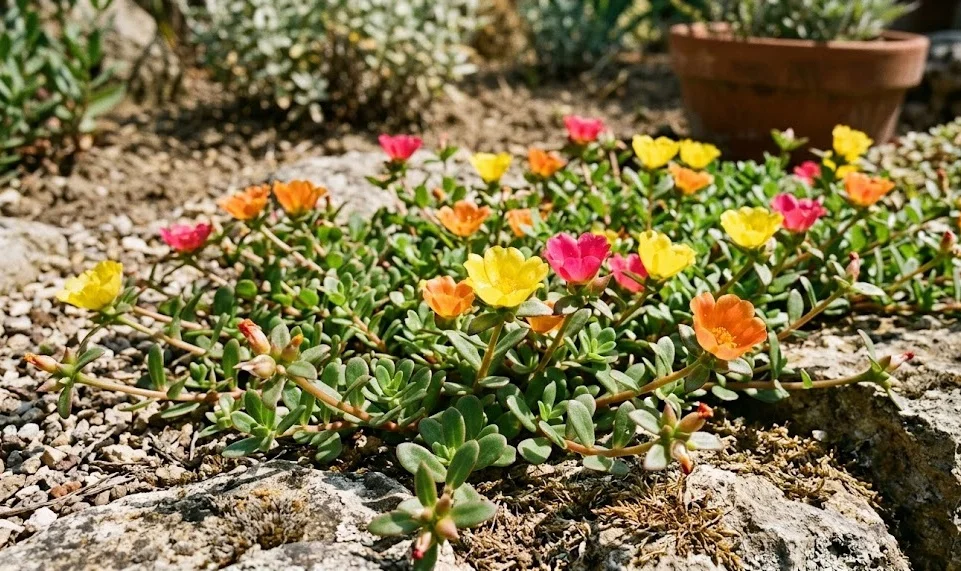

While the wingpod purslane is celebrated for its ruggedness and ability to thrive in harsh conditions, it is not entirely immune to biological threats. In a professional horticultural context, identifying and managing potential diseases and pests is essential to preserving the aesthetic value of the garden. Most issues arise when the plant’s environment becomes too damp or when it is under significant stress. By maintaining a proactive stance on plant health, you can prevent minor issues from becoming widespread infestations.
Common fungal and bacterial issues
The most prevalent threat to wingpod purslane is root rot, which is almost always a direct result of overwatering or poor drainage. This fungal condition attacks the root system in anaerobic conditions, causing the roots to turn black and slimy. Once the rot reaches the main stem, the entire plant can collapse and die within a matter of days. Preventing this condition requires a strict adherence to proper soil composition and watering techniques.
Stem rot is a similar issue that often occurs at the soil line where the fleshy branches make contact with damp earth. If the environment is too humid or if the plants are crowded, fungal spores can quickly colonize the succulent tissues. You might notice a white, fuzzy growth or dark, sunken lesions appearing on the lower parts of the stems. Improving air circulation and using an inorganic mulch like gravel can significantly reduce the risk of this infection.
Botrytis, or gray mold, is another fungal pathogen that can affect the flowers and young foliage during periods of high humidity. It typically presents as a fuzzy gray coating that causes the delicate petals to turn brown and rot. This disease spreads rapidly in stagnant air, so ensuring that your plants are not tightly packed is a key defensive strategy. Removing any infected parts immediately and disposing of them away from the garden is a necessary step.
Leaf spot diseases can occasionally appear as small, circular lesions on the fleshy leaves of the purslane. These are often caused by water splashing from the soil onto the foliage, carrying pathogens with it. While usually not fatal, a severe infection can weaken the plant and reduce its visual appeal. Watering at the base of the plant and avoiding overhead irrigation are the best ways to keep the foliage clean and disease-free.
More articles on this topic
Managing common insect pests
Aphids are small, soft-bodied insects that can sometimes be found clustering on the tender new growth or flower buds. They feed by sucking the sap from the plant, which can lead to distorted leaves and a general loss of vigor. If you notice a sticky substance called honeydew on the leaves, it is a sure sign that aphids are present. A strong stream of water can often dislodge them, but a professional-grade insecticidal soap may be needed for larger populations.
Mealybugs are another common succulent pest that look like small, white cottony tufts hidden in the leaf axils. These insects are particularly troublesome because they can hide in the crevices of the fleshy stems where they are hard to see. They also feed on the plant’s sap and can cause significant damage if left unchecked. Spot-treating the affected areas with a cotton swab dipped in rubbing alcohol is a highly effective and targeted way to manage them.
Spider mites are tiny pests that thrive in the hot, dry conditions that wingpod purslane usually enjoys. They are often too small to see with the naked eye, but their presence is revealed by fine webbing between the leaves and stems. An infestation will cause the foliage to take on a stippled, yellowed appearance as the mites drain the plant’s cells. Increasing the local humidity slightly or using neem oil can help keep these microscopic invaders under control.
Thrips are minute, slender insects that can cause silvering or scarring on the flowers and leaves. They are particularly attracted to the bright blooms of the purslane and can ruin a display very quickly. Because they are mobile and can hide deep inside the flowers, they are sometimes difficult to eradicate completely. Monitoring your plants with yellow sticky traps can help you detect their presence early and take the necessary steps to protect your blooms.
More articles on this topic
Physical and environmental stressors
Sometimes, the problems appearing on your wingpod purslane are not caused by pathogens or pests but by environmental factors. Sunscald can occur if a plant that has been growing in a shaded area is suddenly moved into intense, direct sunlight. This results in bleached, papery patches on the leaves where the tissue has literally been burned by the UV rays. Always transition your plants gradually to higher light levels to give them time to adapt their cellular structure.
Edema is a physiological condition that happens when the plant absorbs water faster than it can use or transpire it. This causes the cells to burst, resulting in small, corky bumps or blisters on the undersides of the leaves. While it is not a disease, it is a sign that the watering schedule or the humidity levels need to be adjusted. Improving air movement around the plant usually resolves the issue and prevents new blisters from forming.
Nutrient deficiencies can also manifest as symptoms that mimic certain diseases. For example, a lack of magnesium can cause the older leaves to turn yellow while the veins remain green, a condition known as interveinal chlorosis. Ensuring that your fertilizer contains a full spectrum of micronutrients will help prevent these nutritional imbalances. Regular soil testing is the professional way to ensure your plants have everything they need for optimal health.
Temperature stress is another factor that can cause the wingpod purslane to look unhealthy. If the nights become too cold, the plant may respond by dropping its leaves or showing a dramatic change in color. Sudden drops in temperature can also weaken the plant’s immune system, making it more susceptible to secondary infections. Keeping an eye on the weather forecast and providing protection during unseasonal cold snaps is part of professional plant management.
Integrated pest management strategies
A professional approach to plant health involves more than just reacting to problems as they arise. Integrated Pest Management (IPM) is a strategy that combines cultural, physical, and biological controls to maintain a healthy garden. The first line of defense is always prevention through proper care and maintaining a clean growing environment. Healthy, unstressed plants are much less likely to be targeted by pests or succumb to diseases.
Regular inspections are the most important part of an effective IPM program. Spend a few minutes each week looking closely at your plants, checking the undersides of leaves and the centers of the mounds. Catching a pest infestation or a disease outbreak in its earliest stages makes treatment much simpler and more effective. A small magnifying glass can be a valuable tool for spotting tiny invaders like spider mites or young aphids.
Biological controls involve the use of beneficial insects to manage pest populations naturally. Encouraging ladybugs, lacewings, and predatory mites in your garden can provide a continuous and sustainable way to keep pests in check. These “good bugs” act as natural hunters, seeking out and consuming many of the pests that plague the wingpod purslane. Avoiding the use of broad-spectrum chemical pesticides is essential for maintaining a healthy population of these beneficial allies.
When chemical intervention is necessary, always choose the least toxic option that will be effective. Insecticidal soaps, horticultural oils, and neem oil are often sufficient for managing most common succulent pests while having minimal impact on the environment. Always follow the label instructions carefully and apply the treatment during the cooler parts of the day to avoid leaf burn. A targeted, thoughtful approach to pest and disease management will ensure your wingpod purslane remains a highlight of your garden.
Sanitation and long-term health
Maintaining a clean garden environment is a simple yet powerful way to reduce the incidence of disease. Regularly remove any fallen leaves or dead flowers from the surface of the soil, as these can harbor fungal spores and pests. This “garden hygiene” prevents the buildup of organic debris that can trap moisture against the sensitive stems. A tidy garden is not just about looks; it is about the fundamental health of your plants.
Always use sterilized tools when pruning or taking cuttings from your wingpod purslane. Fungal and bacterial pathogens can easily be transferred from one plant to another on the blades of scissors or knives. Wiping your tools with a solution of isopropyl alcohol between plants is a quick and effective way to prevent the spread of infection. This professional habit is one of the easiest ways to protect your entire collection.
If a plant does become severely diseased, the most responsible action is often to remove and destroy it entirely. Trying to save a heavily infected specimen can put all your other plants at risk as the disease spreads. Do not add diseased plant material to your compost pile, as many pathogens can survive the composting process. Bagging and disposing of the affected plant in the trash is the safest way to break the cycle of infection.
Finally, consider the long-term health of your soil when managing diseases. If you have had repeated issues with root rot in a specific location, it may be a sign that the soil is contaminated or has poor structure. Replacing the soil or rotating your planting locations can help prevent the buildup of soil-borne pathogens. A professional gardener looks at the whole ecosystem, ensuring that the foundation of the garden remains healthy and vibrant for years to come.