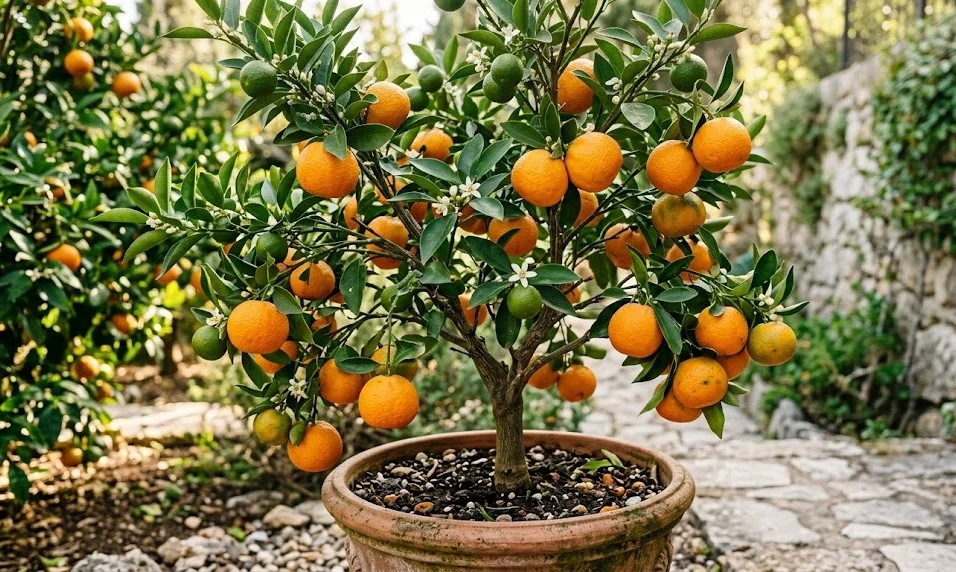

Light is the primary energy source that drives the growth, flowering, and fruit production of the mandarin tree. In the world of citrus cultivation, providing the correct intensity and duration of sunlight is often the difference between a decorative plant and a productive tree. These plants have evolved to thrive under high-light conditions, and their physiological structures are optimized for capturing solar energy. Understanding how light interacts with the tree’s canopy is essential for any serious grower looking to maximize their harvest.
Maximizing solar exposure in the garden To achieve the best results, mandarins should be positioned in a location that receives at least eight to ten hours of direct sunlight daily. This intensity is necessary for the complex chemical reactions that produce the sugars found in the ripening fruit. South-facing slopes or the sunniest corners of a garden are usually the most desirable spots for planting citrus. Trees that are grown in too much shade often become leggy and produce very few, if any, flowers during the season.
The role of light in fruit quality The sweetness and color of the mandarin fruit are directly influenced by the amount of light the tree receives during the ripening process. Sunlight triggers the production of anthocyanins and other pigments that give the peel its vibrant orange hue. Furthermore, the leaves require intense light to produce the carbohydrates that are later transported into the developing fruit. Professional orchards are often designed with specific tree spacing to ensure that light reaches even the lower branches of the canopy.
Supplemental lighting for indoor specimens In regions with dark winters or for trees kept permanently indoors, natural light is often insufficient to meet the plant’s high demands. Using full-spectrum grow lights can bridge this gap and provide the necessary wavelengths for continued photosynthesis. These lights should be positioned close to the canopy but far enough away to avoid heat damage to the delicate leaves. Timers can be used to simulate a natural day-night cycle, ensuring the tree receives a consistent energy supply throughout the year.
Phototropism and canopy management Mandarins exhibit phototropism, meaning they will naturally grow toward the strongest light source available to them. In a fixed location, this can lead to an asymmetrical canopy if the light only comes from one side. Periodically rotating container-grown trees ensures that all sides of the plant receive equal exposure and develop evenly. For trees in the ground, proper pruning helps open up the center of the tree, allowing light to penetrate deep into the interior and promoting fruit production on inside branches.