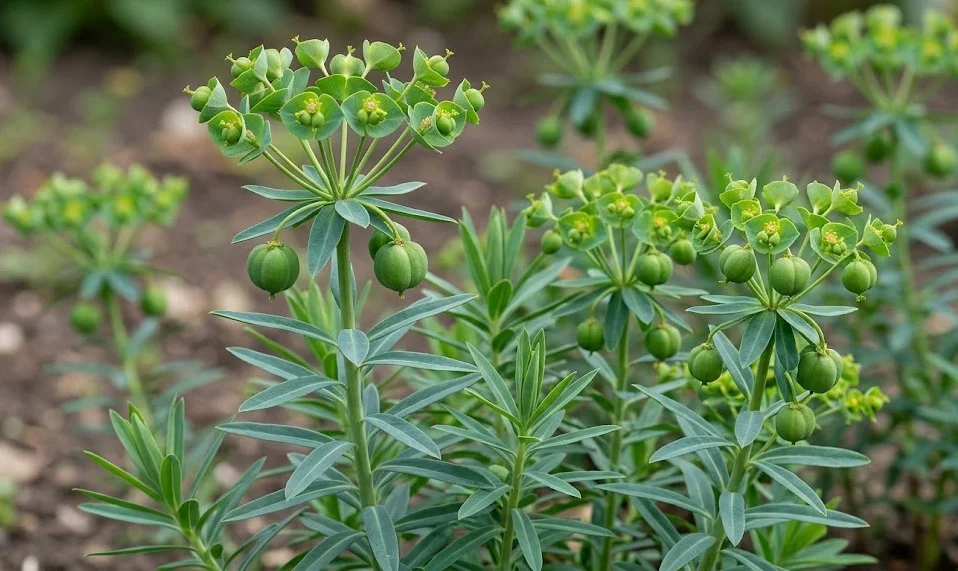

Preparing the mole plant for the winter months is a straightforward process, provided you understand its biennial nature and cold hardiness. As an evergreen species in many climates, it remains a visible and structural part of the garden even when other plants have gone dormant. You must ensure that the transition into the colder season is managed with care to protect the young rosettes that will bloom the following year. Professional winter care focuses on moisture management and physical protection from extreme temperature fluctuations.
The first step in winter preparation begins in the late autumn as growth naturally slows down. Clear away any fallen leaves or garden debris from around the base of the plant to prevent moisture from being trapped against the stem. This simple act of hygiene reduces the risk of fungal infections that can take hold in the damp, cool conditions of winter. A clean area also makes it easier to monitor the health of the plant during the occasional mid-winter inspection.
The mole plant is generally hardy to temperatures as low as minus fifteen degrees Celsius, making it suitable for many temperate regions. However, its survival is heavily dependent on the soil remaining relatively dry during the coldest periods. Cold and wet soil is far more dangerous to the plant than cold air alone, as it can cause the roots to freeze and burst or rot away. If you live in an area with particularly heavy winter rainfall, consider providing a temporary rain shelter for your most prized specimens.
Mulching can be beneficial, but it must be applied with a professional’s touch to avoid doing more harm than good. A thin layer of coarse organic material, like bark chips or pine needles, can help stabilize soil temperatures and prevent frost heaving. However, you must keep the mulch several centimeters away from the central stem of the plant to allow for air circulation. If the mulch is piled too high or too close, it can create a moist environment that encourages the base of the plant to decay.
Protection from extreme cold and wind
In regions where the temperature regularly drops below the plant’s natural tolerance, additional protection may be necessary. You can wrap individual plants in horticultural fleece or burlap to provide a few degrees of extra warmth and protection from biting winds. This wrapping should be loose enough to allow some air exchange while still providing a thermal barrier against the elements. Remove the protection as soon as the extreme cold snap passes to prevent the plant from overheating on a sunny winter day.
More articles on this topic
Wind desiccation is a common problem for evergreen plants in winter, as the frozen soil prevents the roots from replacing the moisture lost through the leaves. If your mole plants are in an exposed location, a simple windbreak made from stakes and netting can significantly reduce this stress. This barrier breaks the force of the wind without completely blocking the light that the plant still needs for minimal photosynthesis. Protecting the foliage in this way keeps the plant looking green and healthy until the spring thaw arrives.
Heavy snowfall can also pose a physical threat to the structural integrity of the mole plant. While the stems are generally sturdy, a large accumulation of heavy, wet snow can cause them to bend or even snap. Gently brush off significant snow loads with a broom or by hand, taking care not to damage the brittle leaves in the process. If a stem does become bent, it will often straighten itself out once the weight is removed, provided the internal tissues haven’t been severely damaged.
For those in truly arctic climates, growing the mole plant as a container specimen that can be moved into a cold frame or unheated greenhouse is the best strategy. These sheltered environments provide protection from the worst of the weather while still allowing the plant to experience the necessary period of winter chill. The goal is not to keep the plant warm, but to keep it from experiencing the lethal extremes of an outdoor winter. This controlled approach guarantees that you will have healthy plants ready to resume growth in the spring.
Indoor care for container specimens
If you choose to bring your container-grown mole plants indoors, they should be placed in the coolest possible room that still receives bright light. An unheated porch, a bright basement, or a cool spare room is far better than a centrally heated living area. The plant needs to remain in a semi-dormant state, and excessive warmth will trigger weak, spindly growth that cannot survive the eventual return to the outdoors. Keeping the temperature between five and ten degrees Celsius is ideal for maintaining the plant’s health through the winter.
More articles on this topic
Watering requirements drop significantly when the plant is kept in a cool indoor environment. You should only provide enough water to prevent the soil from becoming completely bone-dry and the plant from shriveling. Over-watering during this period is the most common mistake and will almost certainly lead to the death of the plant from root rot. Check the moisture levels every two weeks, and only water if the soil feels dry deep below the surface.
Avoid the temptation to fertilize the plant during its indoor winter stay, as it simply does not have the light or temperature levels to support new growth. Any nutrients added now will only accumulate in the soil and potentially damage the roots. The plant is living off its stored energy reserves, and your job is merely to provide the stable conditions it needs to wait out the cold. By respecting this natural dormancy, you ensure the plant remains strong and ready for the vigorous growth of the coming spring.
Light remains a critical factor even during the winter dormancy period for this evergreen species. If the indoor location is too dark, the plant may begin to shed its leaves or lose its characteristic blue-green color. Place the containers as close to a south-facing window as possible to maximize the available daylight. If natural light is insufficient, a supplemental grow light can be used for a few hours each day to keep the plant’s metabolic processes functioning at a healthy, minimal level.
Spring transition and recovery
As the days begin to lengthen and the risk of hard frost diminishes, you can start the process of acclimating your plants back to the outdoor environment. This should be done gradually over a period of one to two weeks, a process often referred to as “hardening off.” Start by placing the plants outside in a sheltered, shaded spot for a few hours during the warmest part of the day. Slowly increase their exposure to direct sunlight and cooler nighttime temperatures until they are fully re-established in their garden positions.
For plants that stayed in the ground all winter, spring care begins with a thorough inspection of the foliage and stems. Remove any leaves that have become brown or damaged by frost to improve the plant’s appearance and prevent disease. You may notice that the plant looks a bit tired after the long winter, but it will quickly regain its vigor as the soil warms up. This is the perfect time to give the area a final cleanup and prepare for the rapid growth of the second-year phase.
Be patient with the return of active growth, as the soil takes longer to warm up than the air. You will see the center of the rosette begin to push out new, vibrant green leaves as the plant transitions into its reproductive stage. Do not be tempted to start heavy watering or fertilization until you see clear signs that the plant is actively growing again. Providing too much care too early can shock the system and lead to the very issues you worked so hard to avoid during the winter.
Watching your mole plants emerge from their winter slumber is one of the most rewarding aspects of gardening with biennials. Their resilience in the face of cold and snow is a testament to their evolutionary adaptation to temperate climates. With the foundation you have provided through careful overwintering, your plants are now poised to reach their full architectural glory. The upcoming flowering season will be the ultimate reward for your diligent year-round care.