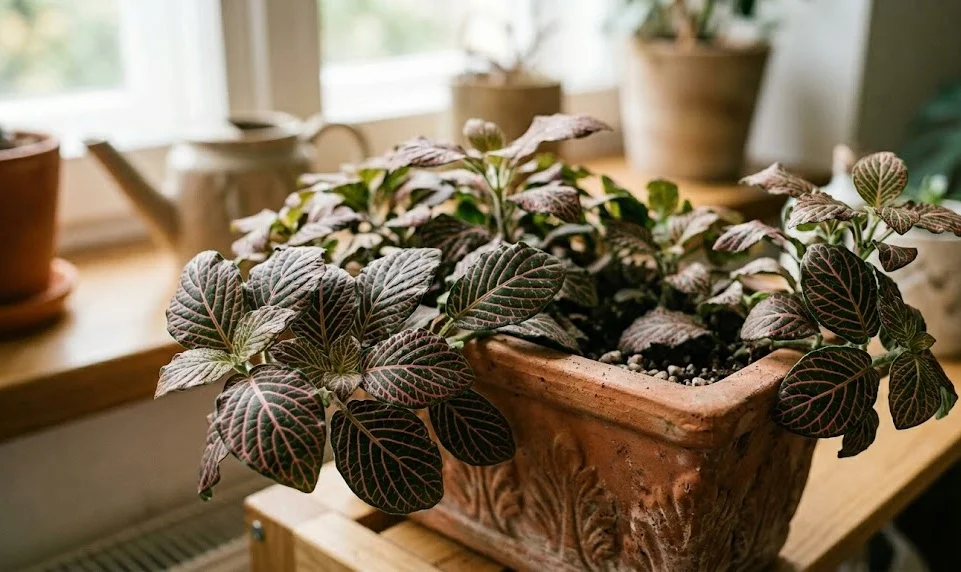

Mastering the art of watering is perhaps the most critical skill you will need to keep your nerve plant thriving and beautiful. These plants are exceptionally sensitive to the moisture levels in their soil and will quickly show signs of distress if they are either too dry or too wet. You must aim for a balance where the soil remains consistently moist to the touch but never truly saturated or muddy. Developing a rhythmic watering schedule that responds to the specific conditions of your home is the best way to prevent the dreaded “faint” that these plants are known for.
The quality of the water you use can also have a significant impact on the long-term health and appearance of the foliage. Many growers find that using filtered water or rainwater helps to prevent the buildup of mineral salts that can occur with tap water. If you must use tap water, it is a good idea to let it sit out in an open container for twenty-four hours before using it. This allows some of the chlorine to dissipate and ensures that the water reaches room temperature, which is much gentler on the roots.
When you water your plant, you should aim to moisten the entire root ball evenly by pouring water slowly over the surface of the soil. You should continue watering until you see a small amount of excess liquid draining out from the holes at the bottom of the pot. This ensures that the water has reached the deepest roots and helps to wash away any accumulated fertilizer salts from the substrate. Always make sure to empty the drainage tray after a few minutes so the plant is not sitting in standing water for an extended period.
You will need to adjust your watering frequency based on the changing seasons and the specific humidity levels in your room. During the warm and bright summer months, your plant will likely require more frequent watering as it grows more rapidly and loses moisture faster. In contrast, the cooler and darker winter months usually mean that the soil will stay moist for a longer period of time. Always check the moisture level with your finger before reaching for the watering can to ensure you are not overwatering.
Understanding nutrient requirements and timing
Fertilization provides the essential building blocks that your nerve plant needs to produce its stunningly colorful and intricate foliage. You should look for a high-quality, balanced liquid fertilizer that contains an equal ratio of nitrogen, phosphorus, and potassium. Because these plants have relatively delicate roots, it is always safer to use the fertilizer at half or even a quarter of the strength recommended on the package. Providing a steady but diluted supply of nutrients is much more effective than occasional heavy doses which can cause chemical burns.
More articles on this topic
The best time to feed your plant is during its period of active growth, which typically spans from early spring through the end of autumn. You can establish a routine of applying the diluted fertilizer every four to six weeks to support the constant production of new leaves. You will notice that well-fed plants often exhibit more intense vein colors and larger, more robust leaves than those that are neglected. Always make sure the soil is already moist before applying fertilizer to prevent any potential damage to the root system.
As the days grow shorter and the temperatures begin to drop in late autumn, you should gradually reduce the frequency of your feeding schedule. During the winter dormancy, the plant’s metabolic processes slow down significantly and it does not require as much supplemental nutrition. Continuing to fertilize heavily during this time can lead to a toxic buildup of minerals in the soil that can harm the plant. Resuming your regular fertilization routine in the spring will give the plant the boost it needs to start the new growing season.
If you notice that your plant is producing very small leaves or that its growth has completely stalled, it may be a sign that it needs more nutrients. On the other hand, if the leaf edges start to turn brown and crispy despite high humidity, you might be over-fertilizing. It is important to find the right balance for your specific plant and the environment it lives in. Observing the plant’s reaction to your feeding schedule over several months will help you fine-tune your approach for the best results.
Signs of watering and feeding issues
One of the most common mistakes made by new owners is overwatering, which can lead to the silent and deadly problem of root rot. You might notice the leaves turning yellow or the stems becoming soft and mushy at the base if the soil is too wet. If you suspect your plant is suffering from overwatering, you should immediately stop watering and allow the soil to dry out significantly. In severe cases, you may need to repot the plant into fresh, dry soil and trim away any dark, decaying roots.
More articles on this topic
Dehydration is the opposite problem and is usually much easier to identify because the plant will visibly collapse or “faint.” When the soil becomes too dry, the plant loses its internal pressure and the leaves will hang limp and lifeless over the side of the pot. Fortunately, if you catch this early, a thorough watering will usually revive the plant in a matter of hours as if by magic. However, frequent cycles of extreme drying and soaking will eventually stress the plant and may lead to the loss of older foliage.
Nutrient deficiencies can also manifest in various ways on the leaves, such as a loss of color intensity or the development of strange spots. If the veins on the leaves start to look pale or the overall color becomes a dull green, it is often a sign that the plant needs more nitrogen. Conversely, if you see dark spots or distorted growth, it could indicate a more complex mineral imbalance or even toxicity. Keeping a simple log of when you water and fertilize can help you identify patterns and solve these issues more quickly.
The appearance of the soil surface can also provide valuable clues about the health of your watering and feeding routine. If you see a white, crusty buildup on top of the soil, it is likely an accumulation of salts from the water or fertilizer. You can gently scrape off this top layer and replace it with fresh soil to improve the environment for the plant. Flushing the soil with a large amount of clean, distilled water once or twice a year is also a great way to keep the root zone healthy.
Choosing the right tools and water types
Investing in a good watering can with a long, narrow spout will make it much easier to reach the soil without getting the leaves wet. Keeping the foliage dry during watering is important because trapped water can sometimes lead to fungal spots or other leaf issues. You should try to pour the water directly onto the soil surface, moving the spout around to ensure even distribution. A small, precise watering tool allows you to manage the moisture levels in even the most crowded or small containers.
As mentioned earlier, the type of water you use can make a big difference in the long-term vitality of your tropical plants. Many enthusiasts swear by using distilled water or reverse osmosis water to avoid any potential chemical sensitivities. If you have the space, collecting rainwater is perhaps the most natural and cost-effective way to provide your plants with high-quality hydration. Your nerve plant will reward you for this extra effort with much cleaner leaves and more consistent growth patterns over the years.
For fertilization, using a liquid formula is generally preferred over slow-release granules for indoor plants like the nerve plant. Liquid fertilizers provide immediate access to nutrients and allow you to precisely control the concentration and frequency of application. You can easily mix the fertilizer in your watering can, ensuring that the nutrients are delivered deep into the root zone every time. This method also makes it much easier to stop or start feeding based on the plant’s seasonal needs.
Using a moisture meter can be a helpful way for beginners to learn exactly when their plant needs water without relying on guesswork. These simple tools provide a reading of the moisture level deep inside the pot, which can sometimes be different from what you feel on the surface. Over time, you will develop a “feel” for the weight of the pot and the look of the soil, making the meter less necessary. However, during the first few months of care, it can be a valuable guide to preventing both overwatering and dehydration.
Maintaining a consistent moisture environment
Consistency is the ultimate goal when it comes to the watering and fertilization of any tropical indoor plant. You should try to avoid extreme fluctuations in soil moisture, as this can be very stressful for the delicate tissues of the nerve plant. Setting a reminder on your phone or marking a calendar can help you stay on track with your weekly checks and monthly feedings. A plant that lives in a stable and predictable environment will always be more resilient and grow more beautifully than one that is constantly reacting to changes.
The environment around the pot also plays a role in how quickly the soil dries out and how the plant uses its nutrients. If your plant is located in a very bright or warm spot, it will naturally process water and food much faster than one in a cooler, shadier corner. You should take these factors into account when deciding on your care routine for different plants in your home. Even two plants of the same species might have very different needs depending on their specific microclimate.
During periods of high heat or low humidity, you might find that you need to water your plant every two or three days. In these situations, adding a layer of organic mulch or moss to the top of the soil can help to slow down evaporation and keep the roots cool. This simple addition can make your care routine much more manageable and provide a more stable environment for the plant. Just make sure the mulch does not touch the stems directly to prevent any potential rot issues.
Ultimately, the best way to care for your nerve plant is to pay close attention to the small changes it shows every day. The way the leaves feel, the color of the veins, and the overall posture of the plant will tell you everything you need to know. By combining a professional watering strategy with a careful fertilization plan, you can enjoy a stunning display of tropical beauty in your home. Your dedication to these details will ensure that your nerve plant remains a vibrant and healthy part of your indoor garden for a very long time.