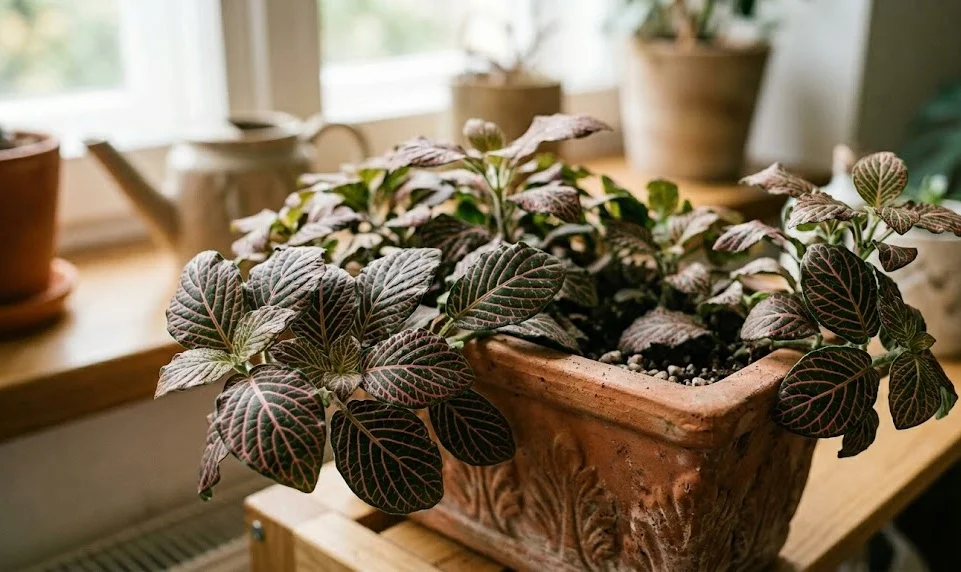

While the nerve plant is a relatively hardy indoor species, it is not entirely immune to the various pests and diseases that can affect household greenery. Understanding the early warning signs of an infestation or infection is the first step in protecting your collection from serious damage. Most issues arise when the plant is already under stress due to improper lighting, watering, or a lack of humidity in the environment. A healthy and vigorous plant is always much more capable of resisting these common problems than one that is struggling to survive.
Pests are often introduced to your home through new plants that have not been properly quarantined or checked before being added to your collection. You should always inspect any new purchase very carefully, paying close attention to the undersides of the leaves and the joints of the stems. If you notice anything unusual, it is best to keep the new plant in a separate room for a few weeks to ensure it is clean. This simple precaution can save you a lot of time and effort in dealing with a widespread pest problem later on.
Fungal and bacterial diseases are usually the result of excessive moisture or a lack of air circulation around the foliage of the plant. Because these plants love high humidity, it can be easy to accidentally create an environment that is also perfect for the growth of harmful pathogens. You must find the balance between keeping the air moist and ensuring that it does not become stagnant or overly wet. Proper spacing between your plants and regular ventilation in the room will go a long way in preventing these types of issues.
If you do find a problem, you should act quickly to isolate the affected plant and begin the appropriate treatment immediately. Many common pests and diseases can spread rapidly from one plant to another if they are left unchecked for even a few days. Using organic or gentle treatments is usually the best approach for the sensitive leaves of the nerve plant to avoid causing further chemical damage. With a proactive and informed strategy, you can successfully manage almost any health issue that your plant might encounter.
Common insect pests and their management
Aphids are one of the most common pests you might encounter, appearing as small, green or black insects that cluster on new growth. They feed on the sap of the plant, which can lead to distorted leaves and a general lack of vigor over time. You can often remove aphids by gently washing them off with a stream of lukewarm water or using a soft brush. For more persistent infestations, a diluted insecticidal soap or neem oil spray applied to all surfaces of the plant is usually very effective.
More articles on this topic
Mealybugs are another frequent visitor that can be identified by the white, cotton-like masses they produce on the stems and leaf nodes. These pests are quite good at hiding in small crevices, so you must be very thorough when inspecting your plant for their presence. You can treat mealybugs by dabbing them with a cotton swab dipped in rubbing alcohol, which kills them instantly on contact. If the infestation is widespread, you may need to repeat this process several times a week until no more signs of the pests remain.
Spider mites are perhaps the most difficult pest to spot because they are incredibly tiny and often hide on the undersides of the leaves. You might first notice their presence by the fine, silky webbing they leave behind or by the appearance of small, yellow speckles on the foliage. These pests thrive in dry environments, so increasing the humidity around your plant is a great way to discourage them from moving in. Regular misting and the use of neem oil can help to keep spider mite populations under control before they cause significant leaf drop.
Scale insects can also occasionally affect nerve plants, appearing as small, hard bumps on the stems that do not move when touched. These pests are protected by a waxy coating, which makes them more resistant to many traditional sprays and treatments. You can often remove them manually using a fingernail or a small tool, but you must be careful not to damage the plant’s delicate tissues. Applying a horticultural oil can help to smother the scales and prevent them from reproducing and spreading further.
Fungal issues and leaf spots
Leaf spot diseases are often caused by various types of fungi that thrive on wet leaves and in stagnant, humid air conditions. You will see these as brown or black spots with a yellow halo appearing on the colorful leaf surfaces, which can quickly grow and merge. To stop the spread, you should immediately remove any heavily infected leaves and ensure that you are not getting water on the foliage during your regular care. Improving air circulation around the plant is the most effective long-term solution for preventing the return of fungal leaf spots.
More articles on this topic
Powdery mildew is another fungal problem that looks like a dusting of white flour on the leaves and stems of the plant. While it is rarely fatal, it can significantly detract from the appearance of the plant and eventually weaken its overall health. You can treat powdery mildew by spraying the affected areas with a mixture of water and a small amount of baking soap or a dedicated fungicide. Keeping the plant in a spot with better air movement and avoiding overcrowding will help to keep this disease away.
Botrytis, or gray mold, can occur if the plant is kept in conditions that are both too cold and too wet for an extended period. This disease typically starts on old or dying plant parts and then spreads to the healthy tissues, causing them to turn soft and gray. You must be diligent about removing any dead leaves or flowers from the surface of the soil to prevent the mold from gaining a foothold. Adjusting your watering schedule and ensuring the environment is warm enough will usually stop the progression of gray mold.
Root rot is perhaps the most serious fungal issue because it happens out of sight beneath the surface of the potting soil. If the roots are constantly submerged in water, they will eventually succumb to various soil-borne fungi and begin to decay. You will notice the plant wilting despite the soil being wet, which is a clear sign that the roots are no longer functioning correctly. To save the plant, you must act quickly by repotting it into fresh soil and removing all of the diseased root material before it’s too late.
Identifying and treating environmental stress
Many of the symptoms that look like diseases are actually the result of environmental stress or incorrect care practices by the owner. For example, brown and crispy leaf edges are usually caused by a lack of humidity or exposure to dry air from a heater. This is not a disease that can be “cured” with a spray, but rather a signal that you need to adjust the environment around the plant. Placing the pot on a pebble tray or using a humidifier will usually prevent new growth from developing these unsightly brown margins.
Yellowing of the leaves can also be a sign of stress, often indicating that the plant is getting too much water or perhaps not enough light. If the yellowing starts at the base of the plant, it is more likely a watering issue, while general yellowing might suggest a nutrient deficiency. You should carefully review your care routine and make small adjustments to see how the plant responds over a few weeks. Understanding the difference between a pest problem and an environmental issue will save you a lot of frustration and unnecessary treatments.
If your plant suddenly drops a large number of leaves, it might be reacting to a sudden change in temperature or a cold draft. Nerve plants are very sensitive to “shocks,” and a sudden blast of cold air from an open window can cause them to shed foliage as a defense mechanism. In most cases, if you return the plant to a stable and warm environment, it will eventually recover and produce new growth. This type of reaction is often mistaken for a disease, but it is simply the plant’s way of dealing with an unfavorable situation.
Finally, bleached or faded leaf colors are almost always a sign that the plant is receiving too much direct sunlight. While they need light to maintain their patterns, the intense UV rays of the sun can damage the pigments in the leaves. You can easily fix this by moving the plant to a spot with bright but filtered light, such as behind a sheer curtain. You will notice that the new leaves will once again have the vibrant and deep colors that the nerve plant is famous for.
Organic and chemical treatment options
When it comes to treating your indoor plants, it is usually best to start with the most gentle and natural methods available. Neem oil is a fantastic all-purpose organic treatment that works against a wide variety of common pests and some fungal issues. It works by disrupting the life cycle of the insects and making the leaves less palatable to them over time. You should always test any spray on a small part of the plant first to make sure it does not cause any adverse reactions.
Insecticidal soaps are another great option for dealing with soft-bodied pests like aphids and mealybugs without using harsh chemicals. These soaps work on contact, so you must ensure that you are thoroughly coating all parts of the plant, including the undersides of the leaves. They are generally safe to use indoors and have a very low toxicity to humans and pets, making them ideal for home use. You may need to apply the soap several times over a few weeks to catch any new pests that hatch from eggs.
If you are dealing with a severe or persistent fungal problem, you might need to use a dedicated fungicide to save the plant. There are many copper-based or sulfur-based organic fungicides that are very effective against leaf spots and mildews when used correctly. Always follow the instructions on the label very carefully and ensure that the room is well-ventilated during and after the application. Using these tools as a last resort will help you maintain a healthy and safe indoor environment for everyone.
For persistent soil-borne issues or serious pest infestations, sometimes the best treatment is to simply start fresh with new soil and a clean pot. Removing the plant from its old environment and thoroughly washing the roots can help to eliminate many pests and pathogens that hide in the substrate. You should also disinfect the original pot with a mild bleach solution before using it again for any other plant. This thorough approach is often the most effective way to break the cycle of disease and ensure a healthy future for your plant.
Long term prevention and health monitoring
The best way to keep your nerve plant free of diseases and pests is to provide it with the highest possible quality of care. A plant that is receiving the right amount of light, water, and nutrients will naturally be much more resilient to any outside threats. You should make it a habit to inspect your plants regularly, perhaps during your weekly watering routine, to catch any issues early. The sooner you identify a problem, the easier it will be to treat and the less damage your plant will suffer.
Maintaining a clean growing area is also an essential part of preventing the spread of diseases and pests in your home collection. You should regularly remove any fallen leaves or spent flowers from the surface of the soil, as these can become breeding grounds for mold. Keeping your gardening tools clean and sterilized between uses will also prevent you from accidentally moving pathogens from one plant to another. A little bit of organized maintenance can go a long way in ensuring the health of all your indoor greenery.
Don’t forget to pay attention to the seasonal changes and how they might affect the vulnerability of your plants to different issues. For example, pests like spider mites are much more common in the winter when indoor air tends to be very dry. On the other hand, fungal issues might be more prevalent during the humid and warm days of summer if air circulation is poor. Adjusting your monitoring and prevention strategies based on the time of year will help you stay one step ahead of potential problems.
Finally, remember that gardening is a learning process, and even the most experienced growers occasionally deal with pests and diseases. Do not get discouraged if your plant becomes ill, but instead use it as an opportunity to learn more about its specific needs and vulnerabilities. With patience and the right information, you can overcome almost any challenge and keep your nerve plant looking beautiful for years to come. Your dedication to the health and well-being of your plants is what makes you a successful indoor gardener.