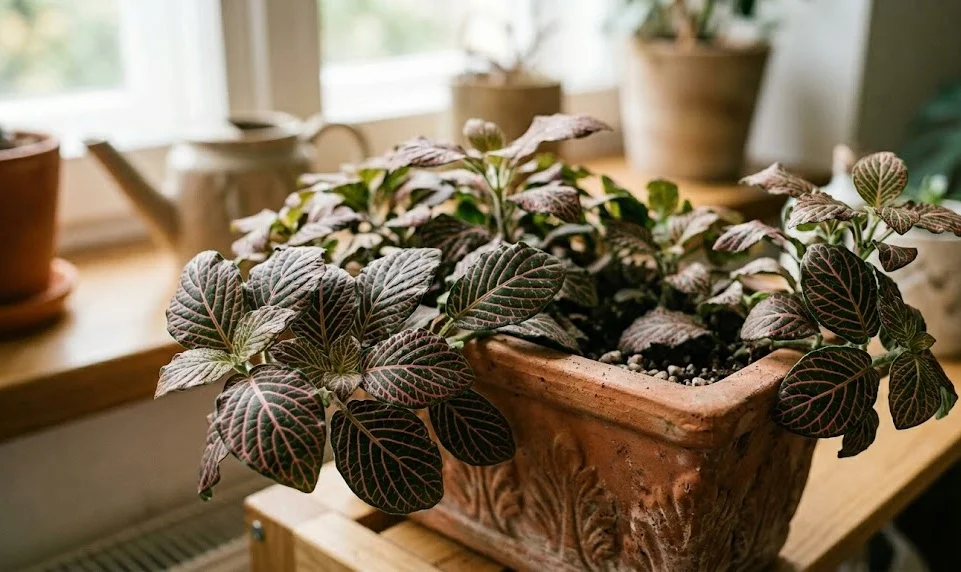

Maintaining a healthy and vibrant nerve plant requires a nuanced understanding of its tropical origins and specific environmental needs. These plants are famous for their intricate leaf patterns and striking vein colors which make them stand out in any indoor garden. However, their beauty comes with a reputation for being somewhat dramatic when their basic needs are not met promptly. Successful cultivation starts with recreating the humid and shaded atmosphere of a South American rainforest floor.
The primary challenge for most growers is managing the plant’s moisture levels without causing soil saturation or fungal issues. You must observe the leaves closely as they are excellent indicators of the plant’s overall health and hydration status. If the foliage begins to look slightly dull or limp, it is usually a sign that the humidity is dropping too low. Providing a stable environment is the most effective way to ensure the plant continues to produce its characteristic colorful venation.
Temperature stability plays a crucial role in the long-term success of these delicate indoor specimens. You should aim to keep the environment consistently warm, as sudden drops in temperature can cause the plant to shed its leaves. Ideally, the room temperature should stay within a range that feels comfortable to humans, avoiding any cold drafts from windows. If the plant is exposed to freezing temperatures even for a short time, the damage to the cellular structure can be irreversible.
Soil composition is another factor that directly impacts the vitality and growth rate of the nerve plant. A high-quality potting mix that retains moisture while allowing excess water to drain away is absolutely essential for root health. You can improve standard potting soil by adding peat moss or coco coir to increase its water-holding capacity without compacting the roots. Avoiding heavy, clay-based soils will prevent the common issue of root suffocation which often leads to plant death.
Humidity management for optimal growth
Creating a high-humidity microclimate is the secret to keeping your plant looking lush and healthy throughout the entire year. Many enthusiasts find that placing the pot on a tray filled with pebbles and water helps to raise the local moisture levels effectively. You might also consider grouping several plants together to create a collective transpiration effect that benefits all of them simultaneously. Regular misting can provide a temporary boost, but it is rarely enough to satisfy the plant’s constant need for moisture.
More articles on this topic
If you live in a particularly dry climate, using a dedicated humidifier in the room can make a significant difference in leaf quality. The absence of sufficient humidity often leads to crispy brown edges on the leaves which detracts from the plant’s aesthetic appeal. You should also keep the plant away from active heaters or air conditioning vents that tend to dry out the surrounding air rapidly. Many successful growers choose to keep these plants in bathrooms or kitchens where steam is naturally more prevalent.
Terrariums offer an excellent solution for those who struggle to maintain high humidity levels in an open room environment. Within a glass enclosure, the moisture is recycled, creating a self-sustaining ecosystem that mimics the plant’s natural habitat perfectly. This method significantly reduces the frequency of watering while protecting the delicate foliage from fluctuating air currents and household dust. You will notice that plants grown in terrariums often exhibit larger leaves and more intense coloration than those in open pots.
Monitoring the air quality and circulation is just as important as maintaining high humidity to prevent stagnant conditions. While moisture is vital, trapped air can lead to the development of mold or mildew on the surface of the colorful leaves. You should ensure there is gentle air movement in the room to keep the environment fresh without creating direct or drying drafts. Balancing these two factors requires a bit of experimentation but leads to a much more resilient and thriving indoor plant.
Understanding growth habits and structure
The natural growth habit of this species is low-growing and spreading, making it an ideal choice for ground cover in large indoor arrangements. Under the right conditions, the stems will creep along the surface of the soil and eventually hang over the edges of the container. You can encourage a fuller and more compact appearance by regularly pinching back the growing tips of the stems. This practice stimulates lateral branching, which results in a much denser and more attractive foliage display over time.
More articles on this topic
As the plant matures, the stems may become slightly woody at the base, which is a normal part of its aging process. You will find that the younger leaves often have the most vibrant colors, while older foliage might fade slightly as the plant focuses on new growth. Keeping the plant in a relatively small pot can help maintain its compact shape, as providing too much space often leads to leggy stems. Frequent observation will help you decide when it is time to intervene and shape the plant to your preference.
The root system of the nerve plant is relatively shallow and delicate, which means it does not require a very deep container to thrive. You should be careful when handling the plant during any maintenance tasks to avoid damaging these thin and fragile roots. Because the roots stay near the surface, they are particularly sensitive to both drying out and being buried in overly wet soil. Choosing a wide and shallow pot often provides the best balance for the plant’s natural architecture and growth patterns.
In many cases, the plant may produce small, inconspicuous flower spikes if it is extremely happy with its environment. While these flowers are not particularly ornamental, they indicate that the plant has reached a high level of maturity and health. Many growers prefer to remove these spikes as soon as they appear to redirect the plant’s energy back into the colorful foliage. Whether you keep the flowers or not, their appearance is a testament to your success in providing the ideal growing conditions.
Environmental stability and placement
Finding the perfect spot in your home is one of the most important steps in ensuring the long-term survival of your plant. You should look for a location that receives consistent, indirect light without being exposed to the harsh afternoon sun. Placing the plant near a north-facing window or slightly back from a brighter window usually provides the right intensity. Consistency is key here, as moving the plant frequently can cause stress and lead to a temporary halt in its growth.
Drafts are perhaps the most underestimated threat to the health of a nerve plant in a typical home setting. You must ensure that the pot is not located in the direct path of an exterior door or a frequently used hallway. Even a small amount of cold air during the winter months can cause the plant to collapse or drop its leaves in a matter of hours. Protecting the plant from these environmental fluctuations will result in a much more stable and predictable growth cycle.
The surface where you place the pot should also be considered, especially if it is a material that conducts heat or cold. Placing the plant on a cold stone windowsill or near a hot electronic device can negatively affect the temperature of the root zone. A wooden table or a dedicated plant stand provides a more neutral base that helps maintain a steady temperature for the soil. Small details like these often make the difference between a struggling plant and one that truly thrives in its space.
If you notice the plant leaning heavily towards one side, it is likely trying to reach for more light in its current position. You should rotate the pot a quarter turn every week to ensure that all sides of the foliage receive an equal amount of illumination. This simple habit prevents the plant from becoming lopsided and promotes a balanced, symmetrical shape that looks better from every angle. Regular rotation also ensures that the inner leaves do not get shaded out and die off prematurely.
Nutritional requirements and soil health
Fertilizing your plant correctly will help maintain the intensity of the leaf colors and support the production of new growth. You should use a balanced, water-soluble fertilizer at half the recommended strength to avoid burning the sensitive root system. During the active growing seasons of spring and summer, applying nutrients every four weeks is generally sufficient for most indoor specimens. Excessive fertilization can lead to a buildup of salts in the soil, which can eventually damage the delicate leaf tissues.
The health of the soil is directly linked to the plant’s ability to absorb water and nutrients effectively. Over time, the organic matter in the potting mix will break down and the soil may become compacted or lose its drainage properties. You can refresh the top layer of soil occasionally to provide a boost of fresh nutrients and improve the overall structure of the substrate. If the water starts to sit on top of the soil rather than soaking in, it is a clear sign that the soil needs attention.
During the winter months, you should significantly reduce or even stop the application of fertilizer altogether. The plant’s metabolic rate slows down during this period, and it cannot effectively utilize the additional nutrients provided by the fertilizer. Forcing growth during the dormant phase can lead to weak, spindly stems that are more susceptible to pests and diseases. Resuming the feeding schedule in early spring will provide the necessary energy for the plant to start its new growth cycle.
If you suspect a buildup of mineral salts from tap water or fertilizer, you should flush the soil with distilled water periodically. You can do this by pouring a large amount of water through the pot and allowing it to drain out completely from the bottom holes. This process helps to wash away any harmful residues that might be affecting the health of the roots or the appearance of the leaves. Maintaining a clean and healthy root environment is the foundation for a beautiful and long-lived nerve plant.
Long term maintenance and aesthetics
Keeping the leaves free of dust is an essential part of the plant’s maintenance routine that is often overlooked by many. Dust can clog the tiny pores on the leaf surface and prevent the plant from breathing and photosynthesizing efficiently. You can gently wipe the leaves with a soft, damp cloth or give the plant a light lukewarm shower once a month. This not only keeps the plant healthy but also ensures that the vibrant colors and intricate patterns remain clearly visible.
As your plant grows, you may notice that it eventually outgrows its original container or becomes too large for its space. You should assess the size of the plant annually and decide if it needs a larger pot or a significant pruning session. Repotting should generally be done in the spring to give the plant plenty of time to recover and establish itself in its new home. Keeping the plant in a container that is proportionate to its size will help manage moisture levels more effectively.
Developing a regular schedule for checking on your plant will help you catch any potential issues before they become serious problems. You should spend a few minutes each week inspecting the underside of the leaves and the base of the stems for any signs of trouble. This proactive approach allows you to adjust your care routine based on the plant’s immediate needs and the changing seasons. The more you interact with your plant, the better you will become at understanding its unique non-verbal cues.
Aesthetics are often the main reason people choose to grow these plants, so maintaining their visual appeal is a high priority. You should not be afraid to remove any leaves that have become damaged, yellowed, or simply old and unattractive. Removing these parts encourages the plant to focus its energy on producing fresh, vibrant foliage that looks much better. A well-maintained nerve plant is a stunning addition to any room and serves as a great conversation piece for guests.
Troubleshooting common care issues
One of the most dramatic sights for a nerve plant owner is seeing the entire plant completely collapsed and wilted. This is usually a sign of severe dehydration, and the plant is essentially “fainting” to protect itself from further water loss. If you catch it early and water the soil thoroughly, the plant will often bounce back to its original state within a few hours. However, repeated fainting spells will eventually weaken the plant and may lead to permanent damage or the loss of older leaves.
Yellowing leaves can be a sign of several different issues, but the most common cause is overwatering or poor soil drainage. When the roots are sitting in water for too long, they cannot breathe, and the plant begins to show signs of stress through its foliage. You should check the moisture level of the soil and ensure that the pot has functional drainage holes at the bottom. Adjusting your watering frequency to allow the top layer of soil to dry out slightly will usually resolve this problem.
If you notice the colors of the veins becoming dull or the leaves turning entirely green, the plant might be getting too much light. While these plants need brightness to maintain their patterns, direct sunlight can bleach the colors and even burn the delicate leaf tissue. You should try moving the plant to a slightly shadier spot to see if the vibrant colors return in the new growth. Finding the right balance of light is often a process of trial and error that depends on your specific home environment.
Finally, if the plant stops growing altogether despite having seemingly perfect conditions, it might be root-bound or in need of fresh soil. Check if the roots are circling the inside of the pot or growing out of the drainage holes at the bottom. Providing a slightly larger container and fresh potting mix will often stimulate a new flush of growth and revitalize a stagnant plant. Understanding these common issues will give you the confidence to care for your nerve plant successfully for many years to come.