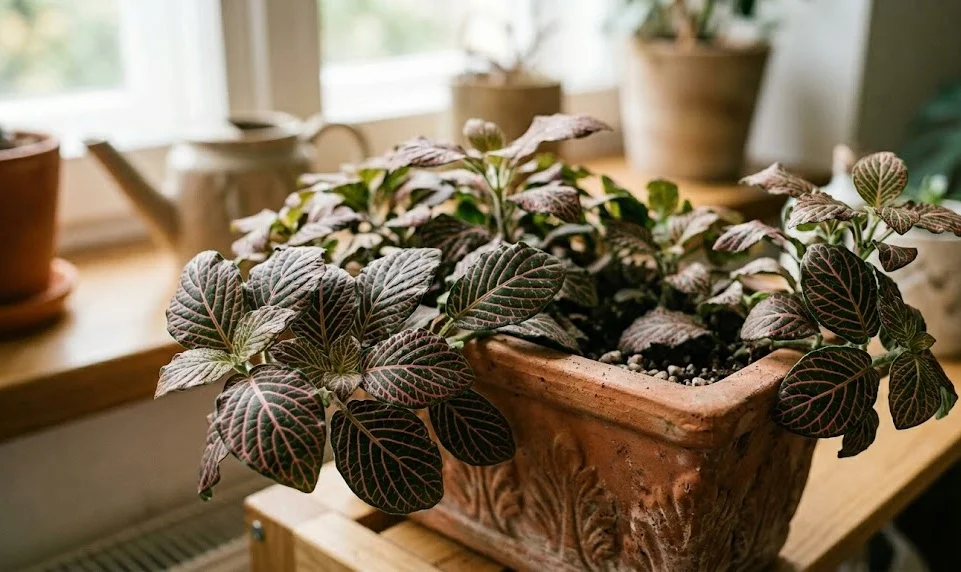

As the seasons transition and the outdoor temperatures begin to drop, your indoor nerve plant requires a shift in care to navigate the winter months successfully. These tropical natives are not accustomed to the shorter days and drier air that typically characterize the winter season in most homes. You must be prepared to adjust your routine to compensate for the lack of natural light and the effects of indoor heating systems. Providing a stable and supportive environment during this time is essential for the plant’s survival and its ability to flourish again in the spring.
One of the most significant challenges during the winter is the dramatic decrease in humidity caused by central heating units and fireplaces. The dry air can quickly sap moisture from the delicate leaves of the nerve plant, leading to crispy edges and a general loss of vitality. You should be proactive in increasing the local humidity around your plant using various methods such as pebble trays or humidifiers. Grouping your plants together can also create a small microclimate that helps to retain moisture more effectively during the driest months.
Temperature management is another critical factor to consider, as nerve plants are extremely sensitive to cold drafts and sudden drops in heat. You must ensure that your plant is not placed near any exterior doors, windows, or poorly insulated walls that might allow cold air to reach it. Even a brief exposure to temperatures below fifteen degrees Celsius can cause significant stress and potential leaf drop. Keeping the plant in a consistently warm room, away from both cold drafts and direct heat sources, is the best strategy for a safe winter.
Lighting also becomes a precious resource during the winter, with shorter days and often cloudier weather reducing the amount of energy the plant can produce. You may need to move your nerve plant to a brighter location, such as a south-facing window, to ensure it receives enough filtered light to maintain its health. Be careful, however, not to place it in direct sunlight which can still be quite strong on clear winter days. If natural light is insufficient, supplementing with a small LED grow light can provide the necessary spectrum for the plant to stay healthy.
Adjusting watering and feeding for dormancy
During the winter months, most indoor plants, including the nerve plant, enter a period of slower growth or semi-dormancy. This means that the plant’s water requirements will decrease significantly compared to the active growing season of spring and summer. You should always check the soil moisture level with your finger and only water when the top centimeter or two of the soil feels dry. Overwatering during the winter is a common mistake that can quickly lead to root rot because the soil takes much longer to dry out.
More articles on this topic
It is also important to use lukewarm or room-temperature water when you do need to hydrate your plant during the colder months. Cold water straight from the tap can shock the sensitive roots and cause the plant to react poorly, sometimes leading to leaf spots or wilting. Allowing your watering can to sit out overnight ensures that the water is the perfect temperature and also allows some of the chemicals to evaporate. This small detail can make a big difference in the comfort and health of your tropical plant throughout the winter.
Fertilization should be significantly reduced or stopped entirely during the winter period for most nerve plants. Since the plant is not actively producing much new growth, it cannot effectively use the extra nutrients provided by a fertilizer. Applying fertilizer during dormancy can lead to a buildup of salts in the soil that can damage the roots or cause weak, spindly growth. You can safely resume your regular feeding schedule in the early spring when you notice the first signs of new, vibrant leaves appearing.
Monitoring the plant’s reaction to your adjusted care routine is vital for catching any potential issues before they become serious. If you notice the leaves looking particularly limp or dull, it might be a sign that you need to increase the humidity or slightly adjust your watering. Every home environment is different, so what works for one person might need to be modified for another. Being observant and responsive to your plant’s needs will help you guide it safely through the challenges of the winter season.
Managing light and placement in the home
Finding the right spot for your nerve plant in the winter often involves a bit of trial and error as the sun’s position in the sky changes. You might find that the spot that was perfect in the summer is now too dark, requiring you to move the plant closer to a light source. A window that receives bright, indirect light for several hours a day is the ideal location for maintaining the vibrant vein colors. Just remember to keep a small distance between the foliage and the glass to avoid any cold transfers from the outside air.
More articles on this topic
If your home does not have a naturally bright spot during the winter, you should consider using artificial lighting to supplement the plant’s needs. Simple LED grow lights are very effective and energy-efficient, providing the right wavelengths of light without generating excessive heat. You can set the light on a timer to provide about eight to ten hours of illumination each day, mimicking a natural light cycle. This consistent light source will help prevent the plant from becoming leggy or losing its intricate leaf patterns during the dark months.
Avoid placing your nerve plant on top of or directly next to radiators, floor vents, or other active heat sources in your home. The intense and dry heat from these devices can cause the plant to dry out much faster than you might expect, leading to severe dehydration. A dedicated plant stand or a shelf that is away from direct air currents is a much safer choice for the winter. You want to provide a gentle, ambient warmth that stays within the comfortable range for tropical species throughout the day and night.
Finally, remember to rotate your plant every week or two to ensure that all sides receive an equal amount of the available light. In the winter, plants will often lean aggressively towards the nearest window in an attempt to capture as much light as possible. Regular rotation helps the plant maintain a balanced and symmetrical shape, preventing it from becoming lopsided and weak on one side. This simple habit keeps your nerve plant looking its best and ensures that all the leaves stay healthy and active.
Maintaining health and preventing winter pests
Winter can be a prime time for certain pests, such as spider mites, which thrive in the dry air common in many homes during this season. You should regularly inspect the undersides of the leaves and the stem joints for any signs of webbing or tiny moving dots. Keeping the humidity high is the best preventative measure against these pests, as they prefer dry and dusty conditions. If you do find pests, treat them immediately with a gentle insecticidal soap or neem oil spray to prevent a larger infestation.
Dust accumulation on the leaves is another common winter issue that can affect the plant’s ability to breathe and photosynthesize. Because windows are often closed and indoor air can be more stagnant, dust settles more quickly on the flat surfaces of the foliage. You should gently wipe the leaves with a soft, damp cloth every few weeks to keep them clean and looking their most vibrant. This not only improves the plant’s health but also allows you to enjoy the beautiful patterns on the leaves more clearly.
It is also a good idea to avoid any major repotting or significant pruning during the middle of the winter season. These activities can be stressful for the plant, and it will have a harder time recovering when its growth rate is naturally slower. Wait until the spring when the days are longer and the plant is starting to show new life before performing any major maintenance tasks. Patience is a key part of winter plant care, as you are essentially helping the plant “rest” until the next growing cycle begins.
As the winter draws to a close and you see the first signs of spring, you can gradually transition back to your regular care routine. Start by slowly increasing your watering frequency and reintroducing a diluted fertilizer once the plant shows active new growth. You might also move the plant back to its summer location if the light there becomes appropriate again. Successfully wintering your nerve plant is a rewarding experience that ensures you will have a beautiful and healthy specimen for another year of enjoyment.