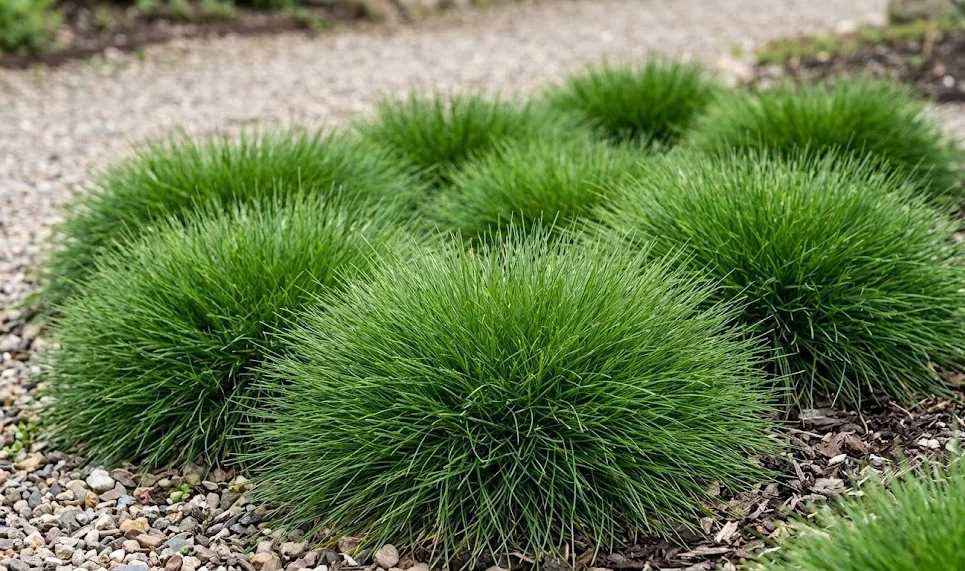

The nutritional and hydration needs of bearskin fescue are relatively modest, reflecting its natural adaptation to rocky, mountainous terrains. This evergreen grass prefers a “less is more” approach, where over-care can often be more damaging than slight neglect. To maintain the tight, green cushions that define this species, you must understand how to provide resources without over-stimulating the plant. Mastering the balance between watering and feeding is the key to a healthy and long-lived garden feature.
Watering bearskin fescue requires a strategic approach that prioritizes deep, infrequent hydration over frequent shallow sprinkles. When you water, the goal is to encourage the roots to grow deep into the soil where they can find moisture during dry spells. You should apply water directly to the base of the plant, avoiding the foliage as much as possible. This prevents moisture from being trapped in the dense needles, which can lead to fungal issues. During the cooler months, the natural rainfall is often sufficient for the plant’s needs.
The frequency of irrigation should be adjusted based on the age of the plant and the current weather conditions. Newly planted fescue needs more regular attention to ensure the root ball doesn’t dry out while it is settling in. However, once established, the plant is remarkably drought-tolerant and can survive periods of low rainfall with ease. During a typical summer, you might only need to water once every week or two, depending on your soil type. Always check the soil moisture by hand before deciding to add more water.
Drainage is the most important partner to watering when it comes to the health of this ornamental grass. Even if you water the correct amount, a lack of drainage can lead to disaster in the form of root rot. The soil must be porous enough to allow excess water to flow away from the root zone quickly. If you notice water pooling around the plant after a rainstorm, you may need to improve the soil structure or relocate the grass. A well-drained site allows you to water with confidence, knowing the plant won’t suffer from stagnation.
Optimal fertilization strategies
Fertilizing bearskin fescue is a task that should be approached with extreme caution and restraint. High-nitrogen fertilizers should be avoided, as they trigger rapid, lush growth that compromises the plant’s natural cushion shape. Instead, the goal is to provide a slow and steady supply of nutrients that supports the plant’s existing structure. Many professional gardeners find that a single application in the spring is all the plant ever needs. Using a product designed for slow-release is often the safest and most effective choice.
More articles on this topic
Organic options are generally preferred over synthetic chemicals for feeding these low-maintenance grasses. A thin layer of well-composted organic matter spread around the base of the plant in early spring works wonders. This not only provides nutrients but also improves the biological health of the soil over time. As the compost breaks down, it releases minerals in a way that the plant can easily absorb without the risk of “burning” the roots. This natural method aligns perfectly with the plant’s evolutionary history in lean soils.
The timing of your fertilization is just as important as the type of product you choose to use. You should only feed the plant during its active growing season, which is typically from early spring to early summer. Applying fertilizer in the late summer or autumn can be counterproductive and even dangerous for the plant’s health. This late feeding encourages new, soft growth that won’t have time to harden off before the first frost. By sticking to a spring schedule, you ensure the plant is strong and resilient for the entire year.
If your soil is already naturally rich in minerals, you might find that you don’t need to fertilize your bearskin fescue at all. In many garden settings, the nutrients present in the existing soil are more than enough to sustain this hardy species. You should look for signs of nutrient deficiency, such as significant yellowing or lack of growth, before deciding to feed. If the plant is green, dense, and healthy, it is best to leave it alone. Excessive feeding can lead to a shorter lifespan and a more “messy” appearance.
Signs of watering and feeding issues
Recognizing the symptoms of improper watering is vital for taking corrective action before permanent damage occurs. If the plant is receiving too much water, the center of the cushion may begin to turn yellow or brown and feel soft to the touch. This is a classic sign of root rot, often caused by poor drainage or over-enthusiastic irrigation. On the other hand, a dehydrated plant will have brittle, dry needles that may lose their vibrant green color. Both extremes are stressful for the plant and require a quick adjustment to your care routine.
More articles on this topic
Over-fertilization also presents specific visual cues that you should be trained to identify in your garden. The most common sign is a sudden “exploding” growth where the plant loses its tight, rounded shape and becomes floppy. You might also see salt buildup on the soil surface, which can damage the delicate root hairs and prevent water uptake. If you suspect you have over-fed the plant, you can try to flush the soil with plenty of clean water to leach out the excess salts. However, it is always better to prevent this issue by being conservative with your applications.
Nutrient deficiencies are less common but can occur in very sandy or depleted soils that lack organic matter. A lack of iron or magnesium can lead to chlorosis, where the leaves turn pale yellow while the veins remain green. This can be addressed with a targeted micro-nutrient spray or a specialized liquid fertilizer applied at half strength. However, you should always confirm the deficiency with a soil test before adding specific minerals. Taking a scientific approach prevents you from accidentally creating a different imbalance.
The overall texture of the plant is often the best indicator of its internal health and resource balance. A perfectly watered and fed bearskin fescue will feel firm and springy when you gently press on the cushion. If the plant feels hollow or collapses under slight pressure, there may be an underlying issue with the roots or the internal structure. Regular “touch tests” allow you to get a feel for the plant’s condition beyond just its visual appearance. Being in tune with your plants’ physical state is a hallmark of an expert gardener.
Soil quality and resource management
The relationship between soil quality and nutrient availability is a cornerstone of professional gardening. In well-structured soil, the plant can access water and minerals more efficiently, reducing the need for external inputs. You can improve poor soil by incorporating fine gravel or composted bark to create more pore space for air and water. This structural improvement is often more beneficial than any commercial fertilizer you could buy. A healthy soil environment is the best gift you can give to your bearskin fescue.
Monitoring the pH of your soil can also provide insights into why a plant might be struggling with nutrient uptake. While bearskin fescue is generally unfussy, a pH that is too high or too low can “lock” certain nutrients in the soil. You should aim for a range between 6.0 and 7.5 for the best results in most garden situations. If the pH is outside this range, you can use sulfur to lower it or lime to raise it, but do so gradually. Small adjustments over several months are much safer than trying to fix the soil overnight.
Water retention can be managed through the clever use of mulches and ground covers surrounding the grass. A layer of inorganic mulch, like crushed stone or pebbles, is excellent for keeping the root zone cool while allowing water to pass through. This type of mulch does not break down and rob the soil of nitrogen, which is a common problem with wood-based mulches. Using stone mulch also mimics the plant’s natural habitat, creating a visually pleasing and functional environment. This synergy between aesthetics and biology is the goal of high-end landscape design.
Finally, consider the environmental impact of your watering and fertilization practices on the broader ecosystem. Over-watering can lead to runoff that carries fertilizers and sediment into local waterways, which is harmful to the environment. By using a targeted approach like drip irrigation, you minimize waste and ensure the resources go exactly where they are needed. Choosing organic, slow-release fertilizers also reduces the risk of chemical leaching. Responsible gardening practices benefit your plants while also protecting the natural world around you.
Advanced irrigation and feeding techniques
For large-scale plantings or professional landscapes, automated irrigation systems can provide the consistency that bearskin fescue loves. A system equipped with a rain sensor ensures that the plants are only watered when nature hasn’t already provided enough moisture. This level of precision prevents the common mistake of “watering on a schedule” regardless of the actual weather. Smart controllers can even adjust the flow based on the evaporation rates for your specific location. These technological tools help maintain a perfect garden with less manual labor.
Liquid feeding can be a useful technique for providing a quick, controlled boost to plants that are recovering from stress. By diluting a balanced fertilizer to 25% of its recommended strength, you can apply it as a soil drench without overwhelming the plant. This method allows the nutrients to reach the roots immediately and is easily absorbed by the grass. It is particularly helpful for plants in containers or raised beds where nutrients may leach out more quickly. Always remember to water the plant with plain water before and after applying a liquid feed.
Foliar feeding is another advanced method that involves spraying a nutrient solution directly onto the leaves of the grass. While not usually necessary for bearskin fescue, it can be effective for correcting minor micro-nutrient deficiencies. The needles of the fescue have a small surface area, so the spray must be very fine to be effective. This should only be done in the early morning or late evening to prevent the sun from burning the damp foliage. Most home gardeners will find that soil-based feeding is more than sufficient for their needs.
Sustainable resource management also involves the collection and use of rainwater whenever possible. Rainwater is naturally soft and free of the chemicals often found in tap water, such as chlorine or fluoride. Many ornamental grasses respond better to the natural pH of rainwater, which is typically slightly acidic. Installing a rain barrel is a simple way to secure a high-quality water source for your garden. Using this resource is not only environmentally friendly but also beneficial for the health of your bearskin fescue cushions.