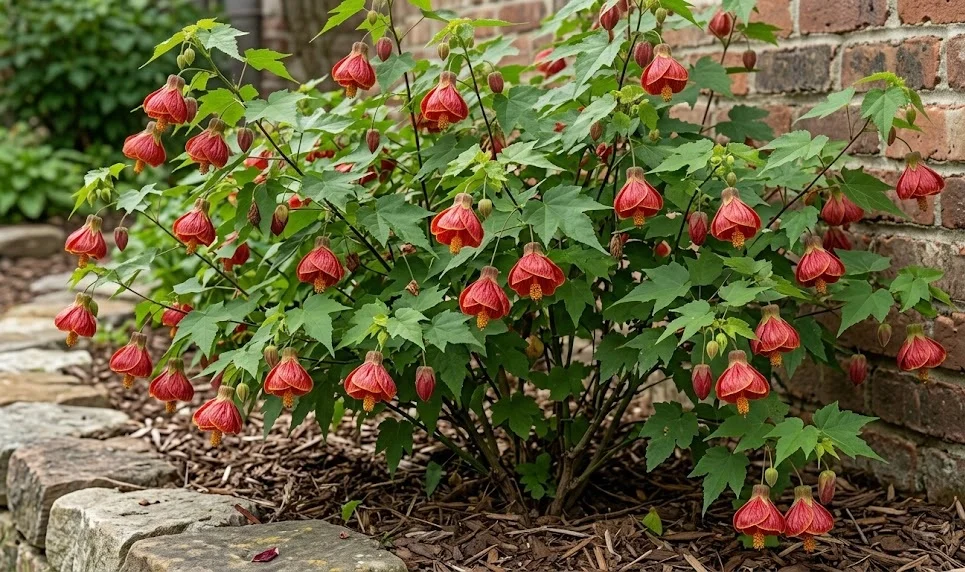

Mastering the hydration and nutritional needs of the garden flowering maple is essential for maintaining its lush canopy and continuous blooming cycle. These plants are native to regions where moisture is relatively consistent, and they have not evolved to handle extended periods of severe drought. At the same time, their root systems are sensitive to anaerobic conditions caused by overwatering, making the balance of soil moisture a delicate art. A thoughtful approach to feeding the plant further enhances its natural resilience and ensures that the floral display remains vibrant from spring through autumn.
Fundamental principles of hydration
The primary goal of watering is to maintain a consistent level of moisture throughout the root zone without ever allowing the soil to become waterlogged. During the peak of the summer growing season, the large surface area of the leaves leads to significant water loss through transpiration. This means you will likely need to check the soil moisture daily, especially for plants kept in containers or those in very sunny locations. A deep, thorough watering that reaches the entire root ball is much more effective than frequent, shallow sips that only wet the surface.
To determine when it is time to water, the most reliable method is the simple finger test: insert your finger about an inch or two into the soil. If the medium feels dry to the touch at that depth, it is time to provide a generous drink to the plant. If the soil still feels cool and moist, it is better to wait another day to avoid the risk of suffocating the roots with excess water. Over time, you will develop an intuitive sense of the plant’s needs based on the weather conditions and the visual appearance of the foliage.
The time of day when you choose to water can also have a significant impact on the health of your flowering maple. Watering in the early morning is widely considered the best practice, as it allows the plant to hydrate fully before the heat of the day arrives. It also ensures that any water that splashes onto the leaves has plenty of time to dry before evening, which significantly reduces the risk of fungal infections. If morning watering is not possible, late afternoon is the next best option, provided the foliage can dry before nightfall.
Environmental factors such as wind and humidity levels will also dictate how quickly the soil dries out and how much water the plant requires. On windy days, the drying effect on the leaves is much more pronounced, necessitating an earlier or more frequent watering schedule. Conversely, during periods of high humidity or overcast weather, the plant’s demand for water will naturally decrease as transpiration slows down. Being responsive to these changing conditions rather than sticking to a rigid calendar is the secret to successful long-term hydration management.
More articles on this topic
Identifying and managing moisture stress
The garden flowering maple is very communicative when it is not receiving the correct amount of water, often using its leaves to signal distress. Wilting is the most obvious sign of dehydration, where the leaves lose their turgidity and hang limply from the stems. If caught early, the plant will usually recover quickly once it is given a thorough watering, although repeated cycles of severe wilting can weaken the specimen over time. Chronic underwatering often leads to leaf drop and a significant reduction in the number of flowers the plant can support.
On the opposite end of the spectrum, overwatering can be even more dangerous because the symptoms often mimic those of drought. When the roots are deprived of oxygen due to saturated soil, they begin to die back, and the plant can no longer take up water effectively. This leads to yellowing leaves and a general lack of vigor that does not improve even when more water is added to the pot. If you suspect overwatering, it is vital to stop irrigating immediately and allow the soil to dry out significantly before the next application.
Water quality is another factor that can influence the health of the plant, especially for those in areas with very hard water or high chlorine levels. Accumulated salts from tap water can build up in the soil over time, leading to brown, crispy edges on the leaves, often referred to as leaf scorch. If possible, using rainwater or filtered water can prevent this buildup and keep the foliage looking its best. Occasionally flushing the soil with a large volume of water can also help wash away excess salts and refresh the root environment.
Mulching is a fantastic tool for managing soil moisture and protecting the roots from the stress of rapid drying. A layer of organic material such as wood chips or shredded bark helps to insulate the soil and reduce evaporation from the surface. This means you can often go longer between waterings, and the plant experiences a more stable and less stressful environment. Just be sure to keep the mulch a few inches away from the main trunk to prevent any issues with moisture being trapped against the bark.
More articles on this topic
Strategic fertilization for peak performance
To sustain its rapid growth and prolific flowering, the garden flowering maple requires a steady supply of essential nutrients throughout the active season. These plants are often referred to as “heavy feeders,” meaning they quickly deplete the available minerals in the soil, especially when grown in containers. A balanced fertilization program provides the building blocks for strong stems, healthy green leaves, and the pigments needed for vibrant blooms. Without supplemental feeding, the plant will gradually lose its vigor and its ornamental value will diminish as the season progresses.
When choosing a fertilizer, look for a product that has a balanced ratio of nitrogen, phosphorus, and potassium, often labeled as N-P-K on the packaging. Nitrogen is essential for the lush green growth of the foliage, while phosphorus is the key driver for flower and root development. Potassium helps the plant regulate its water use and improves overall disease resistance, making it more robust against environmental stressors. A well-rounded approach ensures that no single part of the plant’s development is neglected at the expense of another.
Slow-release granular fertilizers are an excellent choice for garden-grown plants, as they provide a steady trickle of nutrients over several months. These are typically applied in early spring as the new growth begins and again in mid-summer to sustain the plant through the peak of its flowering. For container plants, liquid fertilizers are often more effective because they deliver nutrients directly to the roots in a form that is immediately available. Applying a diluted liquid feed every two to three weeks during the growing season is a standard practice for maintaining top-tier specimens.
It is important to remember that more is not always better when it comes to fertilizing your flowering maple. Over-fertilization can lead to an accumulation of salts that damage the roots and cause unsightly “burn” on the leaves. It can also result in excessive, weak green growth that is more susceptible to pests and less likely to produce a good show of flowers. Always follow the manufacturer’s instructions and consider using a slightly lower dose than recommended if your plant is already growing vigorously in high-quality soil.
Tailoring nutrients to the life cycle
The nutritional needs of the plant change as it moves through its different stages of growth from spring to winter. In the early spring, a slightly higher nitrogen content can help the plant quickly build its canopy after the dormant period. This initial boost sets the stage for the rest of the year by creating a large surface area for energy production through photosynthesis. As the first flower buds begin to appear, shifting toward a formula with more phosphorus will encourage a more dramatic and long-lasting floral display.
During the height of summer, the focus should remain on maintaining a balanced supply of nutrients to support both the ongoing growth and the continuous blooming. This is the period of highest metabolic demand, and even a brief interruption in nutrient availability can lead to a noticeable drop in flower production. If you notice the leaves becoming pale or the flowers getting smaller, it may be a sign that the plant needs a more frequent feeding schedule. Regular observation allows you to adjust your approach based on the plant’s actual performance.
As the days begin to shorten in late summer and early autumn, it is time to start reducing the frequency and strength of your fertilization. The goal during this period is to allow the plant to naturally slow its growth and begin the process of hardening its tissues for the winter. Continuing to push for rapid green growth late in the season can result in soft stems that are easily damaged by the first frosts. By tapering off your feeding, you help the plant transition smoothly into its natural resting phase.
During the winter months, fertilization should be stopped completely, regardless of whether the plant is kept indoors or in a mild outdoor climate. The plant is not actively growing during this time and cannot use the additional nutrients, which would only lead to a dangerous buildup of salts in the soil. Resuming the feeding program in the spring, once the first signs of new green growth appear, completes the annual cycle. This rhythmic approach to nutrition ensures the plant remains healthy, productive, and resilient year after year.
Application techniques and water delivery
How you apply water and fertilizer is just as important as the products you choose to use. When watering, try to direct the flow toward the base of the plant rather than spraying the foliage directly. Wet leaves are much more prone to developing fungal issues like powdery mildew or rust, especially in humid conditions. Using a watering can with a long spout or a low-pressure hose allows you to deliver moisture exactly where it is needed—at the root zone.
When using liquid fertilizers, always ensure the soil is already slightly moist before applying the nutrient solution. Applying fertilizer to bone-dry soil can lead to root burn, as the concentrated minerals are absorbed too quickly by the thirsty plant. A good practice is to water the plant thoroughly with plain water first, then follow up with the fertilizer solution an hour or so later. This ensures the nutrients are distributed evenly throughout the potting mix and are safely absorbed by the roots.
For those with many plants, a simple drip irrigation system can be a lifesaver, providing a consistent and efficient way to manage hydration. These systems can be set on a timer to deliver a precise amount of water directly to each plant, reducing waste and saving time. Many systems can also be equipped with a fertilizer injector, allowing for a practice known as “fertigation,” where a very weak nutrient solution is delivered with every watering. This method mimics the natural way plants receive nutrients in the wild and often results in exceptionally healthy growth.
Finally, always keep an eye on the drainage of your pots or garden beds to ensure the water is moving through the soil correctly. If you notice water sitting on the surface for a long time, the soil may have become compacted or the drainage holes might be blocked. Taking the time to occasionally aerate the soil with a small tool or clear the drainage paths ensures your watering and feeding efforts are actually benefiting the plant. A well-functioning root environment is the foundation upon which all other care efforts are built.