
Developing a successful maintenance routine for the garden flowering maple requires a deep understanding of its Mediterranean-like preferences and growth patterns. This ornamental shrub is cherished for its delicate, lantern-shaped blooms and lush foliage, making it a centerpiece in many temperate gardens. To ensure the plant reaches its full aesthetic potential, one must balance environmental stability with consistent nutritional support throughout the growing season. Maintaining this balance is not merely about survival but about encouraging the vibrant floral displays that define the Cynthia Pike variety.
Establishing the ideal environment
Selecting the right location is the first and most critical step in ensuring your shrub thrives for years to come. These plants prefer a spot that offers a respite from the harshest afternoon rays while still providing ample ambient light for photosynthesis. Protection from strong winds is equally important, as the soft stems and large leaves can be easily damaged by mechanical stress. When the environment mimics a sheltered woodland edge, the plant responds with vigorous growth and a higher density of flower buds.
Soil composition plays a secondary but vital role in the long-term health of the root system and overall plant vigor. You should aim for a medium that is rich in organic matter, offering both excellent drainage and sufficient moisture retention to prevent root desiccation. Adding well-rotted compost or leaf mold into the planting hole creates a fertile base that supports the plant’s high energy demands. Avoiding heavy clay or purely sandy soils will prevent the common issues of waterlogging or rapid nutrient leaching that often plague these specimens.
Temperature stability is a factor that many gardeners overlook until the plant shows signs of physiological distress. While these hybrids are relatively adaptable, they perform best when daytime temperatures remain consistent and nighttime drops are not too drastic. In regions with fluctuating spring weather, providing a layer of mulch around the base can help regulate soil temperature and protect sensitive surface roots. This proactive approach minimizes the risk of leaf drop, which is a common reaction to sudden environmental shifts or cold drafts.
Air circulation is often the forgotten element of a healthy garden setup, yet it is essential for preventing stagnant conditions. High humidity without movement can lead to various fungal issues that diminish the plant’s ornamental value and structural integrity. Spacing your plants appropriately allows for natural breezes to dry the foliage quickly after rain or morning dew. This simple spatial consideration reduces the need for chemical interventions and promotes a much more resilient garden ecosystem.
More articles on this topic
Seasonal growth patterns and expectations
Understanding the natural rhythm of the garden flowering maple allows you to anticipate its needs before they become urgent. During the early spring, the plant focuses its energy on establishing a strong framework of stems and new, vibrant leaves. This is the period where you will notice the most rapid elongation, requiring frequent monitoring of its structural stability. As the days lengthen and the soil warms, the focus shifts toward reproductive growth, signaling the beginning of the blooming phase.
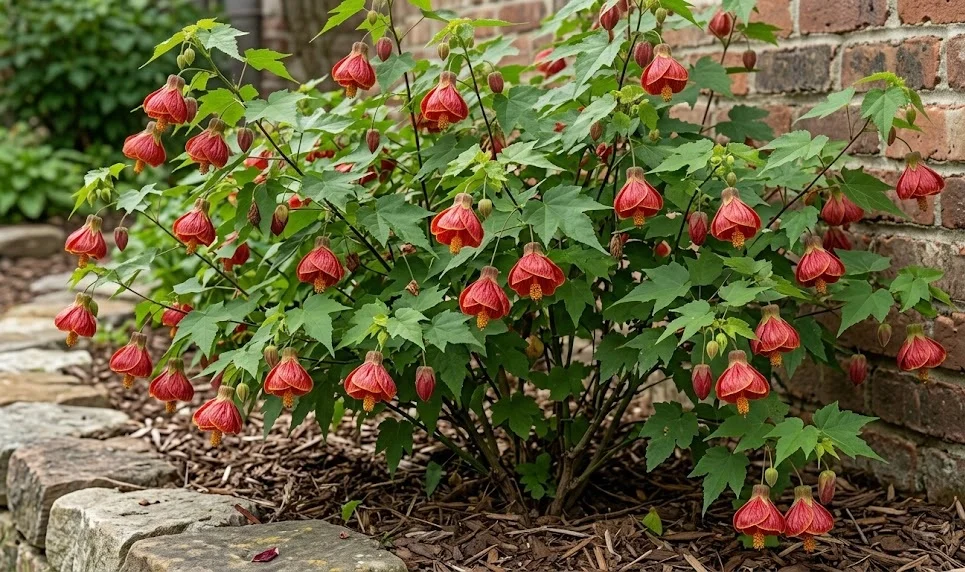
The peak flowering season typically occurs from mid-summer through the early autumn months, providing a long-lasting display of color. During this time, the plant’s metabolic rate is at its highest, necessitating a steady supply of both water and essential minerals. You will see the characteristic bell-shaped flowers hanging gracefully from the leaf axils, attracting various pollinators to your garden space. Observing the frequency and size of these blooms provides direct feedback on whether your current care regimen is meeting the plant’s needs.
As autumn approaches and the intensity of the sun wanes, the growth rate naturally begins to slow down in preparation for the cooler months. You may notice that the foliage becomes a slightly deeper green and the production of new flower buds gradually diminishes. This transition is a signal for the gardener to begin tapering off heavy interventions and allowing the plant to harden its tissues. It is a natural part of the life cycle that ensures the shrub remains robust enough to handle the upcoming dormant period.
Winter brings a complete cessation of active growth, especially in climates where the plant must be moved indoors or heavily protected. Even in mild regions, the shrub enters a state of rest where internal biological processes are minimized to conserve energy. During this time, the visual appearance of the plant may be less impressive, but the root system remains alive and functional at a lower capacity. Respecting this period of dormancy is vital for the longevity of the specimen, as it allows for a powerful resurgence once spring returns.
More articles on this topic
Monitoring foliage health and aesthetics
The leaves of the garden flowering maple act as a primary indicator of its internal health and environmental satisfaction. Healthy foliage should be a vibrant, uniform green with a soft, slightly velvet-like texture that is characteristic of the species. Any deviation from this appearance, such as yellowing or spotting, usually indicates a specific deficiency or environmental stressor that needs immediate attention. Regularly inspecting both the upper and lower surfaces of the leaves helps you catch potential issues before they spread to the rest of the plant.
Wilting is perhaps the most common visual cue that the plant is struggling with its current hydration levels. While it often points to a lack of water, it can also signify that the roots are overwhelmed by excess moisture and are unable to function. It is important to check the soil moisture levels manually before assuming that a drooping plant simply needs another drink. Learning to distinguish between heat-related temporary wilting and genuine water stress will save you from making detrimental care mistakes.
Discoloration patterns often tell a specific story about the nutrient balance within the soil or the quality of the water being used. Interveinal yellowing, for example, might suggest a lack of magnesium or iron, which are crucial for chlorophyll production. On the other hand, brown or “burnt” leaf edges could indicate an accumulation of salts from over-fertilization or poor water quality. By paying close attention to these subtle changes, you can fine-tune your approach and keep the foliage looking pristine throughout the year.
Physical damage to the leaves can occur from various sources, including heavy rain, hail, or even curious local wildlife. While a few torn leaves will not harm the overall health of a mature plant, extensive damage can reduce its ability to photosynthesize effectively. Pruning away severely damaged foliage not only improves the appearance of the shrub but also prevents pathogens from entering through open wounds. A clean, well-maintained canopy is much less likely to harbor hidden problems that could compromise the plant’s vigor.
Structural support and spatial management
As the garden flowering maple grows, its stems can become quite heavy, especially when laden with numerous bell-shaped flowers. Providing some form of structural support is often necessary to prevent the branches from drooping toward the ground or breaking during storms. A simple bamboo stake or a decorative trellis can offer the necessary stability without detracting from the plant’s natural beauty. Securing the stems loosely with soft ties ensures they have room to thicken as they age without being strangled.
Spatial management is about more than just aesthetics; it is about ensuring every part of the plant receives adequate light and air. In a crowded garden bed, the lower branches may lose their leaves due to excessive shading from neighboring plants. Periodically thinning out the center of the shrub can help maintain a balanced shape and encourage new growth from the base. This practice also makes it much easier to apply treatments or inspect the interior of the plant for pests.
The height and spread of your specimen should be managed according to the available space in your garden or container. If left completely unmanaged, some varieties can become leggy and sparse, losing the compact charm they had when first purchased. Regular tipping or pinching of the growing points encourages a more bushy and floriferous habit by stimulating lateral branching. Finding the right balance between natural form and controlled growth is a hallmark of an experienced and attentive gardener.
For those growing these plants in containers, the relationship between the root ball and the pot size is a critical factor. A pot that is too small will restrict growth and lead to rapid drying, while one that is too large can hold excess water and cause rot. Repotting every few years into a slightly larger vessel with fresh substrate ensures the roots always have room to expand. This process also provides an opportunity to inspect the root system for health and to refresh the nutrient levels in the potting mix.
Understanding the flowering mechanism
The flowering process is the most rewarding aspect of caring for this plant, but it is also one of the most energy-intensive. Each bloom develops from a tiny bud in the leaf axil, requiring a consistent supply of carbohydrates and minerals to reach full size. Factors such as light intensity, temperature, and phosphorus availability all play a role in how many buds the plant produces. If you notice a sudden drop in flower production, it is often a sign that one of these fundamental needs is not being met.
Each individual flower has a limited lifespan, and as it fades, it will eventually fall off naturally or begin to form a seed pod. Many gardeners choose to remove these spent blooms, a practice known as deadheading, to prevent the plant from wasting energy on seed production. This redirecting of resources often results in a more prolonged flowering season and a tidier appearance for the shrub. While not strictly necessary for the plant’s survival, it is a highly effective way to maximize the visual impact of the garden.
The color intensity of the blooms can sometimes fluctuate depending on the environmental conditions and the specific minerals present in the soil. Cooler temperatures often lead to deeper, more saturated colors, while extreme heat can cause the petals to appear slightly washed out. Similarly, a well-balanced fertilization program ensures that the pigments are vivid and the structural integrity of the flower is maintained. Understanding these variables allows you to manage your expectations and appreciate the subtle changes throughout the season.
Pollinators play a quiet but significant role in the lifecycle of the garden flowering maple, even if you are not interested in harvesting seeds. Bees and hummingbirds are frequently drawn to the nectar-rich flowers, adding a dynamic layer of life to your garden space. Avoiding the use of harsh systemic pesticides during the blooming period protects these beneficial visitors and ensures a healthy local ecosystem. Observing the interaction between your plant and the local fauna is one of the simple joys of maintaining such a beautiful species.
Pot culture versus open ground planting
Deciding whether to keep your plant in a container or plant it directly into the soil depends largely on your local climate and garden goals. Container growth offers the advantage of mobility, allowing you to move the plant to the best light or protect it from sudden frosts. However, plants in pots require much more frequent attention to watering and fertilization, as they have a limited volume of soil to draw from. If you choose this method, ensure the container has large drainage holes to prevent any risk of water sitting around the roots.
Planting in the open ground allows the root system to expand much more freely, often resulting in a larger and more resilient specimen. In areas with mild winters, this is often the preferred method as it creates a permanent structural element in the landscape. The soil in the ground tends to be more buffered against temperature changes and moisture fluctuations compared to the soil in a pot. However, you must ensure the chosen spot is perfectly suited to the plant’s needs, as moving it later can be a stressful process for a mature shrub.
For those in colder regions, a “best of both worlds” approach can be used by sinking a plastic pot into the ground during the summer. This gives the appearance of a permanent planting while making it easy to lift and move the plant indoors when the temperatures drop in autumn. This technique requires careful monitoring to ensure the roots do not grow through the drainage holes and become anchored in the surrounding soil. It is a practical solution for gardeners who want the aesthetic of a lush bed without the risk of losing the plant to winter.
Regardless of the method chosen, the transition period after planting or repotting is a time of high vulnerability. The plant needs a few weeks to establish its roots in the new substrate and overcome the shock of being moved. During this time, providing extra shade and keeping the soil consistently moist but not wet will help the specimen settle in quickly. Patience during this phase is rewarded with a strong, healthy plant that is ready to begin its next cycle of growth and flowering.
Long-term health and sustainability
Maintaining the health of a garden flowering maple over several years requires a commitment to consistent and sustainable gardening practices. Instead of relying on quick-fix chemical solutions, focus on building a healthy soil ecosystem that supports natural plant defenses. Incorporating organic matter, using slow-release fertilizers, and encouraging beneficial insects all contribute to a more stable environment. This long-term perspective reduces the stress on the plant and makes it much easier to manage in the long run.
Regular observation is your most powerful tool for ensuring the plant remains healthy and productive for many seasons. By spending a few minutes each week checking the foliage, stems, and soil, you can identify potential problems in their earliest stages. This proactive approach is much more effective than trying to rescue a plant that has been suffering from neglect for a long period. Developing a “gardener’s eye” for the subtle needs of your plants is a skill that pays dividends across your entire landscape.
Diversity in the garden can also support the health of your flowering maple by preventing the buildup of specific pests and diseases. Planting a variety of species around your shrub creates a more complex environment that is less attractive to harmful organisms. It also provides a more varied habitat for predators that keep pest populations in check naturally. A balanced garden is a resilient garden, where the individual plants support each other through their various ecological roles.
Ultimately, the goal of caring for this beautiful species is to enjoy its unique presence and the elegance it brings to your outdoor space. While the technical details of soil, water, and light are important, they are all means to an end. Taking the time to simply sit and appreciate the delicate blooms and the lush greenery is what makes gardening a truly rewarding endeavor. With the right care and a little bit of attention, your garden flowering maple will be a source of beauty and pride for many years.