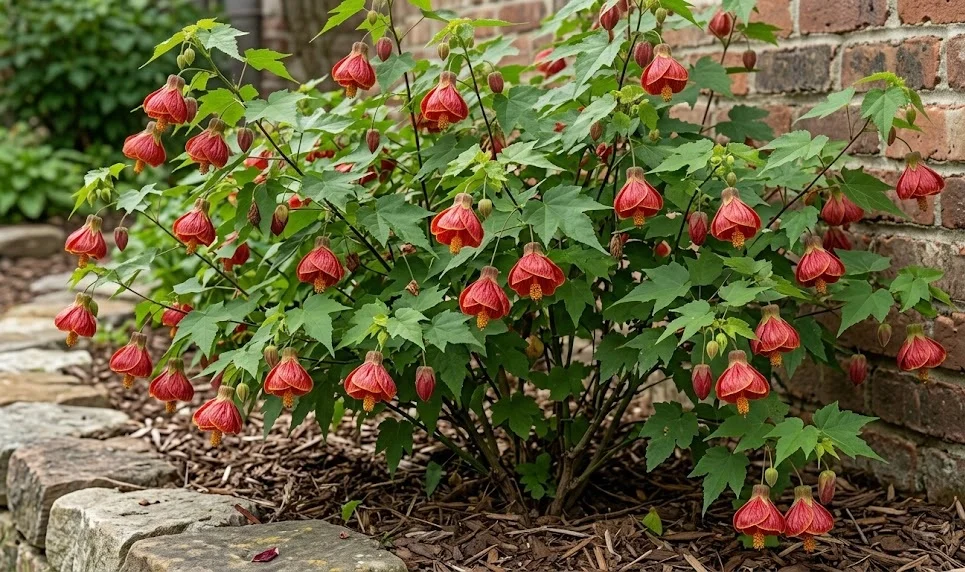

The transition into the dormant season is a critical period for the garden flowering maple, especially in regions where frost is a regular occurrence. While some hybrids offer a degree of resilience, the Cynthia Pike variety generally requires specific interventions to survive the harsh conditions of winter. Successfully overwintering these plants involves a shift from active growth management to a focus on preservation and protection of the core structure. By preparing the plant properly and providing the right winter environment, you can ensure it emerges in the spring ready for another season of spectacular displays.
Preparing for the transition
As the days begin to shorten and the temperatures drop in the late autumn, the first step is to signal to the plant that it is time to slow down. This is achieved by gradually reducing the amount of water and completely stopping the application of any fertilizers that would encourage new, soft growth. You want the existing stems to “harden off” or become more woody and resilient before the first real cold snap arrives. This natural maturation process is essential for the plant’s ability to withstand the stresses of the dormant period.
A thorough inspection of the plant’s health is also necessary before it is moved into winter storage or wrapped for protection. Check carefully for any signs of pests or diseases, as these problems can quickly escalate in the confined, often stagnant air of an indoor wintering area. It is much easier to treat a small aphid population or a touch of mildew now than it is to deal with a full-blown infestation in the middle of January. Pruning away any dead or damaged wood at this stage also helps tidy up the specimen and reduces the risk of fungal infections during the winter.
For plants that are staying outdoors in milder climates, applying a thick layer of organic mulch around the root zone provides a vital layer of insulation. This mulch helps to keep the soil temperature more stable and prevents the cycle of freezing and thawing that can heave plants out of the ground or damage sensitive roots. Use materials like straw, shredded bark, or dry leaves, taking care to keep the mulch from directly touching the main stem to avoid rot. This simple task can make the difference between a plant that survives a cold snap and one that does not.
If you plan to move your plants indoors, decide on the location well in advance to ensure it meets the plant’s reduced but still present needs. A cool, bright room such as an unheated sunroom or a well-lit garage is often ideal, as it keeps the plant in a state of semi-dormancy without exposing it to freezing temperatures. Avoid placing the plant near heat sources or in drafty areas, as these fluctuations can cause significant stress and lead to extensive leaf drop. Having a clear plan for where each plant will go will make the moving process much smoother and less stressful for both you and the shrub.
More articles on this topic
Indoor maintenance during dormancy
Once the plant is moved indoors, its water requirements will drop significantly compared to its active summer growing phase. The goal during the winter is to keep the root ball from drying out completely without ever allowing the soil to become saturated. You should only water when the top few inches of soil feel dry to the touch, and even then, provide only enough to moisten the medium. Overwatering during the dormant period is one of the most common causes of plant loss, as the roots are much more prone to rotting in cool, damp conditions.
Light remains an important factor, even during the winter months, to help the plant maintain its basic biological functions. Place your flowering maple in the brightest spot available, ideally near a south-facing window where it can receive several hours of indirect sunlight. If your indoor space is particularly dark, you might consider using a simple grow light for a few hours a day to prevent the plant from becoming excessively weak or leggy. While it doesn’t need the intense light of summer, some illumination is necessary for the specimen to remain healthy until spring.
Air circulation is often a challenge in indoor environments, where the air can become stagnant and conducive to fungal issues or pest outbreaks. Occasionally opening a window on a mild day or using a small fan to keep the air moving can help maintain a healthier environment for your plants. Be sure to keep an eye out for common indoor pests like spider mites or whiteflies, which can thrive in the dry air of a heated home. A light misting of the leaves can help increase humidity slightly and discourage these pests from taking up residence.
The visual appearance of the plant during the winter may not be particularly impressive, and some degree of leaf loss is perfectly normal. Do not be tempted to fertilize or prune the plant heavily during this time, as any new growth produced in low light will be weak and unattractive. Instead, simply remove any yellowed or fallen leaves to keep the area clean and reduce the risk of disease. Patience is the key during this phase, as you are simply waiting for the natural cues that will eventually trigger the plant’s return to active growth.
More articles on this topic
Protecting plants in the ground
For those in climates where the flowering maple can remain in the ground, providing physical protection during the coldest weeks is a necessary precaution. A simple framework of stakes covered with horticultural fleece or burlap can create a protective microclimate that shields the plant from freezing winds and heavy snow. It is important to ensure that the covering does not directly touch the foliage, as this can lead to moisture buildup and subsequent rot. This “tent” should be ventilated on warmer days to prevent heat from building up and prematurely waking the plant from dormancy.
In the event of an exceptionally severe frost, you can provide extra insulation by filling the protective enclosure with dry leaves or straw. This extra layer acts as a thermal blanket, trapping the ground’s natural warmth around the base and lower stems of the shrub. Just remember to remove this extra material as soon as the extreme cold passes to allow for proper air circulation. Protecting the main structural stems is the priority, as even if the outer tips are damaged by frost, a healthy core will allow the plant to recover in the spring.
Monitoring the soil moisture for outdoor plants is still important, especially during long periods of dry winter weather. If the ground is not frozen, a light watering every few weeks can help prevent the root system from becoming dangerously dehydrated. This is particularly relevant for plants in sandy soils or those in spots that are sheltered from natural rainfall. A well-hydrated plant is much more resilient to cold stress than one that is struggling with drought at the same time.
As winter draws to a close, resist the urge to remove the protective coverings too early, as late spring frosts can be particularly damaging to newly emerging buds. Gradually open the coverings during the day to acclimate the plant to the outdoor air, then close them again at night if cold temperatures are predicted. This careful transition period helps the plant safely bridge the gap between winter dormancy and the beginning of the new growing season. Once the danger of frost has truly passed, the coverings can be removed completely, and the plant can be tidied up for spring.
Returning to growth in the spring
The arrival of spring is marked by the first signs of new green growth and an increase in the plant’s demand for resources. This is the time to gradually increase your watering frequency as the plant’s metabolic rate begins to rise with the warming soil and longer days. You can also start to introduce a very dilute fertilizer to provide the necessary nutrients for the upcoming burst of growth. Be careful not to rush this process, as a sudden surge of water and food can be a shock to a plant that has been resting for months.
Pruning is an essential task as the plant wakes up, allowing you to remove any tips that were damaged by the winter cold. Cut back to healthy, green wood just above a leaf node to encourage strong new branching and a more compact shape. This is also a good time to perform any structural pruning to maintain the desired size and form of the shrub. Removing the dead material not only improves the look of the plant but also prevents pathogens from entering the healthy tissues.
If your plant spent the winter indoors, the process of “hardening off” is vital before it is moved permanently back to the garden. Start by placing the pot in a sheltered, shady spot outdoors for a few hours each day, gradually increasing the exposure to wind and direct sun over two weeks. This slow transition allows the leaves to toughen up and adapt to the much more intense outdoor environment. Skipping this step often results in severe leaf burn and a significant setback for the plant’s development.
Once the plant is fully reacclimated and the weather is consistently warm, you can resume your regular summer care routine. The effort you put into careful overwintering will be rewarded with a robust, healthy specimen that is ready to bloom even more spectacularly than the year before. Each successful winter survival strengthens the plant and builds your expertise as a gardener capable of managing complex ornamental species. The cycle of rest and growth is a fundamental part of the journey with the garden flowering maple.