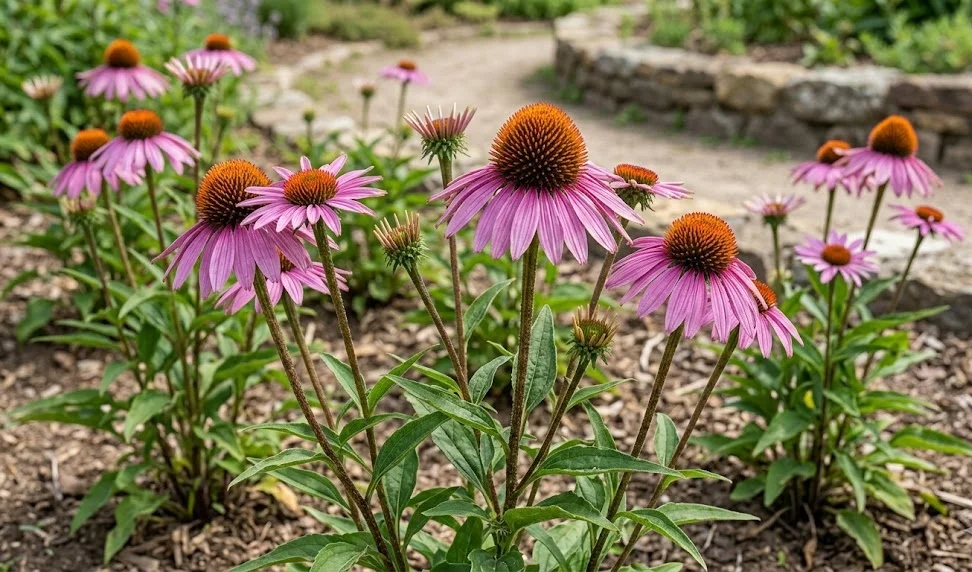

Mastering the balance of hydration and nutrition is essential for producing the most spectacular displays of these prairie favorites. While the species is celebrated for its ability to withstand dry conditions, strategic watering can significantly enhance the quantity and size of its blooms. Similarly, a professional approach to fertilization ensures that the soil remains fertile enough to support vigorous growth without causing environmental harm. This article explores the nuances of maintaining optimal moisture and nutrient levels for your purple coneflowers throughout the growing season.
Fundamental irrigation practices
Establishing a consistent watering routine is most critical during the first year after planting when the root system is still developing. New transplants require more frequent attention to ensure the soil around their root ball does not become bone dry. A deep watering twice a week is generally more effective than a light daily sprinkling, as it encourages roots to grow deeper into the soil. Once the plants have established a deep taproot, they become much more resilient to the fluctuations of natural rainfall.
The best time to water your garden is in the early morning hours before the sun reaches its full intensity. Morning irrigation allows the water to soak deep into the earth while giving the foliage time to dry off before evening. Wet leaves during the night can create an environment that is highly conducive to the development of fungal diseases like powdery mildew. If morning watering is not possible, the late afternoon is a secondary option, provided the leaves can dry before sunset.
Targeting the base of the plant rather than spraying from overhead is a professional technique that maximizes water efficiency. Using a soaker hose or a drip irrigation system delivers moisture directly to the root zone where it is needed most. This method reduces water loss through evaporation and keeps the flowers and leaves dry, which preserves their appearance. It also prevents the soil from splashing up onto the lower leaves, which can sometimes spread soil-borne pathogens.
More articles on this topic
Adjusting your watering frequency based on the soil type is necessary to prevent both drought stress and waterlogging. Sandy soils drain very quickly and may require more frequent applications of water during the height of a summer heatwave. Conversely, clay soils hold onto moisture for a much longer period and can easily become saturated if watered too often. Understanding how your specific garden soil holds water will help you fine-tune your irrigation schedule for the best possible plant health.
Monitoring moisture levels in the soil
Determining when to water should be based on a physical check of the soil rather than a rigid calendar schedule. Insert your finger or a wooden dowel several inches into the earth to feel for moisture beneath the surface. If the soil feels dry at a depth of two inches, it is time to provide a thorough soaking for your plants. This hands-on approach prevents the common mistake of overwatering plants that still have adequate moisture at the root level.
Environmental factors like wind and humidity also play a significant role in how quickly the ground dries out. Hot, windy days can strip moisture from the soil and leaves much faster than a calm, humid afternoon would. During these periods of high transpiration, you may need to increase your monitoring to ensure the plants do not begin to wilt. Wilting is a clear sign of stress, and while the plants usually recover, frequent wilting can weaken the overall structure and bloom quality.
More articles on this topic
The use of organic mulch is one of the most effective ways to stabilize soil moisture and reduce the need for frequent irrigation. A layer of shredded bark or leaf mold acts as an insulating blanket that slows the evaporation of water from the soil surface. This layer also keeps the roots cooler during the peak of summer, which reduces the overall water demand of the plant. Maintaining a consistent mulch layer is a professional standard that pays dividends in both plant health and water conservation.
Rain gauges are simple yet invaluable tools for tracking how much natural moisture your garden is actually receiving each week. Most established perennials thrive with about one inch of water per week, whether it comes from the sky or the hose. By knowing exactly how much rain has fallen, you can avoid unnecessary supplemental watering and save resources. This data-driven approach to gardening ensures that your plants get exactly what they need without the guesswork.
Nutrient requirements and fertilizer types
These perennials are not heavy feeders and can actually suffer if they are given too much concentrated chemical fertilizer. In many cases, a healthy application of organic compost in the spring is all the nutrition the plants will need for the entire year. Compost improves the soil structure and provides a slow-release source of nutrients that mimics the natural decay of a prairie. This gentle approach supports long-term soil health and encourages a more robust and natural growth habit.
If your soil is particularly poor or sandy, a balanced, slow-release granular fertilizer can be used to supplement the natural nutrients. Look for a product with a balanced ratio, such as a 10-10-10 formula, to support roots, foliage, and flowers equally. Avoid high-nitrogen fertilizers, as they often promote excessive leaf growth at the expense of the beautiful flowers you desire. Granular fertilizers should be lightly worked into the top inch of soil and then watered in thoroughly to activate the nutrients.
Liquid fertilizers are another option, though they are generally used more sparingly for established garden plants. They provide a quick boost of nutrients that can be helpful if a plant is showing signs of a specific deficiency. However, the effects of liquid feeds are short-lived, and they must be reapplied more frequently than granular or organic options. For the professional gardener, liquid fertilizers are best reserved for container-grown specimens or for starting young seedlings.
Natural amendments like bone meal or seaweed extract can also be used to target specific developmental stages of the plant. Bone meal is rich in phosphorus, which is essential for strong root development and the production of large, vibrant flower heads. Seaweed extracts provide a wide range of micronutrients and hormones that can help the plant better manage environmental stress. Integrating these natural products into your fertilization plan creates a more holistic and sustainable garden environment.
Timing of fertilization for maximum impact
The most effective time to apply nutrients is in the early spring as the first signs of green growth appear. This timing ensures that the nutrients are available in the soil just as the plant’s demand for energy begins to surge. Fertilizing at the start of the season supports the development of strong stems that will eventually bear the weight of the summer blooms. This early boost sets the foundation for a productive year and helps the plant recover from its winter dormancy.
A secondary, lighter application of compost or fertilizer can be beneficial in mid-summer if the plants are blooming heavily. This mid-season “snack” helps sustain the energy levels required for a long flowering period that can last into the autumn. However, care should be taken not to overdo it, as excessive nutrients during the heat of summer can stress the plant. Always ensure the soil is moist before applying any fertilizer to prevent burning the sensitive feeder roots near the surface.
Avoid fertilizing your coneflowers in the late summer or early autumn as the plants are preparing to enter dormancy. Applying nutrients late in the season can stimulate new, tender growth that will not have time to harden off before the first frost. This late-season growth is highly susceptible to winter damage and can drain the plant’s stored energy reserves. Professional gardeners stop all fertilization efforts by late August to allow the plants to naturally wind down for the year.
The frequency of fertilization should also be adjusted based on the age and size of the individual plants in your garden. Younger plants that are still expanding their footprint may benefit from more regular nutrient support than older, established clumps. Mature plants with deep root systems are often very efficient at scavenging for nutrients already present in the deep soil layers. Observing the vigor and color of the foliage is the best way to determine if a specific plant needs an extra boost.
Signs of overwatering and nutrient toxicity
Being able to identify the symptoms of excess is just as important as knowing when the plants are hungry or thirsty. Overwatering often manifests as a general yellowing of the leaves and a softening of the stems at the base of the plant. If the soil remains saturated for too long, the roots can begin to rot, preventing the plant from taking up any water at all. This paradox can cause the plant to look wilted even when the ground is soaking wet, leading to further watering mistakes.
Nutrient toxicity, particularly from too much nitrogen, results in lush, dark green foliage but very few actual flowers. The stems may become weak and floppy, unable to support the weight of the plant even without the burden of heavy blooms. This imbalance makes the plant more attractive to pests like aphids, which prefer the succulent growth produced by excess fertilizer. If you notice these signs, it is best to stop all fertilization and allow the soil to return to a more natural balance.
Salt buildup in the soil can occur if synthetic fertilizers are used repeatedly without adequate leaching from rainfall or irrigation. This often shows up as brown, crispy edges on the leaves, a condition known as marginal scorch. If you suspect a salt buildup, flushing the soil with large amounts of clean water can help wash away the excess minerals. Transitioning to organic fertilizers can prevent this issue from occurring in the future while improving the overall biology of the soil.
Correcting these issues requires patience and a willingness to step back and let the plant recover on its own. If overwatering has occurred, allow the soil to dry out completely before providing any additional moisture to the area. For nutrient imbalances, adding a layer of plain organic mulch can help buffer the soil and slow down the uptake of excess minerals. A professional gardener knows that sometimes the best care involves doing less and allowing the natural resilience of the plant to take over.