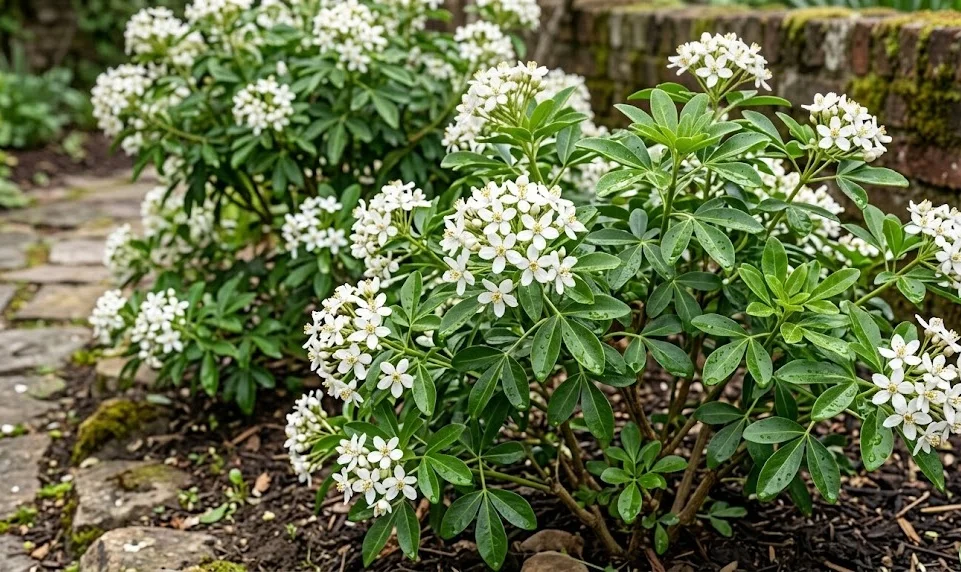

Hydration and nutrition are the two pillars of professional plant care that dictate the vitality of your garden. The Mexican orange blossom requires a thoughtful approach to both watering and fertilization to maintain its lush appearance. While it is a hardy plant, neglect in these areas can lead to sparse foliage and a lack of flowers. This article explains how to manage these critical resources to keep your shrubs in peak condition throughout the year.
Understanding the natural habitat of a plant can give you valuable clues about its water requirements. The Mexican orange blossom is adapted to regions where it experiences distinct wet and dry periods. In a garden setting, this means you should aim for a balance that avoids both waterlogging and total desiccation. Observing the weather and the condition of the soil is the best way to determine when to reach for the hose.
Watering is not just about the amount of liquid you provide, but also about the timing and method of application. You should always aim to water the base of the plant rather than wetting the foliage excessively. Wet leaves can encourage the growth of fungi and bacteria, especially in humid or stagnant conditions. Morning is the ideal time for irrigation, as it allows any accidental moisture on the leaves to dry quickly.
Fertilization provides the essential building blocks that the plant uses to create new cells and energy. A well-fed shrub will have a deeper green color and a much more impressive display of white flowers. However, over-fertilizing can be just as damaging as under-feeding, as it can lead to salt buildup in the soil. Finding the right frequency and type of nutrient boost is a skill that comes with experience and observation.
Effective watering techniques
The depth of your watering is more important than the frequency when it comes to establishing a resilient root system. You should aim to soak the ground thoroughly so that moisture reaches the deeper layers of the soil profile. Shallow watering encourages the roots to stay near the surface, where they are more vulnerable to heat and drought. A deep soak once or twice a week is usually better than a light sprinkling every single day.
More articles on this topic
Soil type will significantly influence how often you need to provide extra hydration to your plants. Sandy soils drain quickly and will require more frequent attention during the hot summer months. In contrast, clay soils hold onto moisture much longer and can become dangerously swampy if you are not careful. Always check the moisture level a few inches below the surface before you decide to add more water.
Young plants have much smaller root systems and will naturally need more frequent watering than established ones. You must monitor them closely during their first two growing seasons to ensure they never dry out completely. Once the shrub has a large and deep root network, it becomes much more tolerant of short periods of drought. Even then, a supplemental drink during a heatwave will help maintain the plant’s aesthetic quality and health.
Automated irrigation systems can be a great help, but they should never completely replace manual inspection. You should regularly check that the emitters are working correctly and that the soil is receiving uniform coverage. Sometimes a change in wind direction or a clogged nozzle can leave one side of a plant completely dry. A hands-on approach ensures that your Mexican orange blossom gets exactly what it needs to thrive.
Nutrient requirements
Nitrogen is the primary nutrient responsible for the lush, green leaf growth that makes this shrub so attractive. You should look for a balanced fertilizer that provides a steady supply of nitrogen throughout the growing season. If the leaves start to look pale or yellowish, it may be a sign that the plant is struggling to find enough nitrogen. However, too much of this mineral can lead to excessive soft growth that is more prone to pest damage.
More articles on this topic
Phosphorus and potassium are equally important for the development of strong roots and vibrant flowers. These elements help the plant regulate its internal processes and improve its overall resistance to environmental stress. A fertilizer with a slightly higher middle number can be beneficial just before the flowering season begins. This targeted approach ensures that the shrub has the energy required to produce its signature fragrant blossoms.
Organic options like compost tea or seaweed extracts are excellent for providing a wide range of micronutrients. These natural boosters improve the overall health of the soil biology while feeding the plant at the same time. Many professional gardeners prefer organic methods because they are gentler and less likely to cause nutrient imbalances. Integrating both slow-release granules and liquid feeds can provide a comprehensive nutritional strategy for your garden.
The timing of your fertilizer applications should align with the plant’s natural growth cycles for maximum effect. Early spring is the best time for the first major feeding as the shrub wakes up from its winter dormancy. You can follow this with a lighter application in early summer after the first flush of flowers has faded. Avoid fertilizing late in the autumn, as this can encourage new growth that will be damaged by the winter frost.
Signs of water stress
Wilting is the most obvious sign that a plant is struggling with a lack of available moisture in the soil. You will notice the soft tips of the branches drooping and the leaves losing their characteristic turgidity. If you see these signs, you should provide a deep and immediate watering to help the plant recover. However, be aware that over-watered plants can also wilt if their roots are rotting and unable to function.
Leaf scorch often appears as brown, crispy edges on the foliage during periods of intense heat and low humidity. This happens when the plant is losing water through its leaves faster than the roots can replace it. Providing some temporary shade and increasing the humidity around the plant can help alleviate this specific type of stress. Ensuring that the plant is well-mulched will also help keep the root zone cool and moist.
A sudden and unexplained drop of healthy-looking leaves can sometimes be a reaction to inconsistent watering practices. If the soil is allowed to go from bone-dry to soaking wet repeatedly, the plant may respond by shedding foliage. Maintaining a more stable moisture level will help prevent these dramatic physiological responses from occurring. Consistency is the key to keeping your Mexican orange blossom looking its best throughout the entire year.
Stunted growth and a lack of flowering can also be long-term indicators of chronic water or nutrient stress. If your shrub is not putting on new wood or producing blossoms, it is time to re-evaluate your care routine. Sometimes a simple change in how you water or what you feed can make a massive difference in performance. Observation is your most valuable tool for identifying and correcting these subtle signs of distress.
Managing soil drainage
Poor drainage is a common issue that can lead to root rot and the eventual death of your Mexican orange blossom. If water stands on the surface for more than an hour after rain, your soil may be too compacted or heavy. You can improve this situation by incorporating grit, perlite, or organic matter into the planting area. For existing plants, carefully aerating the soil with a garden fork can help improve oxygen and water penetration.
Raised beds are an excellent solution for gardeners dealing with heavy clay or high water tables. By lifting the plant above the natural ground level, you ensure that the roots stay out of the saturated zone. This method also allows you to fill the bed with a custom soil mix that is perfectly suited to the shrub’s needs. It is a more labor-intensive approach but offers the best chance of success in difficult soil conditions.
The slope of your garden can also play a role in how water moves through the landscape and affects your plants. Shrubbery planted at the bottom of a hill may receive too much runoff, while those at the top might dry out too quickly. You can use landscape features like swales or small berms to redirect water more effectively around your garden. Understanding the topography of your site is essential for professional-grade water management.
Mulch plays a vital role in drainage management by preventing the soil surface from becoming capped or crusty. A crusty surface prevents water from soaking in and causes it to run off to other areas where it isn’t needed. By keeping the soil surface open and porous, mulch ensures that every drop of water reaches the root system. This simple layer of organic material is one of the most effective tools for managing soil moisture.
Seasonal adjustment of care
During the peak of summer, you may need to water your Mexican orange blossom several times a week. The combination of high temperatures and long days increases the plant’s rate of transpiration significantly. Check the soil moisture daily if you are experiencing a heatwave to prevent any lasting damage to the foliage. Adjusting your routine based on the actual weather rather than a fixed schedule is the sign of an expert.
In the winter, the plant’s water needs drop significantly as its metabolic rate slows down during dormancy. However, you should still check the soil occasionally, especially if there has been no rain for several weeks. Evergreen plants continue to lose some moisture through their leaves even in the cold, a process known as winter desiccation. A light watering on a day when the ground is not frozen can be very beneficial for their survival.
Spring is the time to ramp up both watering and fertilization as the plant enters its most active growth phase. The energy required to produce new leaves and flowers is immense, and the plant needs a steady supply of resources. This is also the best time to check your irrigation system and make any necessary repairs before the summer heat arrives. Being prepared for the growing season ensures that your garden remains healthy and vibrant.
Autumn care focuses on preparing the plant for the upcoming winter by ensuring it is well-hydrated but not over-fed. You should gradually reduce the frequency of watering as the days get shorter and the temperatures begin to drop. This transition helps the plant harden off its new growth and prepare for the colder months ahead. Proper autumn management is the foundation for a successful overwintering process for your Mexican orange blossom.