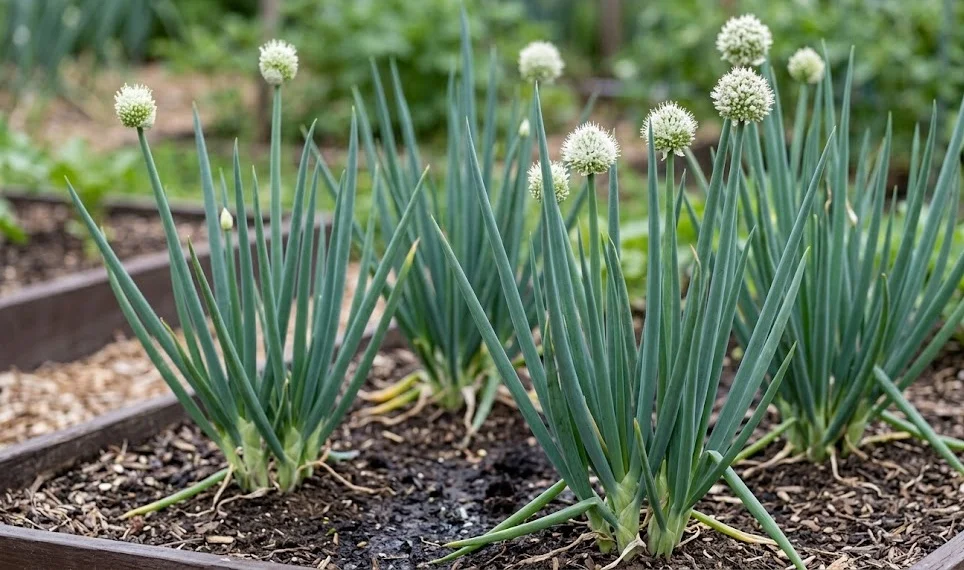

Effective hydration and nutrient management are the twin pillars of a successful winter bunching onion crop. While these plants are known for their hardiness, they require a consistent supply of water and food to produce the lush, green stalks that characterize high-quality produce. Managing these inputs requires a nuanced understanding of the plant’s growth cycles and the specific demands of the local climate. A professional irrigation and fertilization strategy minimizes stress and maximizes the overall vigor of the garden.
Watering should be approached with the goal of maintaining steady soil moisture without causing waterlogging. Onions have relatively shallow root systems, which makes them sensitive to drying out in the top layers of the soil. During periods of active growth, the soil should feel moist to the depth of at least five to ten centimeters. Using a soaker hose or drip irrigation is often the best method because it delivers water directly to the roots.
The timing of irrigation is just as important as the volume of water applied to the plants. Watering in the early morning allows the foliage to dry quickly, which helps prevent the development of fungal diseases. If the plants are watered late in the evening, moisture can sit on the leaves overnight, creating an ideal environment for pathogens. Consistency is key, as fluctuating moisture levels can cause the bulbs to split or the stalks to become tough.
In the winter months, the water requirements of the bunching onion decrease significantly as growth slows down. However, it is a common mistake to stop watering altogether during a dry winter spell. If the ground is not frozen, a light watering during a warm afternoon can prevent the roots from desiccating. Monitoring the weather forecast allows a gardener to adjust the irrigation schedule to match the natural precipitation levels.
Nutritional requirements and fertilization
Winter bunching onions are heavy feeders that respond well to a balanced program of organic and mineral fertilizers. Nitrogen is the most critical nutrient for leaf production, providing the energy needed for rapid cellular division. However, an excess of nitrogen late in the season can lead to soft growth that is easily damaged by frost. It is better to provide smaller, frequent doses rather than one large application that might leach away.
More articles on this topic
Phosphorus and potassium are also essential for the overall health and structural integrity of the onion. Phosphorus supports strong root development, which is vital for the plant’s ability to survive the winter and bounce back in the spring. Potassium helps regulate water movement within the plant and thickens the cell walls, making them more resistant to pests and cold. A high-quality, balanced fertilizer ensures that all these needs are met simultaneously.
Applying fertilizer should be done carefully to avoid direct contact with the delicate stems or leaves of the onion. Side-dressing the rows with compost or granular fertilizer is a professional technique that allows nutrients to wash down to the roots gradually. Incorporating the fertilizer into the top few centimeters of soil prevents it from being washed away by heavy rains. Always follow fertilization with a thorough watering to help the nutrients move into the root zone.
Organic options such as fish emulsion, seaweed extract, or well-composted manure are excellent choices for long-term soil health. These materials provide a wide range of micronutrients and improve the biological activity of the soil. Many growers prefer these natural products because they release nutrients slowly and are less likely to cause salt buildup. A healthy soil ecosystem is the best defense against nutrient deficiencies and environmental stress.
Managing water stress and drought
Detecting the early signs of water stress is a vital skill for any professional gardener or agriculturist. When onions are thirsty, their leaves may take on a dull, grayish-green tint and start to wilt at the tips. If the soil becomes too dry, the plant may enter a premature dormancy or even bolt, producing unwanted flower stalks. Regular observation allows for quick intervention before the quality of the crop is permanently affected.
More articles on this topic
Drought management strategies often involve the use of mulches to conserve existing soil moisture. Materials like straw, shredded leaves, or wood chips act as a physical barrier against evaporation from the sun and wind. Mulching also keeps the soil temperature cooler during heatwaves, which reduces the overall stress on the onion’s root system. A well-mulched bed can survive much longer between waterings than one with bare soil.
In areas with limited water resources, selecting drought-tolerant varieties or improving soil organic matter is essential. Soils high in humus can hold several times their weight in water, providing a reservoir for the plants during dry periods. Adding organic matter is a long-term investment that pays off in reduced irrigation costs and healthier plants. Efficient water use is a hallmark of modern, sustainable agricultural practices.
Overwatering can be just as damaging as a lack of water, leading to oxygen-deprived soil and root rot. If the leaves of your bunching onions start to turn yellow and the stems feel mushy at the base, you may be providing too much moisture. Improving drainage through the use of raised beds or adding grit to heavy soil can help mitigate this risk. Balancing the water needs of the plant requires constant attention to the weather and soil conditions.
Seasonal fertilization strategies
The fertilization schedule should be tailored to the specific needs of the winter bunching onion throughout the year. In early spring, a nitrogen-heavy boost helps the plants recover from winter and start producing new green leaves. This is the time when the plant’s metabolic rate increases and the demand for nutrients is at its highest. A liquid fertilizer can provide immediate results during this phase of rapid expansion.
During the summer months, the focus should shift to maintaining steady growth without over-stimulating the plant. If the weather is extremely hot, it is often best to withhold heavy fertilization until the temperatures begin to cool. Applying fertilizer during a heatwave can sometimes cause salt burn on the roots if the soil is dry. A light application of compost tea can provide a gentle source of nutrients during the mid-season.
In autumn, the goal is to prepare the plants for the coming cold by strengthening their root systems and cell walls. Reducing the amount of nitrogen and increasing potassium helps the plant store energy in its base. This transition phase is critical for ensuring that the onions have enough reserves to survive the dormant period. A final top-dressing of compost in late fall provides a slow-release source of food for the early spring.
Winter fertilization is generally unnecessary and can even be detrimental if it encourages new growth during a freeze. The plants should be allowed to rest and focus their energy on survival rather than expansion. Once the soil begins to warm in late winter, you can start preparing for the next cycle of growth. Understanding these seasonal rhythms is the key to maintaining a productive and healthy onion bed year-round.
Monitoring and adjusting the program
A professional approach to gardening involves regular testing and monitoring to ensure the fertilization program is working correctly. Soil tests should be conducted every two to three years to check for nutrient imbalances or changes in pH. These tests provide an objective baseline that takes the guesswork out of choosing the right fertilizer products. Without data, it is easy to over-apply certain minerals while ignoring others that might be deficient.
Visual inspections of the crop can often reveal specific nutrient issues before they become widespread. For example, a lack of magnesium might show up as yellowing between the veins of the leaves, while a calcium deficiency can cause distorted growth. Learning to read these signs is a valuable part of a gardener’s expertise and allows for targeted interventions. A quick response to these cues can save a crop and improve the final harvest quality.
Record-keeping is an essential part of managing the watering and fertilization of any agricultural crop. Documenting the types of fertilizer used, the dates of application, and the amount of water provided helps identify what works best. Over time, these records allow you to refine your techniques and adapt to the specific conditions of your garden. Success is often the result of many small adjustments made over several growing seasons.
Finally, always be prepared to adapt your plan based on unexpected weather patterns or environmental changes. A particularly wet spring may require less irrigation but more frequent fertilization as nutrients are washed through the soil. Conversely, a very dry autumn might necessitate extra watering to ensure the plants are hydrated before the ground freezes. Flexibility and observation are the true marks of a professional in the field of horticulture.