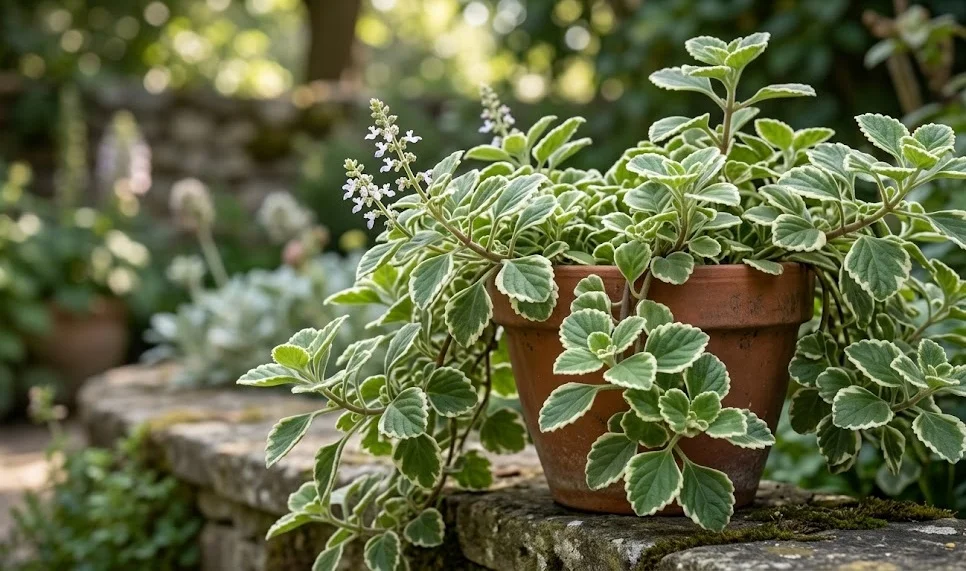

The health of your plants depends heavily on the delicate balance of moisture and nutrients you provide. You should learn to observe the specific needs of your Swedish ivy as they change with the environment. Proper hydration is more than just pouring water into a pot; it is an art of timing and technique. A well-fed and correctly watered plant will reward you with lush, vibrant foliage and strong stems.
Understanding the moisture requirements of the soil is the first step toward a successful watering routine. You should always check the top inch of the soil with your finger before adding any water to the pot. If the soil feels dry to the touch, it is usually the right time to provide a thorough drink. Overwatering is a common mistake that can lead to many health issues for this particular species.
When you water, you should ensure that the liquid reaches the entire root zone of the plant. Pour the water slowly until you see it beginning to drain out of the bottom holes of the container. This ensures that the deep roots are not left in dry pockets of soil while the surface stays wet. Always discard any excess water that collects in the saucer to prevent the roots from sitting in stagnant liquid.
The quality of the water you use can also have an impact on the long-term health of the plant. You should use water that is at room temperature to avoid shocking the sensitive root system of the plant. If your tap water is very hard, consider letting it sit overnight or using filtered water instead. This practice helps to dissipate some of the chemicals that might be present in municipal water supplies.
Seasonal watering patterns
The amount of water your plant needs will fluctuate significantly between the hot summer months and the cold winter. You should increase the frequency of watering when the air is warm and the plant is actively growing. During heatwaves, the soil can dry out very quickly, requiring daily checks to keep the plant hydrated. Providing a consistent supply of moisture during the peak season supports the rapid production of leaves.
More articles on this topic
As autumn approaches and the days grow shorter, the metabolic rate of the plant will naturally begin to slow down. You should gradually reduce the amount of water you provide as the plant enters its resting phase. The soil will take much longer to dry out when the temperatures are cooler and the light is less intense. Monitoring the soil moisture becomes even more critical during this transition to avoid the risk of root rot.
In the winter, the plant requires very little water compared to its summer needs, as it is largely dormant. You should only water enough to prevent the soil from drying out completely and the roots from shriveling. Many indoor plants suffer during the winter because they are watered as if it were still the middle of summer. Adjusting your habits to match the seasonal rhythm is a hallmark of an expert gardener.
When spring arrives, you should slowly ramp up the watering as you see the first signs of new growth. You should pay attention to the increasing light levels and how they affect the evaporation rate in your home. This is the time to transition back to a more regular and frequent hydration schedule for the plant. A well-timed increase in moisture will help the plant kickstart its new growing cycle with vigor.
Nutrients for vibrant growth
Feeding your plant the right nutrients is essential for maintaining the striking variegation and lushness of the leaves. You should use a high-quality liquid fertilizer that is specifically formulated for foliage-heavy indoor or garden plants. Nitrogen is the primary nutrient that supports the growth of healthy green stems and broad leaf surfaces. However, a balanced formula including phosphorus and potassium is better for the overall structural integrity of the plant.
More articles on this topic
The frequency of fertilization should be carefully managed to avoid the buildup of excess salts in the soil. You should generally apply fertilizer once every two to four weeks during the active growing season. Always follow the instructions on the product label to ensure you are providing the correct concentration for your plant. Applying fertilizer to dry soil can sometimes burn the roots, so it is best to water the plant first.
During the dormant winter months, you should stop fertilizing the plant entirely to give it a proper rest. You should not try to force growth during the low-light season by adding more nutrients to the soil. The plant cannot effectively use the fertilizer when its metabolism is slow, which can lead to soil toxicity. Resuming your feeding schedule in the early spring will provide the most benefit to the plant.
Organic options like compost tea or seaweed extracts can also be used to provide a gentle boost of minerals. You should consider these alternatives if you prefer a more natural approach to caring for your Swedish ivy. These organic fertilizers often improve the soil structure in addition to providing essential nutrients for the plant. Rotating between different types of fertilizer can ensure a wide spectrum of micronutrients is available.
Signs of overwatering and underwatering
Identifying the physical symptoms of incorrect watering will help you save a plant before permanent damage occurs. You should look for yellowing leaves or a general wilting appearance as a primary sign of overwatering. If the stems feel soft or mushy at the base, the roots may already be suffering from a lack of oxygen. In such cases, you must stop watering immediately and allow the soil to dry out completely.
Underwatering, on the other hand, usually manifests as brittle, dry leaves and a drooping growth habit. You should notice that the leaves lose their shine and the edges may begin to turn brown and crispy. The soil will often pull away from the edges of the pot when it becomes extremely dry and dehydrated. A quick soak in a basin of water can often revive a plant that has been neglected for too long.
Consistency is much more important than the actual volume of water you provide during each session. You should try to avoid the cycle of letting the plant dry out completely and then flooding it with water. This “drought and flood” cycle causes significant stress to the plant’s tissues and can lead to leaf drop. Aim for a steady level of moisture that mimics the natural environment of the species.
Monitoring the weight of the pot is a simple and effective trick for determining the moisture content of the soil. You should get used to how heavy the container feels right after a deep watering session. When the pot feels significantly lighter, it is usually a good indication that the moisture has been used up. This tactile method is often more accurate than just looking at the surface of the soil.
Advanced fertilization techniques
For the most dedicated gardeners, fine-tuning the nutrient delivery can result in truly exceptional plant specimens. You should consider using a slow-release fertilizer at the beginning of the spring season for a steady supply of food. These granules break down over several months, providing a constant low level of nutrition without much effort. This method is particularly useful for hanging baskets that are difficult to reach for regular feeding.
Foliar feeding is another technique where you spray a diluted nutrient solution directly onto the leaves of the plant. You should perform this in the early morning so the leaves have time to dry before the sun gets too strong. The plant can absorb certain minerals much faster through its foliage than through the root system. This can be a great way to quickly correct a minor nutrient deficiency seen in the leaves.
Flushing the soil with clear water every few months is a good practice to prevent the accumulation of fertilizer salts. You should pour several gallons of water through the pot to wash away any residual chemicals from the soil. This process helps maintain a healthy pH balance and keeps the roots from becoming chemically burned over time. It is a simple maintenance task that significantly extends the lifespan of your potted plants.
Ultimately, the goal is to create a feeding and watering schedule that fits your personal lifestyle and the plant’s needs. You should remember that every home environment is different, so what works for one person might not work for another. Experimenting slightly with your routine will help you find the “sweet spot” for your specific location. A thriving Swedish ivy is the best indicator that you have mastered the art of watering and fertilization.