
Understanding the light needs of your perennials is one of the most important factors in determining their placement and overall health within the garden. This species is famous for its versatility, but its performance and the color of its foliage are deeply influenced by the quality and duration of the sun it receives. You should aim to find the “sweet spot” where the plant gets enough energy to grow without being overwhelmed by the intensity of the midday sun. A professional eye for light and shadow will help you create a display that is both vibrant and sustainable over the long term.
Light is the primary fuel for all plants, and how a specimen interacts with it will dictate its shape, size, and flowering potential. You will notice that in too much shade, the plants may become leggy and lose some of the intensity in their leaf colors. Conversely, too much direct sun can lead to scorched edges and a generally stressed appearance, especially in hotter climates. Finding the right balance is a dynamic process that involves observing the plant throughout the day and as the seasons change.
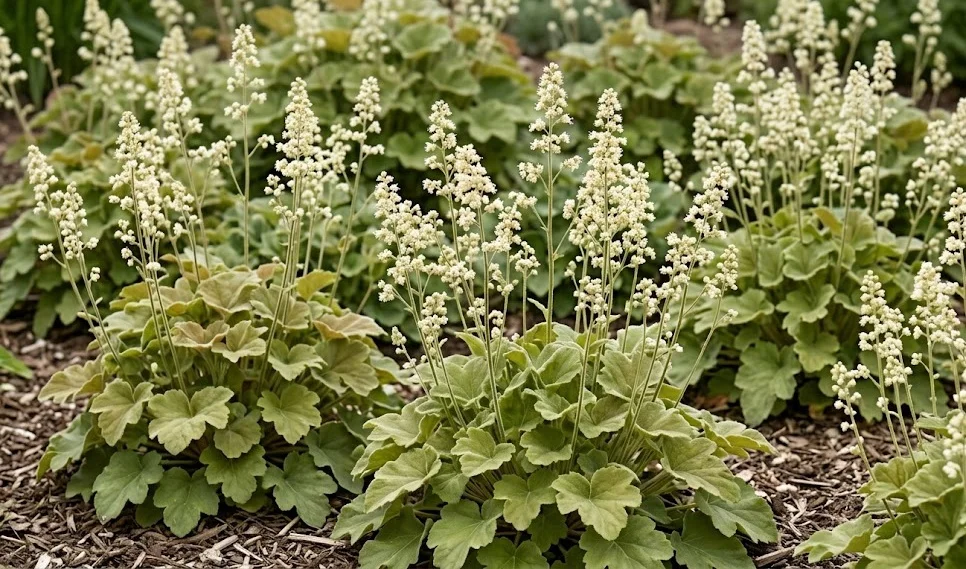
The white-flowered varieties often have foliage that is particularly sensitive to light levels, as they may lack the heavy pigmentation found in darker cultivars. You should consider the natural habitat of these plants—often the filtered light of a forest edge—when choosing their home in your garden. This “dappled” light is often the ideal condition, providing periods of brightness followed by cooling shade. By mimicking these natural patterns, you can ensure that your plants remain comfortable and visually striking.
As a professional gardener, you should also consider how light levels will change as other plants in the border grow and mature. A spot that is sunny in the early spring might become quite shaded by mid-summer as neighboring perennials and shrubs leaf out. Planning for these shifts ensures that your plants always have the light they need at each stage of their development. With careful placement and ongoing monitoring, you can master the light requirements of this species and create a truly professional landscape.
Identifying the ideal exposure
Most professional guidelines suggest a location with partial shade as the best starting point for this species, particularly in the afternoon. This means the plant should receive several hours of direct sunlight in the morning, followed by protection from the harshest rays after midday. You will find that morning sun is less intense and provides a gentle way for the plant to start its day without the risk of heat stress. This balance keeps the foliage cool while still providing enough light for the photosynthesis needed for healthy growth.
More articles on this topic
If your garden is predominantly sunny, you might need to use other plants or garden structures to create the necessary shade for your perennials. Planting them on the north or east side of taller shrubs or a fence can provide the perfect amount of protection from the south and west sun. You can also use the architecture of the garden itself, such as pergolas or lattice work, to filter the light and create a dappled effect. Being creative with your placement allows you to enjoy these plants even in less-than-ideal lighting situations.
In very deep shade, the plant will survive but may not reach its full decorative potential or produce many of its characteristic flowers. You should look for signs like elongated stems or a thinning of the foliage mound, which are common indicators that the plant is “reaching” for more light. If you notice these symptoms, it might be worth thinning out some of the overhanging branches of nearby trees to let in a bit more brightness. Small adjustments to the light levels can have a significant impact on the plant’s overall vigor and appearance.
The geographic location of your garden also plays a role in how the plant experiences light and heat. In cooler northern climates, the plants may be able to handle more direct sun without issue, while in the south, shade becomes a non-negotiable requirement for survival. You should adapt your planting strategy to your local climate, using the general rules as a starting point rather than a strict law. A professional is always responsive to the specific environmental context in which they are working.
Foliage color and light intensity
One of the most fascinating aspects of this genus is how the foliage color can shift depending on the amount of light the plant receives. For white-flowered varieties with green or silver-toned leaves, moderate light is often necessary to bring out the subtle patterns and textures. You might notice that in too much shade, the leaves become a more uniform, dull green as the plant produces more chlorophyll to capture what little light is available. Conversely, some sun can enhance the silvery or metallic sheen that makes these varieties so popular.
More articles on this topic
Managing light for color is a refined skill that allows you to “tune” the appearance of your garden to match your design goals. You should experiment with placing identical plants in slightly different lighting conditions to see which one produces the most attractive results. This hands-on learning helps you understand the nuances of your specific garden’s light and how it interacts with the plants’ genetics. Over time, you will develop an intuitive sense for where each variety will look its absolute best.
Sunlight can also affect the thickness and durability of the leaf tissue, which in turn impacts the plant’s resistance to environmental stress. Leaves grown in brighter light tend to be a bit tougher and more leathery, while those in deep shade are often thinner and more delicate. You should consider this when planning your maintenance routine, as thinner leaves may be more susceptible to physical damage or pests. A plant that is perfectly matched to its light environment will have the strongest and most resilient foliage.
The intensity of the sun can vary significantly from one year to the next depending on weather patterns and the health of the surrounding canopy. You should remain flexible and be prepared to move a plant if its lighting situation changes for the worse. Sometimes, the removal of a large tree can suddenly expose a shade-loving border to full sun, requiring quick action to protect your collection. Staying aware of these long-term environmental changes is a sign of a truly professional and dedicated gardener.
Monitoring for light stress
Light stress is usually easy to identify if you know what to look for, and it often appears as a physical change in the leaves. Sunscorch is the most common symptom of too much light, characterized by bleached or brown patches in the center of the leaves where the tissue has been literally cooked. You will notice this most often during the peak of summer when the sun is at its strongest and the temperatures are high. If you see these signs, providing temporary shade or moving the plant is the only way to prevent further damage.
On the other hand, light deficiency shows up as a lack of vigor and a general “stretching” of the plant as it tries to find more energy. You might see fewer flowers and the overall mound might become less compact and more irregular in shape. While this is rarely fatal, it compromises the aesthetic value of the plant and its role in your garden design. Moving the plant just a few feet into a brighter spot can often lead to a dramatic improvement in its health and appearance within a single season.
You can also use the plant’s flowering behavior as a guide to its lighting needs and overall satisfaction with its location. A plant that is getting the right amount of light will produce strong, upright flower spikes that are covered in delicate blooms. If the spikes are weak, floppy, or non-existent, it may be a sign that the light levels are either too low or the plant is stressed by too much heat. Observing these reproductive signals helps you understand the deeper biological health of your perennials.
By mastering the light requirements of your garden, you create an environment where every plant can perform at its peak. You should take pride in your ability to read the landscape and match each species to its perfect home. This attention to detail is what creates a professional-quality garden that remains beautiful and healthy year after year. Your dedication to understanding the fundamental needs of your plants is the foundation of your success as a gardener and a steward of the land.