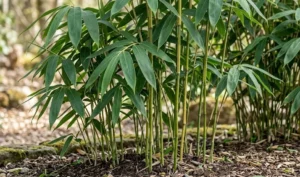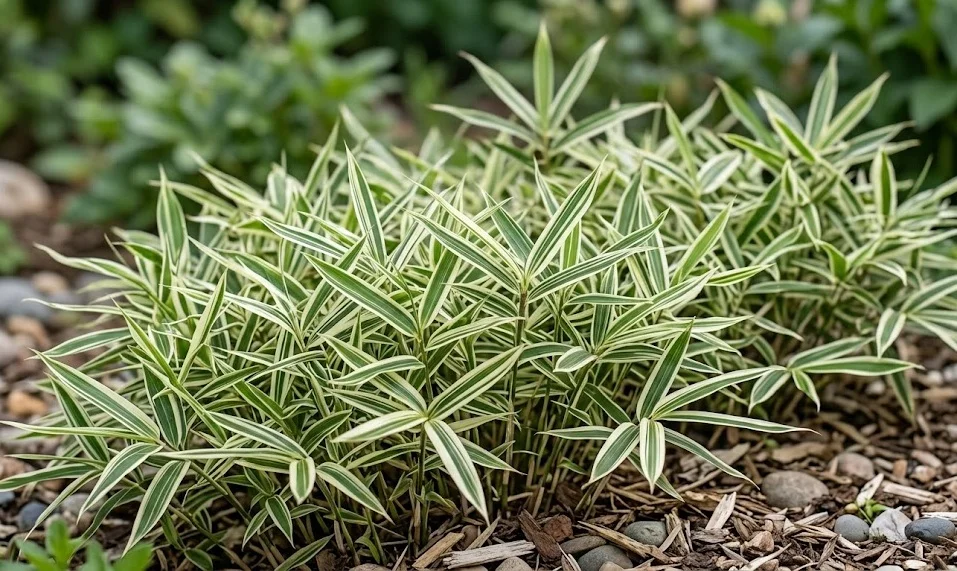

Proper hydration and nutrition are the twin pillars of maintaining a vibrant and healthy colony of white-striped dwarf bamboo. This variety has specific needs that differ from larger timber bamboos, primarily due to its shallower root system and ornamental foliage. To keep the white variegation sharp and the leaves lush, the gardener must implement a consistent and informed feeding and watering schedule. This article provides professional insights into the optimal methods for delivering water and nutrients to this unique dwarf species.
The relationship between water and fertilizer is deeply interconnected, as water acts as the vehicle for nutrient transport within the plant. Without adequate moisture, even the best fertilizers cannot be absorbed and utilized by the bamboo’s rhizomes. Conversely, overwatering can leach essential minerals out of the soil before the plant has a chance to take them up. Achieving the perfect balance requires an understanding of the plant’s seasonal metabolic demands and the local climate.
Environmental factors like wind, temperature, and humidity play a significant role in how quickly the bamboo uses its resources. On a hot, breezy day, the plant will transpire water much faster than on a cool, still morning. This variability means that a rigid, calendar-based watering schedule is often less effective than one based on actual soil conditions. Expert gardeners learn to read the subtle signs the plant gives when it is thirsty or hungry.
Fertilization is not just about growth; it is also about maintaining the structural integrity and aesthetic quality of the foliage. The white stripes on the leaves are particularly sensitive to nutrient imbalances, which can cause them to fade or turn brown. A well-nourished bamboo is also better equipped to defend itself against pests and environmental stressors. By following professional guidelines, you can ensure your bamboo remains a high-performance element in your garden design.
Understanding moisture needs
The root system of this dwarf bamboo is composed of relatively shallow rhizomes and a dense network of fine feeder roots. Because these roots stay close to the surface, they are more susceptible to drying out than those of deeper-rooted plants. This makes consistent surface moisture a priority, especially during the active growing season. If the top five to ten centimeters of soil become bone dry, the plant will quickly begin to show signs of distress.
More articles on this topic
One of the first signs of water stress in this bamboo is the inward curling of the leaves, a natural mechanism to reduce water loss. This visual cue should be taken as an urgent signal to provide irrigation immediately. If the leaves remain curled for too long, they may eventually turn brittle and drop off, which significantly weakens the plant. Catching these early warnings allows the gardener to prevent permanent damage to the aesthetic of the patch.
While the plant loves moisture, it is important to distinguish between “moist” and “saturated” soil conditions. If the roots are kept in standing water for extended periods, they will begin to rot due to a lack of oxygen. This leads to a paradoxical situation where the plant looks wilted even though the soil is wet, because the damaged roots can no longer absorb water. Proper soil drainage is therefore the best insurance policy against the dangers of overwatering.
Soil type also dictates the frequency and volume of watering required to keep the bamboo healthy. Sandy soils drain very quickly and may need more frequent, lighter waterings to keep the moisture levels stable. Heavy clay soils hold water for a long time and require a more cautious approach to avoid saturation. Knowing your soil’s personality helps you tailor your irrigation strategy to be as efficient and effective as possible.
Proper irrigation techniques
The method by which water is applied can be just as important as the amount of water used. Deep, infrequent watering is generally better than shallow, daily sprinkles, as it encourages the roots to grow deeper into the soil. This creates a more resilient plant that can withstand short periods of drought more effectively. When you water, aim to saturate the entire root zone to a depth of at least twenty to thirty centimeters.
More articles on this topic
Drip irrigation or soaker hoses are often the most efficient tools for watering bamboo groundcovers and low hedges. These systems deliver water directly to the soil surface, minimizing evaporation and keeping the foliage dry. Keeping the leaves dry is beneficial because it reduces the risk of fungal diseases that thrive in moist, stagnant conditions. If you must use a sprinkler, it is best to water in the early morning so the leaves have time to dry before evening.
Hand-watering can be a therapeutic and effective way to ensure that every part of the bamboo colony receives adequate attention. It allows the gardener to inspect the plant closely while moving the hose or watering can around the base. This is also a good time to check for any dry spots that might be shielded from rain or irrigation by overhanging structures. A personal touch ensures that no area is neglected during the heat of the summer.
During periods of extreme heat or drought, applying a “heavy” watering once or twice a week is often more beneficial than daily light misting. This ensures that the water penetrates through the mulch layer and reaches the actual root system where it is needed most. If you see water running off the surface rather than soaking in, you may need to slow down the application rate. Patience during the irrigation process leads to much more effective hydration.
Nutrient requirements and timing
White-striped dwarf bamboo is a moderately heavy feeder that benefits from a balanced approach to nutrition. Nitrogen is the most important element for promoting the lush, green growth that provides the background for the white stripes. However, an excess of nitrogen can sometimes lead to soft, weak stems and may even cause the variegation to diminish. A balanced NPK ratio (Nitrogen, Phosphorus, Potassium) ensures that all parts of the plant are supported.
The timing of fertilizer application should coincide with the plant’s natural growth cycles for maximum efficiency. The first application should typically occur in early spring, just as the soil begins to warm and new shoots are preparing to emerge. A second, lighter application in early summer helps to sustain the growth through the peak of the season. Avoid fertilizing late in the autumn, as this can stimulate new growth that won’t have time to harden off before winter.
Organic fertilizers, such as well-rotted manure, compost, or specialized bamboo feeds, are highly recommended for this species. These materials break down slowly, providing a steady stream of nutrients while also improving the soil structure. They also foster a healthy population of beneficial soil microbes that help the plant access minerals more easily. Using organic options reduces the risk of chemical burns on the sensitive rhizomes and leaves.
If you choose to use synthetic fertilizers, it is vital to follow the manufacturer’s instructions regarding dosage and application. Over-fertilizing can lead to a buildup of salts in the soil, which can actually prevent the plant from taking up water. Always water the plant thoroughly before and after applying granular fertilizers to help dissolve the nutrients and carry them to the roots. Consistency and moderation are the keys to a successful feeding program.
Signs of nutrient imbalance
A keen eye can often detect nutritional problems just by looking at the color and shape of the bamboo leaves. If the leaves are pale green or yellow overall, it may indicate a nitrogen deficiency that is slowing down the plant’s metabolism. This is often accompanied by a general lack of vigor and a reduced number of new shoots in the spring. Adding a nitrogen-rich organic amendment can usually correct this issue within a few weeks.
Iron deficiency, or chlorosis, is another common problem that can affect the appearance of variegated bamboo. This usually manifests as yellowing between the leaf veins, while the veins themselves remain green. This issue is often related to soil pH; if the soil is too alkaline, the plant cannot absorb the iron that is already present. Using a chelated iron supplement or acidifying the soil can help restore the plant’s vibrant colors.
If the tips of the leaves turn brown and crispy, it might be a sign of potassium deficiency or, more commonly, fertilizer burn. This can happen if too much synthetic fertilizer is applied at once or if the plant is not watered sufficiently after feeding. If you suspect an overdose of nutrients, flushing the soil with large amounts of clean water can help to leach away the excess salts. It is always better to under-fertilize slightly than to risk damaging the plant with an overdose.
Phosphorus is essential for root development, and a lack of it can lead to a stunted colony that fails to spread as expected. While most garden soils have adequate phosphorus, it is still worth considering if your bamboo seems unusually weak or slow to establish. A balanced, all-purpose fertilizer usually provides enough of this element for standard landscape needs. Regular observation allows you to catch these imbalances before they become major health problems.
Water quality and drainage
The quality of the water you use can have a long-term impact on the health of your white-striped dwarf bamboo. In some areas, tap water contains high levels of chlorine or fluoride, which can be sensitive for certain bamboo varieties. If you notice persistent leaf tip browning despite proper watering, you might consider using rainwater or filtered water. Collecting rainwater is not only better for the plants but also a more sustainable gardening practice.
Hard water, which contains high levels of calcium and magnesium, can eventually alter the pH of your soil. Over several years, this can make the soil more alkaline, leading to the nutrient lockout issues mentioned earlier. If you live in a hard water area, periodic soil testing is even more important to ensure the environment remains suitable for the bamboo. Mulching with acidic materials like pine needles can help to counteract this effect.
Drainage is the final, crucial component of the water management system for this plant. Even with the perfect watering schedule, poor drainage can lead to anaerobic soil conditions that kill the roots. You can test your site’s drainage by digging a hole, filling it with water, and seeing how long it takes to empty. If the water is still there after several hours, you will likely need to amend the soil or install the bamboo in a raised bed.
Improving drainage often involves digging in large amounts of organic matter and perhaps some coarse sand or fine gravel. This creates more “macro-pores” in the soil through which excess water can move away from the root zone. A well-drained soil feels light and crumbly, providing the perfect medium for the bamboo’s rhizomes to explore and expand. When water and air can both reach the roots, the plant is at its most resilient and beautiful.