
To maintain a compact and attractive shape, regular pruning is a necessary task for any plant enthusiast. You should not be afraid to use your shears, as this species responds very well to being cut back. Pruning is not just about aesthetics; it also promotes the overall health and vigor of the plant. By removing old or overgrown stems, you encourage the plant to put its energy into fresh, new growth.
The best time to perform a major pruning session is in the early spring as the plant begins its active growth. You should look for any stems that have become too long, thin, or have lost their lower leaves. Removing these “leggy” portions will stimulate the dormant buds lower down on the stem to start growing. This results in a much fuller and bushier plant that looks much more attractive in a pot or basket.
Using the right tools is essential for making clean cuts that heal quickly and do not invite disease. You should always use a sharp, sterilized pair of gardening scissors or bypass pruners for your maintenance tasks. A clean cut allows the plant to seal the wound much faster than a ragged or crushed edge would. Sterilizing your tools with rubbing alcohol between plants prevents the spread of any potential pathogens or infections.
When you are pruning, you should try to make your cuts just above a leaf node or a set of leaves. This is the point where the new growth will emerge, so the location of your cut determines the new shape. You can remove up to one-third of the total foliage at one time without causing excessive stress. Regular “pinching” of the growing tips throughout the season will reduce the need for drastic pruning later on.
Techniques for shaping and density
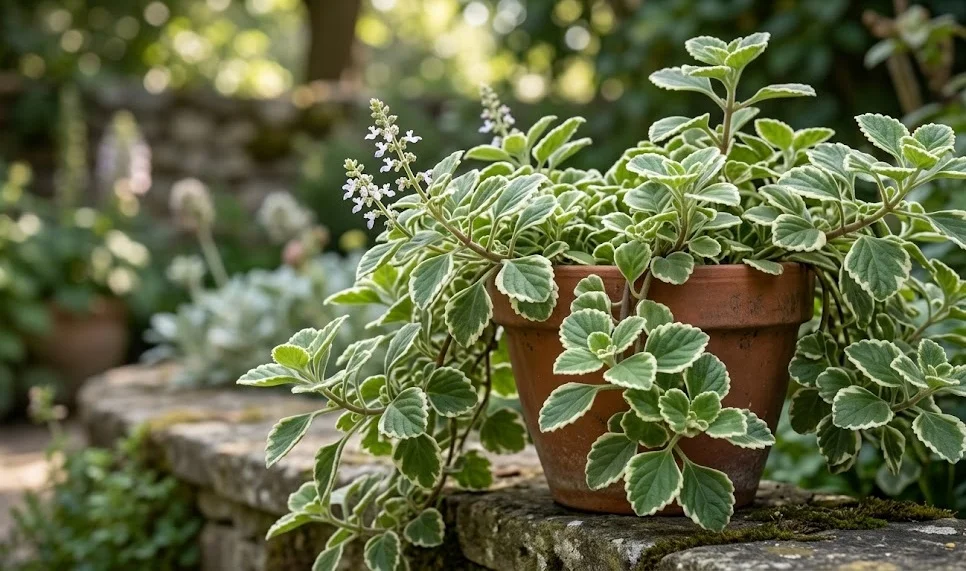
Creating a specific shape for your plant requires a bit of planning and a steady hand during the pruning process. You should decide whether you want a long, cascading look or a tight, round mound of variegated foliage. For a cascading effect, focus on thinning out the center while allowing the outer stems to grow long. For a bushier look, consistently cut back the longest stems to encourage more lateral branching from the base.
More articles on this topic
Pinching is a gentle form of pruning that you can do with your fingers to manage the growth of young stems. You should simply remove the very tip of a growing shoot to stop it from getting any longer for a while. This action forces the plant to activate the buds at the leaf nodes further down the stem. Doing this regularly will result in a very dense and lush specimen that covers the entire pot.
If your plant has become severely overgrown or woody, you might need to perform a rejuvenation pruning. You should cut the entire plant back to within a few inches of the soil level to start completely fresh. While this may look drastic, a healthy Swedish ivy will quickly send up new, vibrant shoots from the roots. This is a great way to save an old plant that has become unattractive or messy over the years.
Always remove any yellowed, dead, or diseased leaves as soon as you notice them during your routine checks. You should keep the interior of the plant clean to allow light and air to reach the inner stems. This simple maintenance task prevents the buildup of organic matter that could lead to fungal issues or pests. A clean plant is a healthy plant, and regular grooming is the best way to achieve this.
Post-pruning care and recovery
After a significant pruning session, the plant will need a bit of extra care to help it recover and grow back. You should provide a light feeding with a balanced fertilizer to give the plant the nutrients it needs for new leaves. Ensure that the plant is in a bright spot but protected from direct, harsh sunlight while it is healing. Consistent watering is also important during this time to support the rapid development of new tissues.
More articles on this topic
The stems that you remove during pruning can often be used to start entirely new plants for your collection. You should select the healthiest pieces and follow the standard propagation steps to root them in water or soil. This way, nothing goes to waste, and you can expand your garden or share plants with your friends. It is a rewarding way to make the most of your maintenance tasks throughout the growing season.
Observe the new growth closely over the following weeks to see how the plant is responding to your cuts. You should see tiny new leaves appearing at the nodes within a very short period of time. If the new growth is coming in too thick, you can always thin it out a bit to maintain air circulation. Pruning is an ongoing process that allows you to guide the development of the plant over many years.
Ultimately, the goal of pruning is to create a plant that fits perfectly into its intended space and style. You should enjoy the creative process of shaping your Swedish ivy and watching it transform under your care. Each cut you make is an opportunity to improve the health and beauty of your ornamental garden. With a bit of practice, you will become confident in your ability to maintain a perfect specimen.