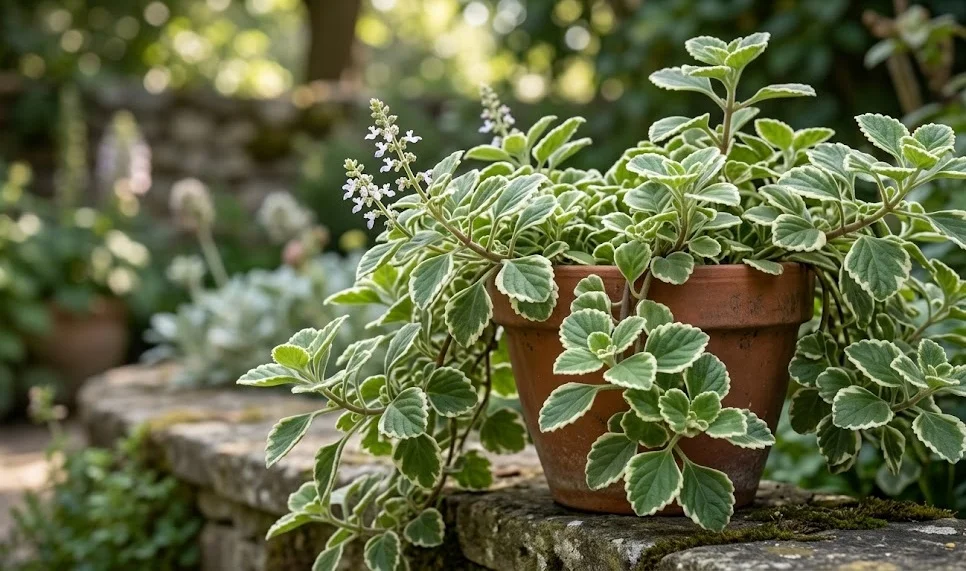

Keeping your ornamental plants healthy requires a vigilant eye and a proactive approach to potential threats. You should regularly inspect your Swedish ivy for any signs of unwanted visitors or unusual leaf spots. Pests and diseases can spread quickly in a controlled environment if they are not addressed at the very beginning. Understanding the common problems will allow you to protect your plants and maintain their lush beauty throughout the year.
Aphids are one of the most common pests that can affect the soft, new growth of your plants. You should look for small, green or black insects clustering on the stems and the undersides of the leaves. These pests suck the sap from the plant, which can lead to distorted growth and a sticky residue. A strong stream of water can often knock them off, but more persistent cases may need further treatment.
Whiteflies are another nuisance that can often be found fluttering around the foliage when the plant is disturbed. You should check for tiny, white insects that congregate in large numbers to feed on the leaf juices. They produce honeydew, which can encourage the growth of black sooty mold on the surface of the leaves. Using yellow sticky traps is an effective way to monitor and reduce the population of these flying pests.
Spider mites can be particularly troublesome during the dry winter months when indoor humidity is very low. You should watch for very fine webbing between the stems and small, yellow stippling on the leaf surfaces. These microscopic pests thrive in dusty conditions, so keeping the plant clean is a great preventive measure. Increasing the humidity around the plant can also help discourage mites from establishing a colony.
Fungal issues and root health
Root rot is perhaps the most serious threat to a Swedish ivy, often caused by poor drainage or excessive watering. You should be concerned if you notice a persistent foul smell coming from the soil or if the plant wilts despite being wet. Fungal pathogens thrive in waterlogged soil where oxygen levels are low, quickly destroying the root system. Once root rot takes hold, it can be very difficult to save the plant without drastic measures.
More articles on this topic
Powdery mildew can appear as a white, flour-like substance on the surfaces of the leaves and stems. You should ensure that your plants have plenty of air circulation to prevent the moisture buildup that favors this fungus. Avoid watering the foliage directly, as wet leaves are much more susceptible to fungal infections during the night. If you spot mildew, removing the affected leaves and improving the environment is the first step toward recovery.
Leaf spot diseases can manifest as brown or black circular lesions with yellow halos on the foliage. You should recognize that these are often caused by either bacteria or fungi that thrive in humid, warm conditions. Keeping the leaves dry and removing any fallen debris from the top of the soil will help reduce the spread. Fungicidal sprays can be used as a last resort if the infection begins to cover a large portion of the plant.
Botrytis, or gray mold, can sometimes affect plants that are kept in very damp and cool environments. You should look for a fuzzy, gray growth on decaying flowers or old leaves that have not been removed. This fungus can quickly spread to healthy tissue if the environmental conditions are not corrected immediately. Cleaning the plant and reducing the humidity are the most effective ways to manage this common fungal issue.
Preventive strategies for plant health
The best way to deal with pests and diseases is to prevent them from ever entering your garden or home. You should always quarantine any new plants you purchase for at least two weeks before placing them near your collection. This period allows you to observe the new plant for any hidden pests or developing disease symptoms. A simple precaution can save you from a widespread infestation that could affect all your decorative plants.
More articles on this topic
Maintaining the overall vigor of the plant is your primary defense against any biological threats. You should provide the correct light, water, and nutrients so the plant remains strong and resilient to stress. Healthy plants produce natural chemical defenses that make them less attractive to many common garden pests. A stressed or weakened plant is much more likely to be targeted by insects or succumb to fungal infections.
Cleanliness in the growing area is a fundamental part of professional plant maintenance and pest control. You should regularly remove dead leaves, spent flowers, and any organic debris from the surface of the potting soil. This material can provide a hiding spot for insects or a breeding ground for harmful fungal spores. Keeping your gardening tools sterilized with alcohol will also prevent the accidental transfer of diseases between specimens.
Regularly rotating your plants can help ensure that all sides receive equal light and air circulation. You should move the pots occasionally to prevent “dead zones” where pests might congregate undisturbed. This practice also allows you to inspect the plant from all angles and catch any issues early. Small changes in placement can significantly improve the microclimate around the foliage and reduce disease risk.
Organic and natural treatments
If you do find pests on your Swedish ivy, there are many gentle and organic ways to treat the problem. You should consider using a solution of neem oil, which is a natural insecticide that disrupts the life cycle of many pests. Neem oil is safe for humans and pets but very effective against aphids, mites, and whiteflies. Always test a small area of the foliage first to ensure the plant does not have an adverse reaction.
Insecticidal soap is another excellent tool for managing soft-bodied insects without using harsh synthetic chemicals. You should spray the soap directly onto the pests, ensuring that you cover both the tops and bottoms of the leaves. The soap works by breaking down the outer shell of the insects, causing them to dehydrate and die. Repeating the treatment every few days will help catch any new pests that have hatched since the last application.
Encouraging beneficial insects like ladybugs or lacewings can provide natural pest control in an outdoor garden setting. You should avoid using broad-spectrum pesticides that kill these helpful predators along with the harmful ones. Creating a diverse garden environment attracts natural enemies that will keep the pest populations in balance for you. This ecological approach is sustainable and reduces the need for constant human intervention.
Home-made remedies, such as a diluted mixture of dish soap and water, can also be effective in a pinch. You should use a very mild soap and avoid products that contain degreasers or strong fragrances. Spraying the mixture on the affected areas can quickly reduce the number of insects on your plant. Always rinse the plant with fresh water a few hours after treatment to remove any soapy residue from the leaves.
Monitoring and long-term management
Consistency in monitoring is the key to maintaining a pest-free and healthy collection of ornamental plants. You should make it a habit to check your plants every time you water them during the week. Looking at the undersides of the leaves and the junctions of the stems is where problems usually start. Catching a few aphids early is much easier than dealing with a massive infestation a month later.
Keeping a record of any issues you encounter can help you identify patterns over the different seasons. You should note which pests appear at certain times of the year and how the plant responds to treatments. This knowledge allows you to be better prepared for the next year and take preventive action in advance. Every gardener goes through these challenges, and each experience makes you more skilled and knowledgeable.
If a plant is severely infested or diseased beyond saving, you should not hesitate to discard it entirely. You should remove the affected plant from your home to prevent the problem from spreading to your healthy specimens. Sometimes it is better to start fresh with a healthy cutting or a new plant than to struggle with a chronic issue. Protecting the health of the rest of your collection should always be your top priority.
Education and staying informed about local plant health trends will give you an advantage in your gardening. You should read agricultural reports or talk to local experts about any new pests that have been spotted in your area. Being aware of potential threats before they arrive allows you to strengthen your preventive measures. A proactive mindset is the most effective tool in the battle against plant diseases and pests.