
Establishing a balanced irrigation and nutritional regimen is fundamental to maintaining the health and beauty of these popular cottage garden annuals. While they possess a relatively resilient nature once fully established, young plants require consistent care to thrive. Striking the right balance prevents common issues like root rot from overwatering or stunted growth from nutrient deficiencies. Understanding how environmental conditions affect moisture levels allows you to adapt your care routine dynamically through the seasons. Providing the right inputs at the right time ensures your garden remains vibrant, healthy, and filled with stunning blossoms.
The deep taproot system developed by these plants plays a crucial role in how they absorb moisture from the surrounding soil. During the initial weeks following germination, keeping the top layer of earth consistently moist helps the young roots grow deep. Once the root system penetrates further into the ground, the plants become significantly more drought-tolerant and resilient. Watering deeply but less frequently encourages the roots to push further downward in search of moisture, stabilizing the plant. This irrigation strategy creates a strong foundation that helps the flowers withstand hot, dry spells later in the summer.
Monitoring soil moisture levels manually remains the most reliable way to determine when your plants actually require irrigation. Insert your finger an inch or two into the soil near the base of the plants to check for moisture. If the earth feels dry and warm to the touch, it is time to deliver a thorough, deep soaking. Avoid shallow, daily sprinklings, as this encourages shallow root growth and leaves the plants vulnerable to drying out quickly. Developing a mindful approach to watering saves precious resources while promoting optimal health for your entire garden layout.
The timing of your watering sessions significantly influences how efficiently the plants utilize moisture and affects disease prevention. Watering early in the morning allows the foliage to dry completely before the intense heat of the midday sun arrives. This practice minimizes evaporation losses, ensuring that more water reaches the root zone where it is needed most. Evening watering should generally be avoided, as prolonged moisture on leaves creates an ideal environment for fungal spores to germinate. Aligning your watering schedule with natural daily temperature cycles keeps your plants healthy and minimizes disease pressures.
Nutritional requirements for vibrant blooms
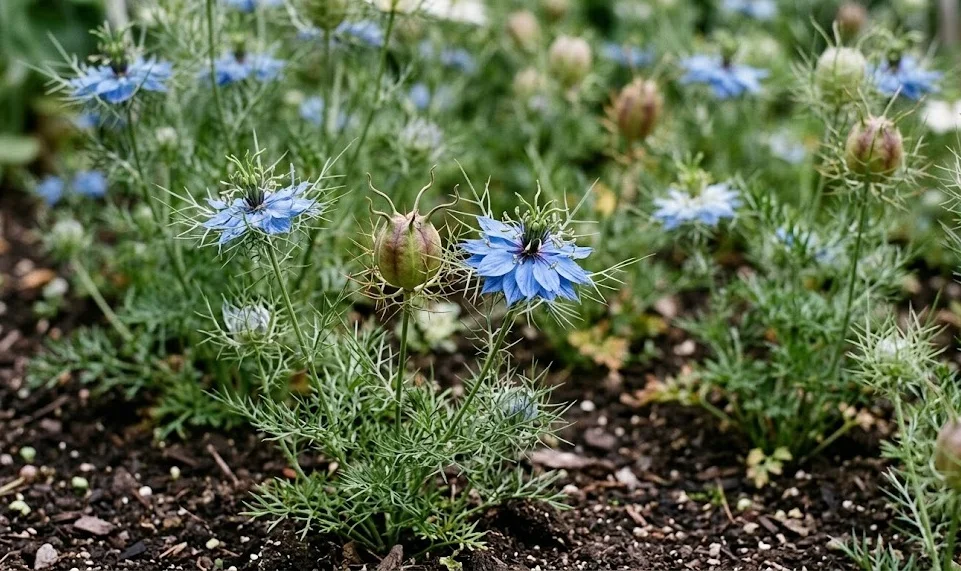
Understanding the specific nutritional needs of these annuals ensures that you encourage abundant flowering rather than excessive, weak leaf production. They do not require highly fertile soils to produce their beautiful, misty blossoms and distinct ornamental seed pods. In fact, planting them in overly rich earth often results in floppy stems and a distinct lack of flowers. A modest approach to fertilization supports natural, sturdy growth patterns that enhance the structural integrity of the plant. Tailoring your nutrient applications to match the plant’s natural life cycle yields the most satisfying visual results.
More articles on this topic
Nitrogen is an essential macronutrient, but it must be managed with extreme care when dealing with flower-focused annual species. High levels of nitrogen stimulate rapid, lush vegetative growth that creates soft, weak tissues susceptible to wind damage. Instead, focus on providing fertilizers that contain higher proportions of phosphorus and potassium to encourage robust bud formation. Phosphorus plays a critical role in energy transfer and stimulates healthy root and flower development throughout the growing season. Potassium enhances overall disease resistance and improves the plant’s ability to cope with environmental stressors like heatwaves.
Incorporating well-rotted organic compost into the garden bed before sowing provides a gentle, slow-release source of vital nutrients. Compost improves soil structure, increases microbial activity, and helps maintain a stable, optimal pH level over time. This natural amendment often eliminates the need for synthetic chemical fertilizers completely, supporting a more sustainable garden ecosystem. Worm castings or well-composted leaf mold can also be used to top-dress the soil surface around established plants gently. Relying on organic solutions nurtures the earth while feeding your plants in a balanced, wholesome manner.
If your garden soil is exceptionally sandy or nutrient-poor, supplementary liquid feeding can provide a helpful boost during peak growth. Utilizing a diluted, organic liquid seaweed or fish emulsion feed every three to four weeks offers balanced support. Always ensure the soil is thoroughly moist before applying any liquid fertilizer to prevent shocking or burning the delicate root hairs. Discontinue fertilization completely once the plants finish blooming and begin transitioning into their decorative seed pod phase. This controlled approach prevents wasted nutrients and aligns perfectly with the plant’s natural senescence processes.
Troubleshooting irrigation and fertility issues
Recognizing the early warning signs of improper watering or nutritional imbalances allows you to make corrections before permanent damage occurs. Yellowing lower leaves can indicate either overwatering or a lack of nitrogen, requiring careful investigation of soil moisture conditions. If the soil is muddy and emits a sour odor, saturated conditions are likely suffocating the delicate root system. Conversely, crispy, brown leaf margins typically signal that the plant is suffering from severe moisture deficit and dehydration stress. Regular observation and quick intervention are vital to getting your garden back on track successfully.
More articles on this topic
Over-fertilization manifests in distinct ways that can quickly ruin the aesthetic appeal of your carefully planned flower borders. Stems that grow rapidly but appear thin, weak, and unable to support the weight of the blossoms indicate nutrient excess. You may also notice a white, crusty salt buildup on the soil surface if synthetic fertilizers have been over-applied. Flushing the soil thoroughly with clean, fresh water can help leach away these damaging excess salts from the root zone. Shifting toward organic, slow-release amendments prevents these sharp nutrient spikes and protects long-term soil health effectively.
Implementing effective drainage solutions is absolutely essential if you are dealing with heavy clay soils that naturally retain excess water. Amending the cultivation area with plenty of coarse organic matter or fine grit helps break up sticky clay particles. Creating raised planting beds offers an excellent structural solution that allows excess water to drain away freely from roots. Raised beds also warm up faster in early spring, promoting quicker seed germination and stronger initial plant development. Overcoming drainage challenges ensures that your annual flowers never suffer from the devastating effects of waterlogged soil.
Adapting your care routine during unusual weather patterns, such as prolonged rainy spells or extended droughts, preserves plant vitality. During continuous rainy periods, suspend all manual irrigation and ensure that mulch layers are not trapping excessive moisture around stems. In times of extreme drought, increasing the volume of water applied per session ensures moisture penetrates deep into the subsoil. Utilizing rain gauges helps you track exactly how much natural precipitation your garden receives each week. Flexibility and attentiveness allow you to guide your plants safely through unpredictable seasonal weather variations.
Tailoring care for container-grown specimens
Growing these misty annual flowers in containers requires a specialized approach to both watering and nutritional management throughout the season. Containers hold a limited volume of soil, meaning they dry out significantly faster than open garden beds. During the height of summer, container-grown plants may require thorough watering every single day to prevent wilting. Selecting a high-quality potting mix that retains moisture while allowing excess water to drain away freely is crucial. Container cultivation offers fantastic flexibility but demands a higher level of attentiveness from the dedicated gardener.
Nutrient leaching is a common phenomenon in container gardening because frequent watering washes essential soluble minerals out through drainage holes. Consequently, potted specimens rely heavily on regular, external nutrient supplementation to sustain their rapid growth and blooming cycles. Mixing a slow-release organic fertilizer into the potting soil at planting time provides a steady baseline of nutrition. Complementing this with weak, bi-weekly liquid feedings during the flowering phase ensures the plants never exhaust their available food supply. Maintaining a consistent nutrient stream keeps container displays looking lush, vibrant, and professionally maintained all summer.
Choosing the right container material and size significantly impacts how easily you can manage moisture and temperature levels. Porous materials like unglazed terracotta allow moisture to evaporate through the walls, cooling the soil but requiring more frequent watering. Plastic or glazed ceramic pots retain moisture longer but can trap excessive heat if placed in direct, intense sunlight. Ensure the container has large, clear drainage holes to prevent water from pooling at the bottom and rotting roots. Matching your container choice to your lifestyle and microclimate makes daily maintenance much easier and more successful.
Implementing self-watering planters or automated drip irrigation systems can take the stress out of managing potted garden displays. These systems deliver a steady, controlled supply of moisture directly to the root zone, minimizing waste and preventing dramatic moisture fluctuations. Automated setups are incredibly helpful if you travel frequently or have a busy schedule that limits daily garden chores. Combining technology with sound horticultural principles ensures your container displays remain in peak condition throughout the entire growing season. Smart watering solutions allow you to enjoy beautiful blossoms with minimal effort and maximum efficiency.
Sustainable practices and water conservation
Adopting sustainable gardening practices benefits the local environment while optimizing the health and resilience of your annual flower beds. Harvesting natural rainwater using barrels or cisterns provides a pure, chemical-free source of water that plants absolutely love. Municipal tap water often contains chlorine and fluorides that can slowly alter soil chemistry and affect sensitive soil biology. Rainwater is naturally soft and matches ambient temperatures, reducing thermal shock to delicate root systems when applied. Integrating water harvesting into your routine represents a simple, highly effective step toward ecological responsibility.
Utilizing high-quality organic mulches is one of the most effective ways to conserve soil moisture and reduce irrigation frequency. A thick layer of shredded bark, clean straw, or composted leaves shades the soil surface from intense solar radiation. This simple barrier dramatically reduces evaporation rates, keeping the underlying root zone cool, moist, and stable for longer periods. As the organic mulch decomposes, it feeds beneficial soil microorganisms and improves the long-term structural quality of your earth. Mulching represents a multi-functional practice that saves time, conserves water, and builds beautiful, fertile soil naturally.
Designing your garden layout based on hydrozoning principles allows you to group plants with similar water requirements together efficiently. Placing drought-tolerant annuals away from moisture-loving species ensures that no plant receives too much or too little water. This strategic organization simplifies your irrigation routines and prevents the accidental overwatering of species that prefer dry conditions. Hydrozoning maximizes the efficiency of every drop of water applied, creating a harmonious and resource-conscious landscape design. Thoughtful planning before planting is the hallmark of a truly modern, environmentally aware gardener.
Embracing natural soil life by avoiding harsh synthetic chemicals fosters a robust ecosystem that naturally supports plant health. Beneficial mycorrhizal fungi form symbiotic relationships with plant roots, dramatically expanding their surface area and capacity to absorb water. These fungi can access tight spaces and deep moisture reserves that regular plant roots simply cannot reach on their own. Nurturing this hidden underground network through organic practices builds deep, natural resilience within your entire garden display. A healthy soil food web is your best ally in creating a beautiful, low-maintenance, and water-wise landscape.