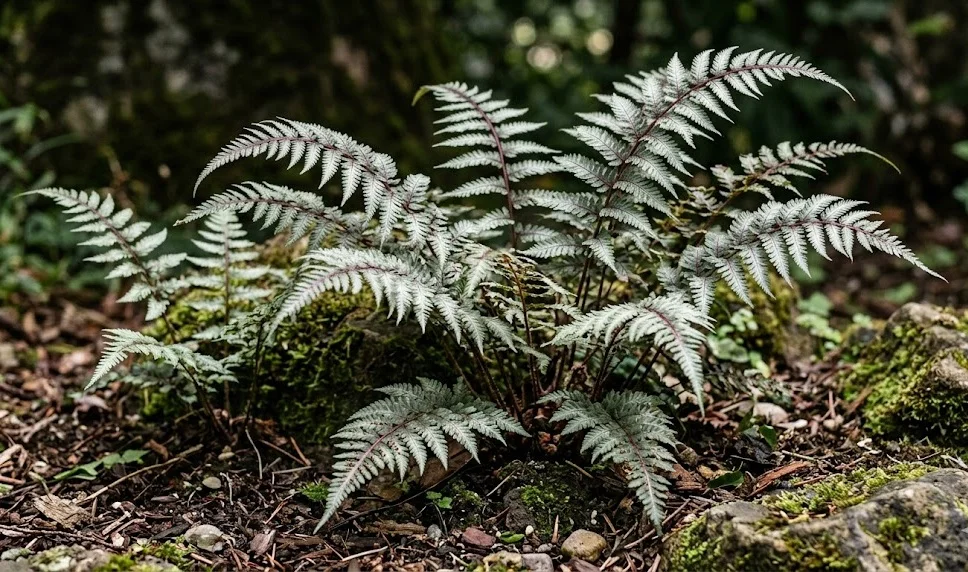

While the Japanese painted fern is generally considered a hardy and resilient choice for the shade garden, it is not entirely immune to the challenges of pests and diseases. Most issues that arise are directly related to the environmental conditions in which the plant is growing, particularly excessive moisture or poor air circulation. By understanding the common threats and knowing how to identify them early, a gardener can take proactive steps to protect their collection. A healthy plant is always the best defense against any biological or fungal intrusion.
Fungal infections are among the most frequent problems encountered, often manifesting as spots or discoloration on the delicate fronds. These pathogens thrive in the humid, stagnant conditions that ferns often inhabit, making prevention a top priority. Ensuring that plants are spaced correctly to allow for adequate airflow is one of the simplest and most effective ways to reduce disease pressure. If the foliage stays too wet for too long, it becomes an ideal breeding ground for spores that can quickly spread from one plant to another.
Insects and other small creatures can also find the tender, emerging fronds of the Japanese painted fern to be an attractive food source. While many pests are merely a cosmetic nuisance, a severe infestation can weaken the plant and reduce its aesthetic value significantly. Regular inspections, especially on the undersides of the leaves where many pests hide, are essential for early detection. Catching a problem while it is localized to a single frond can prevent a garden-wide outbreak.
When dealing with any health issue, it is important to remember that chemical treatments should be a last resort, as ferns are often sensitive to the ingredients in many commercial pesticides. Many common problems can be solved through cultural adjustments or physical removal of the affected parts. By taking a holistic approach to garden health, you can maintain a beautiful display while protecting the beneficial insects and soil organisms that keep your ecosystem in balance.
Managing common fungal and bacterial issues
Leaf spot and rust are two fungal diseases that can occasionally plague the Japanese painted fern, especially during particularly wet or humid summers. Leaf spot appears as small, dark circles that can eventually merge and cause entire sections of the frond to turn brown and die. Rust is usually identified by the presence of orange or yellow powdery pustules on the undersides of the leaves. If you notice these symptoms, immediately prune away the infected fronds and dispose of them in the trash, not the compost pile.
More articles on this topic
Root rot and crown rot are much more serious conditions that are almost always caused by overwatering or poorly draining soil. These diseases are often invisible until the damage is extensive, at which point the plant may suddenly collapse or the fronds may pull away easily from the base. If you suspect rot, you must act quickly to dry out the soil and potentially move the plant to a better location. Improving the soil structure with organic matter or grit can help prevent these pathogens from gaining a foothold in the future.
Botrytis, or gray mold, can sometimes affect ferns that are growing in very tight spaces with almost no air movement. This fungus appears as a fuzzy, grayish coating on the leaves and can cause the delicate tissues to turn mushy and decay. Removing any dead or decaying organic material from around the base of the plant is a critical step in controlling this disease. It is also helpful to avoid overhead watering, which can spread the spores and provide the moisture they need to germinate.
Bacterial leaf blight is less common but can be very destructive, leading to large, water-soaked lesions that turn black over time. Unlike fungal issues, bacterial infections can be difficult to treat once they have entered the vascular system of the plant. The best course of action is to destroy the affected plant and sterilize any tools that came into contact with it to prevent further spread. Maintaining good sanitation in the garden is your best insurance policy against these types of aggressive pathogens.
Dealing with slugs, snails, and other gastropods
Slugs and snails are perhaps the most persistent pests for any gardener growing hostas or ferns in a shaded, damp environment. These nocturnal creatures find the soft, young fronds of the Japanese painted fern to be a delicacy, leaving behind large, ragged holes or entire missing sections. You can often identify their presence by the silvery slime trails they leave on the ground or the foliage. Because they thrive in the same conditions as the fern, they can be a constant challenge throughout the growing season.
More articles on this topic
Hand-picking is one of the most effective and environmentally friendly ways to manage slug and snail populations, especially if done in the evening with a flashlight. You can also create physical barriers using crushed eggshells, copper tape, or diatomaceous earth around the base of the prized plants. These materials make it difficult for the gastropods to reach the foliage without experiencing discomfort or injury. Maintaining a clean area around the ferns, free of piles of dead leaves, also removes the hiding spots where these pests spend their days.
Beer traps are a classic organic remedy that many gardeners swear by for controlling small to medium-sized infestations. By burying a small container level with the soil and filling it with beer, you attract the slugs, which then fall in and drown. For more severe problems, organic slug pellets containing iron phosphate are a safe choice that will not harm pets or beneficial wildlife. It is important to avoid older chemical baits containing metaldehyde, as these are highly toxic to birds and mammals that might visit your garden.
Encouraging natural predators is a long-term strategy that can help keep the gastropod population in check without any effort from the gardener. Toads, frogs, and certain species of birds are all fond of eating slugs and will happily take up residence in a well-managed garden. Providing a small water feature or a few flat rocks for shelter can make your landscape more attractive to these helpful allies. A balanced ecosystem is often the most professional and sustainable way to handle pest management in a residential setting.
Controlling sap-sucking insects and mites
Aphids and mealybugs can occasionally find their way onto the Japanese painted fern, though they are less common than on other perennials. These tiny insects feed on the plant’s sap, which can cause the fronds to become distorted, yellowed, or stunted. They also secrete a sticky substance called honeydew, which can lead to the growth of black sooty mold on the leaf surface. A strong stream of water from a garden hose is often enough to dislodge these pests and reduce their numbers significantly.
Mealybugs are particularly troublesome because they tend to hide in the tight crevices near the crown of the plant, where they are protected by a waxy, cotton-like coating. If you spot these white, fuzzy insects, you can treat them by dabbing them with a cotton swab dipped in rubbing alcohol. This dissolves their protective layer and kills the insect on contact without harming the rest of the plant. For larger infestations, an application of insecticidal soap can be effective, provided it is applied during the cool of the evening.
Scale insects are another group of sap-suckers that can appear as small, stationary bumps on the stems or midribs of the fronds. Because they have a hard outer shell, they can be resistant to many contact sprays and may require manual removal or the use of horticultural oils. These oils work by smothering the insects and their eggs, but they must be used with caution on ferns to avoid damaging the foliage. Always test a small area first to ensure the plant doesn’t have an adverse reaction to the oil.
Spider mites can become a problem if the environment becomes too dry, especially during hot summer months or if the fern is grown in a container. These microscopic pests spin fine webs and cause the foliage to look stippled or dusty as they drain the chlorophyll from the cells. Increasing the humidity around the plant and keeping the soil consistently moist is often enough to deter these pests. If they persist, regular misting of the foliage with plain water can disrupt their breeding cycle and help the plant recover.
Prevention through proper environmental management
The old adage that “an ounce of prevention is worth a pound of cure” is especially true when it comes to managing garden health. By selecting the right site and providing the correct care, you can significantly reduce the likelihood of your ferns ever developing a major pest or disease problem. Stress is the primary factor that makes plants vulnerable to attack, so keeping your ferns well-hydrated and properly nourished is your first line of defense. A vigorous plant has natural chemical defenses that can repel many common pests.
Proper spacing is a professional technique that is often ignored by beginners who want an “instant” full look in their garden beds. Giving each Japanese painted fern enough room to reach its full size ensures that air can move freely between the fronds, which is the best way to prevent fungal infections. Crowded plants trap humidity and provide a continuous highway for pests to move from one specimen to the next. Thinking ahead and planting for the mature size of the fern pays off in the form of a healthier, lower-maintenance garden.
Sanitation is another critical component of a professional pest and disease management strategy. Regularly removing dead or damaged fronds prevents the buildup of organic material that can harbor pathogens or provide hiding spots for slugs. In the autumn, cleaning up fallen leaves from nearby trees can also help reduce the overwintering sites for many common garden pests. Keeping your tools clean and sharp prevents the accidental spread of viruses or bacteria from one part of the garden to another.
Observation is the final tool in your preventative toolkit, and it requires nothing more than a few minutes of your time each week. Taking a slow walk through your garden and looking closely at your plants allows you to spot changes before they become catastrophes. Seeing the first few aphids or a single spot of fungus allows for a quick, localized intervention that is much easier than treating an entire bed. This mindful approach to gardening ensures that your Japanese painted fern remains a stunning and healthy feature of your landscape.
Treating established problems and recovery
If you do find yourself facing a significant pest or disease issue, the first step is always to correctly identify the problem before taking action. Using the wrong treatment can sometimes make the situation worse or cause unnecessary damage to the plant and the surrounding environment. Many local university extension offices or professional garden centers offer diagnostic services to help you determine exactly what you are dealing with. Once you have a positive identification, you can choose the most targeted and least toxic solution available.
When applying any treatment, whether it is a simple soap spray or a more specialized fungicide, always follow the label instructions exactly. More is not better, and over-application can lead to chemical burns on the sensitive fern fronds. It is also important to consider the timing of your application; many treatments are most effective when applied during specific stages of a pest’s life cycle. Avoiding treatment during the hottest part of the day prevents the sun from reacting with the chemicals and damaging the plant.
After the problem has been addressed, the focus shifts to helping the fern recover its vigor and beauty. Pruning away any unsightly or dead foliage helps the plant redirect its energy toward new, healthy growth. Providing a little extra attention to watering and perhaps a very light feeding can help a stressed plant bounce back more quickly. Be patient, as ferns are not the fastest-growing plants, and it may take a full season for the specimen to return to its former glory.
Finally, use every health challenge as a learning opportunity to improve your gardening practices for the future. Ask yourself why the problem occurred—was the soil too wet, or was the plant under too much sun? By identifying the underlying environmental cause, you can make adjustments that will prevent the same issue from returning next year. This cycle of observation, action, and adjustment is what eventually turns a hobbyist into a true expert gardener.