
This wonderful annual plant brings an incomparable charm to cottage gardens with its delicate, misty foliage and intricate blossoms. Cultivating this species requires an understanding of its simple yet specific growth preferences to maximize its unique visual appeal. Gardeners appreciate its low-maintenance nature, making it perfect for both beginners and experienced horticulturists seeking reliable color. By implementing proper care techniques, you can ensure a prolonged blooming period that extends from late spring into the autumn months. The rewards of incorporating this plant into your landscape are numerous, ranging from vibrant visual textures to beautiful dried seed pods.
Soil preparation plays a foundational role in establishing a healthy stand of these captivating annual flowers. They thrive best in well-draining soil that prevents water from pooling around their delicate root systems. Adding organic matter like well-rotted compost can significantly improve soil structure and nutrient availability without creating overly rich conditions. A neutral to slightly alkaline pH level is ideal for promoting optimal growth and robust flower production throughout the season. Taking the time to assess and amend your garden soil before planting will pay dividends in plant health.
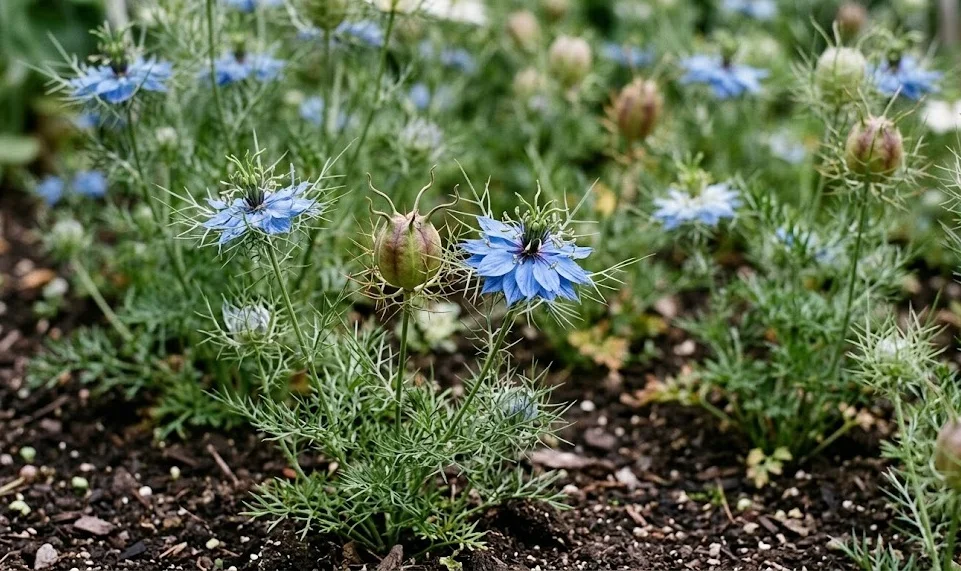
Understanding the growth habit of this plant helps in choosing the most effective companions and placement within borders. It typically reaches a height of fifteen to twenty-four inches, creating a beautiful mid-border display. The fine, lace-like bracts surround the flowers, creating the characteristic misty appearance that blends softly with bolder foliage plants. As the flowers fade, they transform into ornamental, balloon-like seed capsules that add architectural interest to the late-summer garden. Planning your garden layout with these physical traits in mind ensures a balanced and visually harmonious landscape design.
Managing the life cycle of annual plants requires a slightly different approach than caring for long-lived perennial species. Since these plants complete their entire life cycle in a single growing season, maintaining steady growth is essential. Providing the right environment from the very beginning reduces stress and minimizes the risk of early decline. Regular observation allows you to spot any subtle changes in foliage color or growth vigor early enough to intervene. With consistent but minimal attention, these plants will naturally fulfill their genetic potential and beautify your outdoor space.
Managing soil conditions for optimal growth
Achieving the perfect balance in soil moisture and texture is critical for the long-term vitality of these annuals. Overly compacted soils restrict root expansion and trap excess moisture, which can quickly lead to root rot issues. Utilizing a garden fork to loosen the earth down to a depth of several inches encourages deep root penetration. Mixing in coarse sand or fine gravel can dramatically enhance drainage in heavy clay areas that tend to retain water. Well-aerated soil ensures that roots receive the vital oxygen they need to support top-heavy flower growth.
More articles on this topic
Nutrient management should be approached with moderation, as excessive fertility often compromises the structural integrity of the plant. High nitrogen levels stimulate lush, weak green growth at the expense of the iconic blossoms you want to encourage. A balanced, slow-release organic amendment applied early in the season provides a sustained supply of essential macro and micronutrients. Observing the natural color of the leaves will tell you if the soil nutrients are sufficient for healthy development. Healthy leaves should maintain a bright, clean green hue without showing signs of yellowing or stunted expansion.
Implementing a layer of light mulch around the base of the plants can help stabilize soil temperatures during hot summer days. Fine bark chips, clean straw, or shredded leaves serve as excellent options that decompose over time to enrich the earth. The mulch layer should be kept relatively thin to avoid trapping too much moisture directly against the lower stems. This practice also helps suppress competitive weed growth, reducing the need for disruptive manual cultivation around delicate roots. Proper mulching creates a stable microclimate that supports steady, uninterrupted plant development.
Long-term soil health can be maintained by practicing thoughtful crop rotation if you grow these flowers in dedicated cutting beds. Avoiding the continuous planting of the same family in the exact same spot helps prevent the buildup of soil-borne pathogens. Integrating cover crops during the off-season can replenish vital organic compounds and improve overall soil tilth naturally. Testing your soil every few years provides accurate data regarding nutrient levels and pH shifts that might affect plant performance. Caring for the earth beneath your plants is the most effective way to ensure gardening success year after year.
Supporting structural integrity and spacing
The delicate, airy structure of these plants means they benefit greatly from proper spacing and occasional physical support. When individual plants are crowded together too closely, they compete intensely for light, air, and essential soil nutrients. Providing adequate space allows air to circulate freely through the dense, misty foliage, which significantly reduces fungal disease risks. Well-spaced plants develop stronger, thicker stems that are much better equipped to withstand sudden gusts of summer wind. Strategic placement ensures each specimen has the room it needs to display its unique aesthetic form completely.
More articles on this topic
In exposed or windy garden locations, implementing subtle support mechanisms can prevent the slender stems from flopping over. Utilizing natural twigs or brushwood pushed into the ground around the young plants creates an invisible, highly effective support matrix. As the plants grow, their fine foliage naturally weaves through the twigs, concealing the structural aid entirely from view. This traditional technique avoids the rigid, artificial look of plastic stakes and ties while maintaining a natural garden aesthetic. Supporting your plants early prevents the frustration of seeing beautiful blooms ruined by unexpected summer storms.
Monitoring the density of your flower beds throughout the spring allows you to make necessary adjustments before crowding becomes problematic. Thinning out excess seedlings ensures that the remaining plants have optimal resources to reach their full, glorious potential. The removed seedlings can sometimes be transplanted if handled with extreme care, though direct-sown plants prefer to remain undisturbed. Aim for a final distance of approximately eight to twelve inches between individual plants to achieve a lush, continuous blanket of color. Consistent spatial management is a hallmark of professional garden care and maintenance.
The interaction between spacing and flower production is a crucial factor to consider when managing a dedicated cutting garden. Closer spacing can sometimes encourage longer stems as plants stretch upward toward the light, which is desirable for floral arrangements. However, this must be balanced carefully against the increased risk of mildew and reduced individual bloom size. Experimenting with different densities in your specific microclimate will help you find the perfect balance for your goals. Documenting these observations in a garden journal provides invaluable data for refining your cultivation techniques next season.
Maximizing the blooming period
Extending the flowering season requires a combination of timely intervention and an understanding of the plant’s reproductive drive. The primary goal of any annual plant is to produce seeds to ensure the survival of the next generation. By removing fading flowers before they can form seed pods, you signal the plant to produce more blossoms. This practice redirects energy away from seed development and channels it back into the formation of new flower buds. Consistent monitoring and deadheading will reward you with a continuous display of beautiful, misty blooms for weeks.
While deadheading extends the floral show, leaving a few late-season blossoms to mature creates a completely different visual appeal. The transitioning seed pods develop a fascinating, inflated shape with deep purple or bronze markings that look stunning in borders. Balancing the desire for fresh flowers with the architectural beauty of the seed heads requires a strategic approach to maintenance. You can choose to deadhead the front rows for continuous color while allowing the back rows to form pods. This dual-purpose management style maximizes the ornamental value of the plant at every stage of development.
Environmental factors like intense summer heat can sometimes cause a temporary pause in flower production despite your best efforts. Providing temporary afternoon shade during extreme heatwaves can help mitigate stress and keep the plants actively budding. Ensuring the root zone remains cool through proper mulching and consistent moisture also plays an important role in bud survival. When the intense heat subsides, well-maintained plants will quickly resume their prolific blooming cycle with renewed vigor. Adapting your care routine to seasonal weather shifts keeps your garden looking vibrant and resilient.
Nutrient support during the peak blooming phase should focus on phosphorus-rich options rather than nitrogen-dominant fertilizers. Applying a weak liquid organic feed every few weeks can provide the quick boost needed to sustain heavy flower production. Always apply fertilizers to moist soil to prevent root burn and ensure rapid absorption of the beneficial elements. Avoid over-fertilizing, as this can cause the plant to burn out quickly and shorten its natural lifespan. Thoughtful nutritional support ensures the flowers maintain their intense color and structural perfection until the season ends.
Managing environmental stressors
Plants face various environmental challenges throughout their life cycle, ranging from unexpected temperature fluctuations to intense solar radiation. Developing a keen eye for the early signs of environmental stress allows you to protect your garden effectively. Leaves that begin to droop or lose their vibrant green color often indicate that the root system is struggling. Providing immediate shelter or adjusting moisture levels can help the plant recover before permanent cellular damage occurs. Proactive care is always more effective than attempting to revive severely compromised garden specimens.
Sudden drops in temperature during the early spring can shock young plants that have just begun to establish themselves. Utilizing floating row covers or lightweight frost blankets provides an easy and effective way to safeguard delicate young foliage. These protective covers trap ground heat while still allowing light and moisture to reach the growing plants underneath. Removing the covers during sunny days ensures that the plants do not overheat or suffer from poor air circulation. Protecting your investment from unpredictable spring weather ensures a strong, healthy start to the growing season.
High winds pose a significant physical threat to the delicate, airy structure of these popular cottage garden flowers. Planting them in sheltered locations, such as next to a fence, hedge, or sturdier companion plants, offers natural protection. If a severe storm is forecasted, temporary windbreaks can be constructed using garden fabric and sturdy stakes to deflect the strongest gusts. Inspecting the plants immediately after a storm allows you to straighten bent stems and remove any broken material. Minimizing wind damage preserves the neat, attractive appearance of your flower borders and beds.
Soil compaction caused by heavy foot traffic or intense rainfall can restrict root growth and limit oxygen availability. Regularly loosening the soil surface gently with a hand cultivator helps maintain an open, porous structure around the plants. Be extremely careful not to dig too deeply, as this can damage the shallow feeding roots near the surface. Adding a thin layer of fine organic matter after cultivating helps preserve the loose structure and prevents crusting. Maintaining excellent soil tilth is essential for helping plants cope with other environmental challenges.
Integration into landscape design
Incorporating these misty flowers into your overall landscape design requires a thoughtful understanding of texture, color, and structural balance. Their fine, thread-like foliage creates a soft, cloud-like effect that provides an excellent contrast to broad-leaved garden plants. Placing them alongside bold-textured companions like hostas, bergenias, or large-flowered perennials emphasizes the unique qualities of both species. The cool blue, white, or pink tones of the blossoms blend beautifully with pastel color schemes or soften vibrant hot-colored borders. Strategic placement enhances the visual depth and complexity of your garden compositions significantly.
Creating drifts or large groups of these annuals yields a much more powerful visual impact than planting isolated individual specimens. Mass plantings mimic the natural distribution of wildflowers, creating a romantic, casual aesthetic that epitomizes cottage garden style. These drifts can be woven through perennial borders to fill temporary gaps left by early spring bulbs as they die back. The continuous movement of the fine foliage in the breeze adds a dynamic, living element to static garden structures. Designing with massed groups transforms ordinary garden spaces into captivating, painterly landscapes.
Utilizing these versatile plants in container gardening opens up wonderful possibilities for decorating patios, balconies, and small courtyard spaces. Choose a high-quality potting mix that offers exceptional drainage to keep the root environment healthy and well-aerated. Selecting a container with ample drainage holes is absolutely vital to prevent waterlogging during heavy summer downpours. Combining them with trailing plants creates a beautiful, layered arrangement that brings vertical interest to your outdoor living areas. Container-grown specimens require slightly more frequent monitoring for moisture, but they offer unparalleled flexibility in garden styling.
Planning for the seasonal transformation of the garden ensures that your landscape remains interesting even after the main blooming period. The transition from delicate flowers to architectural seed capsules provides a wonderful bridge between late summer and early autumn. Leaving the dried stalks intact adds texture and form to the winter garden layout when other plants have faded completely. The seed heads also attract small birds, bringing welcome wildlife activity into your yard during the colder months. Designing with the full life cycle of the plant in mind creates a richer, more deeply satisfying garden experience.
Documenting and evaluating garden performance
Keeping a detailed record of your gardening journey provides invaluable insights that help refine your cultivation techniques over time. Documenting planting dates, weather patterns, and the exact timing of the first and last blooms creates a personalized archive. Noting how specific varieties perform in different areas of your yard helps identify the absolute best locations for future plantings. Photographing the garden at regular intervals offers a clear visual record of growth rates and color combinations that worked exceptionally well. This practice turns routine garden maintenance into an engaging, educational experience that builds true horticultural expertise.
Evaluating the success of your soil preparation and fertilization routines helps optimize resource use in subsequent growing seasons. If you notice exceptionally lush foliage but few flowers, you know to reduce nitrogen inputs next spring. Conversely, stunted growth suggests that the soil could benefit from a richer incorporation of well-rotted organic compost or balanced nutrients. Observing how plants respond to different watering schedules helps fine-tune your irrigation practices to conserve water while maximizing health. Continuous evaluation ensures that your garden care becomes more efficient and effective every single year.
Analyzing pest and disease patterns allows you to develop proactive, preventative strategies rather than relying on reactive treatments. If powdery mildew appears regularly, you can plan for wider plant spacing and better air circulation in the future. Recording which companion plants seemed to deter pests effectively helps you refine your natural garden ecosystem design. Understanding the specific vulnerabilities of your plants within your local microclimate empowers you to intervene before problems become widespread. Knowledge gained through careful observation is the most powerful tool a gardener can possess.
Sharing your observations and experiences with fellow gardeners fosters a supportive community and enriches the collective knowledge base. Participating in local garden clubs or online forums allows you to compare notes on variety performance and regional challenges. Exchanging seeds from your best-performing plants ensures the continuation of strong, locally adapted genetics in your neighborhood. Reflecting on the successes and challenges of the past season brings a sense of accomplishment and sparks excitement for future projects. Every growing season offers a fresh canvas to apply your evolving skills and passion for beautiful plants.