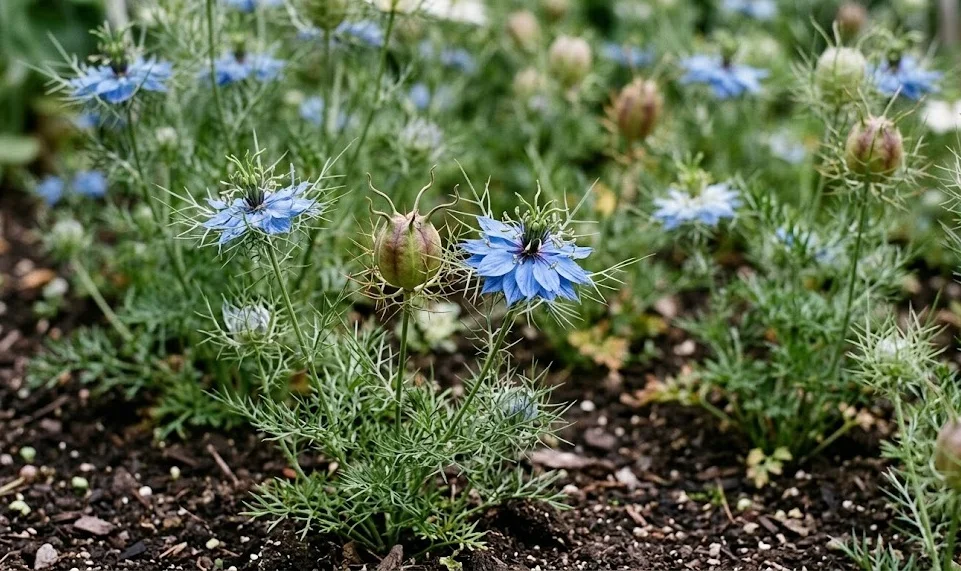

Navigating the cold winter months successfully requires a clear understanding of the lifecycle and hardiness characteristics of these popular annual plants. While the active vegetative growth phase ends when freezing temperatures arrive, the species has evolved effective survival strategies. Specifically, it relies heavily on cold-hardy seeds that can rest safely beneath the winter soil until spring arrives. In milder climates, young seedlings germinated in autumn can survive freezing conditions to provide early spring blooms. Preparing your garden beds thoughtfully for winter ensures a seamless transition and a spectacular return of color next year.
The classification of this species as a hardy annual means it possesses surprising resilience against cold temperatures compared to tender tropical annuals. The seeds themselves are virtually impervious to deep winter freezes, requiring a period of cold stratification to break dormancy naturally. This cold exposure acts as a natural timer, ensuring the seeds do not sprout during a temporary mid-winter thaw. Understanding this mechanical requirement allows you to use winter weather to your advantage when planning your planting schedule. Embracing the natural cycles of your climate is the foundation of successful, low-maintenance ornamental gardening.
In regions with temperate winter conditions, autumn-sown seedlings develop a low-growing, compact rosette form designed to hug the ground safely. This growth habit protects the plant from freezing winds and minimizes the risk of physical damage from heavy snow loads. The root system continues to develop slowly underneath the cold soil, building a strong foundation for rapid spring expansion. These overwintered specimens often bloom weeks earlier and grow significantly larger than those sown in late spring. Managing these winter rosettes carefully provides a major head start for creating a breath-taking spring landscape.
Preparing the soil surface before winter sets in creates optimal conditions for both resting seeds and overwintering rosettes. Removing excessive accumulations of heavy, wet leaves prevents the young rosettes from smothering or rotting in damp conditions. Clearing away dead summer vegetation from other species eliminates potential hiding spots for pests that overwinter in garden debris. A neat, clean bed allows winter sunlight to reach the ground and maintain stable soil conditions throughout the cold months. Thoughtful autumn maintenance sets the stage for a healthy, disease-free garden environment when warm weather returns.
Protective measures for severe winter conditions
When exceptionally severe winter weather or prolonged sub-zero temperatures are forecasted, implementing extra protection can save vulnerable autumn seedlings. Applying a light, loose layer of clean straw or evergreen boughs over the patch provides excellent insulation against freezing winds. This protective canopy traps ground warmth while still allowing essential air circulation to prevent moisture buildup and fungal rot. Be careful not to use heavy materials like compacted autumn leaves, which can suffocate the delicate ground rosettes completely. Providing a temporary winter shield ensures that a maximum number of plants survive to beautify your spring borders.
More articles on this topic
Frost heaving represents another significant winter hazard that occurs when alternate freezing and thawing cycles push plant roots out of the soil. This movement exposes delicate root tissues to freezing air and drying winds, which can quickly prove fatal to young seedlings. Maintaining a stable, thin layer of fine organic mulch helps insulate the soil and minimizes these dramatic temperature fluctuations. If you notice any plants that have been lifted by frost, gently press them back into the earth as soon as the soil thaws. Vigilance during winter temperature swings keeps your garden foundation secure and ready for spring growth.
Managing winter moisture levels is a critical factor, as cold, saturated soil is far more damaging to plants than dry cold alone. Ensure that the planting beds are located in areas where winter rain and melting snow can drain away freely. Heavy clay soils that retain water like a sponge can easily cause the root systems of overwintering seedlings to rot completely. If necessary, constructing slight mounds or growing in raised beds solves this drainage issue structurally before winter arrives. Keeping the root zone well-drained ensures your plants rest safely through the wettest winter months.
Container-grown specimens require a completely different overwintering strategy since potting soil freezes much faster and deeper than the open ground. Move valuable containers to a sheltered location, such as against a south-facing wall, inside a cold frame, or into an unheated greenhouse. Wrapping the pots in burlap or bubble wrap adds an extra layer of insulation that protects the fragile root zone from extreme thermal shock. Check the moisture level occasionally during dry winter spells, delivering a small amount of water if the soil becomes completely bone-dry. Thoughtful container care preserves your portable garden structures and prepares them for an early spring awakening.
The science of seed stratification and winter resting
The process of cold stratification represents a fascinating evolutionary mechanism that ensures seeds only germinate when environmental conditions are optimal for survival. Inside each tiny, dark seed, chemical inhibitors prevent growth until a specific period of cold, moist conditions has passed. This natural timer ensures that seeds dropped in August do not sprout in September, only to be killed by November frosts. In the wild, winter weather naturally degrades these inhibitors, preparing the seed to burst into life as soon as spring warmth triggers germination. Understanding this internal chemistry allows gardeners to manipulate planting times for maximum success.
More articles on this topic
Artificial stratification can be performed by the enterprising gardener to mimic winter conditions inside a standard household refrigerator. Mix your collected seeds with a small amount of damp vermiculite or a moist paper towel inside a sealed plastic bag. Store the bag in the refrigerator for four to six weeks, checking periodically to ensure the medium remains lightly damp. This controlled chill tricks the seeds into believing they have passed through a winter cycle, breaking their internal dormancy perfectly. Artificial stratification is an excellent technique for starting seeds indoors early or when gardening in regions lacking cold winters.
Winter also plays a crucial role in breaking down the tough outer seed coat through a process known as weathering. Constant freezing and thawing cycles cause the soil to expand and contract, gently scarifying the hard exterior of the seeds. This physical action creates microscopic cracks that allow moisture and oxygen to penetrate into the seed embryo when spring arrives. Nature utilizes the harsh elements of winter as precision tools to prepare the ground for a renewal of life. Embracing the functional beauty of the winter season deepens your appreciation for the complex rhythms of the natural world.
Monitoring your resting garden beds during the winter months provides peace of mind and allows for timely structural maintenance. Check that windbreaks and protective covers remain securely anchored against strong winter gales that can sweep across open yards. Repair any damaged borders or garden structures while the plants are dormant and out of the way. Keep an eye out for animal activity, as hungry winter wildlife may attempt to dig in loose, mulched soil. Consistent winter stewardship ensures that your outdoor space remains orderly, safe, and fully prepared for the upcoming spring rush.
Preparing for the spring awakening and transition
As winter begins to lose its grip and daylight hours lengthen, preparing for the spring transition becomes your primary focus. Gradually remove any protective straw layers or evergreen boughs as soon as the threat of extreme sub-zero freezes has passed. Allowing early spring sunshine to warm the exposed soil directly stimulates dormant seeds and overwintered rosettes into active growth. Watch the patch closely for the first signs of renewed vitality, which often appear as bright green leaves emerging from the center of the rosettes. Managing this transitional phase correctly ensures that your garden bursts into life with maximum energy and momentum.
Early spring cultivation should be approached with extreme gentleness to avoid disturbing the shallow roots of newly awakening plants. Use a small hand fork to loosen the soil surface lightly around the rosettes, being careful not to dig too close to the main stems. This gentle aeration allows spring rains and warming air to penetrate deep into the root zone, accelerating development. Removing any tiny winter weeds that have managed to establish themselves eliminates early competition for vital nutrients and light. Meticulous spring preparation gives your emerging flower displays a clean, unobstructed runway to achieve greatness.
Assessing the survival rate of your overwintered patch allows you to plan for any necessary supplementary spring sowings. If an exceptionally harsh winter has thinned out your autumn seedlings, fresh seeds can be sown immediately to fill the gaps. These spring-sown additions will mature slightly later, creating a beautiful, extended blooming sequence that prolongs the overall garden show. Documenting the winter survival rates of different varieties helps you select the most resilient genetics for future autumn plantings. Adapting your strategy to the real-world outcomes of winter weather ensures a consistently stunning and reliable garden display.
The thrill of seeing the first feathery leaves emerge after a long, bleak winter is one of the greatest rewards of gardening. It validates the careful planning, autumn maintenance, and winter protection efforts you invested months prior. As the plants rapidly expand and begin forming their iconic, misty flower buds, the garden transitions into a place of vibrant life and color. Reflecting on the successful completion of the winter cycle brings a deep sense of accomplishment and sharpens your horticultural skills. Every spring represents a fresh beginning and a beautiful validation of your passion for the living world.