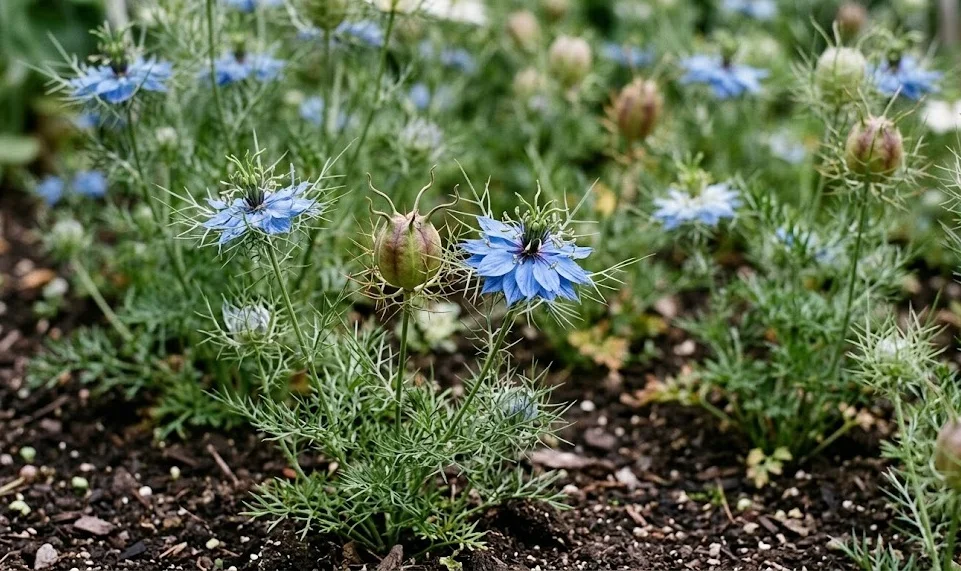

Implementing a thoughtful pruning and cutting back strategy is essential for maximizing the structural beauty and blooming potential of these annual flowers. While they do not require the heavy structural pruning associated with woody perennial shrubs, targeted interventions yield significant benefits. Regular maintenance helps control the plant’s shape, extends the flowering period, and manages the abundance of the iconic seed pods. Understanding the correct techniques and timing allows you to guide the plant’s development smoothly throughout its rapid single-season lifecycle. Mastering these simple cutting practices elevates the overall neatness and visual impact of your cottage garden displays effortlessly.
Pinching out the leading shoots of young plants is a fantastic technique used by professional gardeners to encourage bushier growth. When the seedlings reach a height of approximately four to six inches, gently snip off the central growing tip using clean shears. This simple action disrupts apical dominance, forcing the plant to direct its energy into developing multiple robust side branches. The resulting growth habit is significantly sturdier, more compact, and capable of producing a much larger total volume of flowers. Investing a few moments in pinching young plants early pays massive visual dividends when the blooming season arrives.
Deadheading, which involves the regular removal of spent flowers before they can form seeds, is the primary maintenance task during summer. As individual blossoms begin to fade and drop their colorful petals, trace the stem down to the next healthy set of leaves and make a clean cut. This practice prevents the plant from expending its precious energy reserves on producing seeds, which is its natural reproductive goal. Instead, the plant is stimulated to continuously produce fresh flower buds, extending the colorful display for weeks on end. Consistent deadheading keeps your flower borders looking fresh, vibrant, and meticulously cared for throughout the entire summer season.
Utilizing the correct, high-quality tools for pruning ensures clean cuts that minimize damage to the delicate, slender stems of these annuals. Small, sharp pocket pruners, floral snips, or even a pair of dedicated kitchen scissors are perfect for this lightweight task. Always ensure your tools are clean and sharp to prevent crushing the tender plant tissues, which can invite disease pathogens. Sanitizing your blades with rubbing alcohol between different plants prevents the accidental spread of any hidden viral or fungal infections. Proper tool maintenance is a fundamental aspect of professional garden care that protects the health of your entire collection.
Harvesting flowers and decorative seed pods
Cutting flowers for fresh indoor arrangements represents a wonderful way to enjoy the fruits of your garden labor inside your home. The ideal time to harvest blossoms is early in the morning when the stems are fully hydrated and filled with moisture. Select flowers that are just beginning to open, as these will provide the longest vase life and maintain their color best. Use a sharp knife or floral snips to cut the stems at an angle, increasing the surface area available for water absorption. Bringing these misty, delicate flowers indoors adds a touch of romantic cottage charm to any room design.
More articles on this topic
Managing the transition from fresh flowers to the highly ornamental, balloon-like seed capsules requires a strategic approach to cutting back. If your primary goal is to harvest the unique pods for dried floral arrangements, allow a selection of flowers to fade naturally on the plant. The green pods will slowly expand and develop fascinating purple or bronze vertical striping that adds tremendous structural interest to borders. Once the capsules become papery, dry, and turn a beautiful golden-brown color, they are completely ready for harvesting. Cut the long stems carefully at the base to preserve the full length for your creative dried floral designs.
Drying the harvested seed pods correctly ensures they retain their fascinating shape and color for months or even years indoors. Gather the cut stems into small, loose bunches and tie them securely at the base using twine or rubber bands. Hang the bunches upside down in a warm, dry, dark, and well-ventilated room like an attic or pantry. Keeping them out of direct sunlight during the drying process prevents the attractive colors from bleaching or fading away. Once completely dry, these architectural structures can be used in autumn wreaths, centerpieces, or rustic floral displays.
Balancing the harvesting of seed pods with the control of aggressive self-seeding is a crucial aspect of late-season garden maintenance. If all the mature capsules are left undisturbed on the plants, they will eventually split open and scatter hundreds of seeds. To prevent your borders from becoming overcrowded next spring, cut back the remaining stalks before the pods open fully. Leave only a few choice capsules intact if you wish to maintain a controlled, naturalized population in that specific area. Managing the seed output through targeted cutting back keeps your garden layout orderly, balanced, and perfectly balanced.
Late-season cleanup and clearing the beds
As autumn progresses and heavy frosts arrive, the natural lifecycle of these hardy annual flowers comes to its definitive end. The foliage will begin to turn yellow, then brown, and the stems will lose their structural integrity and collapse. Conducting a thorough late-season cleanup is essential for maintaining a neat appearance and protecting the health of next year’s garden. Cut the entire plant down to ground level using sturdy garden shears once the aesthetic value has faded completely. Removing the spent vegetation prevents it from matting down and trapping excessive winter moisture against the underlying soil surface.
More articles on this topic
Inspecting the cleared garden beds allows you to assess the success of the season and prepare the earth for winter rest. Rake the surface gently to remove any loose debris, broken stems, or unharvested seed pods that you do not want self-seeding. If you notice any signs of fungal diseases like powdery mildew on the old stalks, dispose of them in the trash immediately. Never compost diseased plant material, as the spores can survive the winter and reinfect your new seedlings next spring. Strict sanitation during the autumn cleanup is your best insurance policy against future disease outbreaks in your flower borders.
Adding a fresh layer of organic compost to the cleared beds after cutting back provides excellent protection and nourishment for the soil. This autumn top-dressing shields the earth from erosion caused by heavy winter rains and helps suppress early winter weed growth. As winter moisture moves through the compost, it carries vital nutrients deep into the soil structure, enriching the entire root zone. This simple practice ensures that the soil is fertile, loose, and perfectly prepared for spring sowing when the warm weather returns. Caring for the earth during the off-season is a key secret to achieving professional-grade gardening results year after year.
Reflecting on the results of your pruning and harvesting interventions helps you refine your maintenance strategies for the upcoming growing seasons. Note in your garden journal whether your early pinching techniques produced the desired bushy growth and increased flower volume. Evaluate whether your deadheading schedule was frequent enough to maintain a truly continuous display of misty blossoms throughout the summer. Continuous self-reflection transforms routine garden chores into a deeply rewarding, educational journey that builds true horticultural mastery. Every completed lifecycle brings a wealth of knowledge and renewed excitement for the creative possibilities of the next spring.