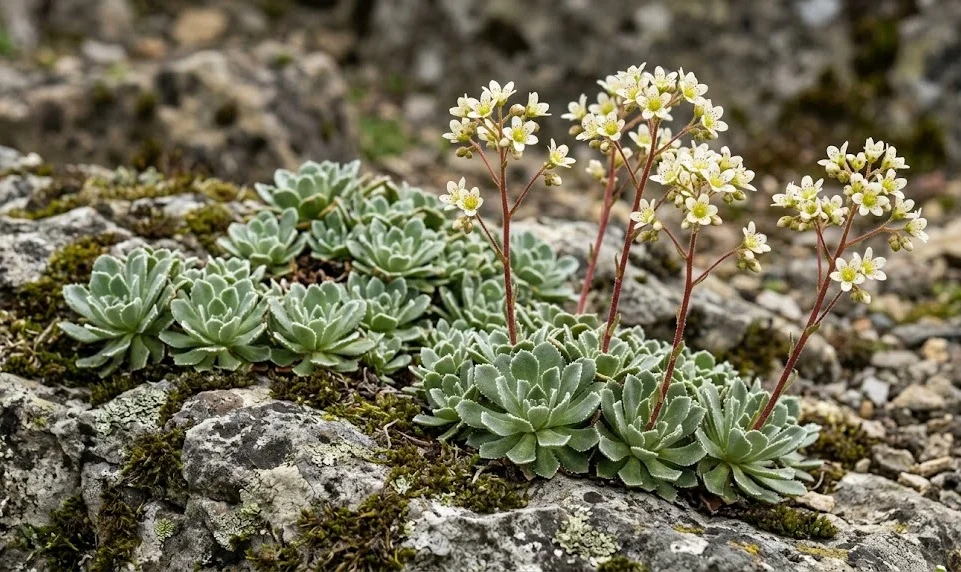

While the lifelong saxifrage is a remarkably tough survivor in the harsh conditions of its mountain home, it is not entirely immune to problems in the garden. Most issues encountered by gardeners are the result of environmental stress or improper cultivation practices that weaken the plant’s natural defenses. Identifying potential threats early and understanding their causes is essential for maintaining a healthy and vibrant collection of these alpine rosettes. A professional approach focuses on prevention through correct siting, but also includes targeted strategies for managing specific pests and pathogens.
Fungal diseases are perhaps the most significant threat to this species, especially in climates that are more humid than their native ranges. High moisture levels combined with poor air circulation create the perfect environment for various molds and rots to flourish. These pathogens typically attack the lower leaves or the crown of the plant, where moisture is most likely to be trapped. Maintaining a clean garden environment and ensuring impeccable drainage are your first lines of defense against these invisible enemies.
Pests, while less common than on many other garden plants, can still cause considerable damage if left unchecked for too long. Sucking insects like aphids or spider mites can occasionally colonize the rosettes, draining the plant of its vital fluids and weakening its overall structure. Because the plant grows slowly, any damage to the foliage can remain visible for several seasons, detracting from its ornamental value. Regular inspections of the undersides of leaves and the centers of the rosettes are crucial for early detection.
Understanding the link between plant health and pest resistance is a key concept in professional horticulture. A plant that is growing in its ideal conditions, with the right light, soil, and water, will have a much stronger immune system. Stress from overwatering, underwatering, or excessive fertilization makes the tissues soft and more attractive to both insects and fungi. By focusing on providing the best possible care, you are already doing most of the work required to keep your plants pest-free.
Managing fungal infections and crown rot
Crown rot is a devastating condition that often manifests as a sudden browning and softening of the central part of the rosette. It is almost always caused by excessive moisture sitting at the base of the plant or in the substrate for too long. Once the rot has set in, it can spread rapidly through the entire colony, making it very difficult to save the affected specimens. If you notice any mushy or discolored tissue, it must be removed immediately using sterile tools to prevent further spread.
More articles on this topic
Botrytis, or gray mold, can also become a problem during periods of cool, wet weather when the air remains stagnant. This fungus appears as a fuzzy gray coating on the leaves and can cause the foliage to collapse and decay. Improving air circulation by thinning out surrounding plants or moving containers to a breezier spot is often enough to stop its progress. Avoid watering from above during these periods, as keeping the foliage dry is the best way to prevent fungal spores from germinating.
Leaf spot diseases can sometimes appear as small, dark lesions on the surface of the rosettes, often surrounded by a yellow halo. These are usually caused by fungal or bacterial pathogens that are spread by splashing water from rain or irrigation. Removing and destroying any infected leaves can help limit the spread of the disease within the cushion or to neighboring plants. Ensure that your stone mulch is clean and free of decaying organic matter which can harbor these pathogens over the winter.
Prevention of fungal issues starts with the initial planting and continues through all aspects of seasonal maintenance. Always use a gritty, fast-draining substrate and never plant the rosettes too deeply into the soil. Using a top dressing of limestone or granite chippings keeps the crown elevated and dry, which is the single most effective way to avoid rot. A professional gardener knows that a dry crown is a healthy crown when it comes to growing lifelong saxifrage successfully.
Dealing with common sucking and chewing pests
Aphids are among the most frequent visitors to the rock garden and can sometimes be found tucked away in the tight crevices of the rosettes. They feed on the tender new growth, causing the leaves to become distorted, curled, or stunted. Because they reproduce so quickly, a small infestation can rapidly become a major problem if it is not addressed early. A strong stream of water can often dislodge them, but for more persistent cases, an insecticidal soap may be necessary.
More articles on this topic
Spider mites are a potential threat during hot, dry summer spells when the plant may already be slightly stressed by the heat. These tiny pests are difficult to see with the naked eye but leave behind fine webbing and a mottled, silvery appearance on the leaves. Increasing the local humidity around the plants or providing some temporary shade can help discourage these pests from establishing a colony. Maintaining adequate hydration for the plant also makes the foliage less attractive to these moisture-seeking insects.
Vine weevil larvae are perhaps the most dangerous pest because they attack the root system hidden beneath the soil surface. An infested plant will often appear to wilt even when the soil is moist, and in severe cases, the entire rosette can be lifted right off the ground. These pests are more common in container-grown plants where the larvae can easily move through the potting mix. Using biological controls, such as parasitic nematodes, is a highly effective and professional way to manage vine weevils without chemicals.
Slugs and snails can occasionally graze on the succulent leaves of the saxifrage, especially during damp nights or in early spring. They leave behind tell-tale slime trails and irregular holes in the foliage that can take a long time to grow out. Using copper barriers, grit barriers, or non-toxic baits can help keep these mollusks away from your prized alpine cushions. Clearing away any large leaves or debris near the rockery also removes the hiding places where these pests spend their daylight hours.
Integrated pest management and cultural controls
Integrated Pest Management (IPM) is a professional strategy that focuses on using a combination of methods to keep pest populations at manageable levels. The first step is always monitoring, which involves regularly checking your plants for any signs of trouble before it becomes a crisis. By understanding the life cycles of common pests, you can time your interventions to be most effective while causing the least harm to the environment. This balanced approach is much better for the long-term health of your garden than relying solely on chemical sprays.
Biological controls are an increasingly popular and effective tool for managing pests in the rock garden and beyond. Introducing or encouraging natural predators like ladybugs, lacewings, and predatory mites can help keep aphid and spider mite populations in check. Providing a diverse garden environment with plenty of other flowers and habitats will attract these beneficial insects to your yard. This natural balance reduces the need for human intervention and creates a more stable ecosystem for your saxifrage collection.
Cultural controls involve adjusting your gardening practices to make the environment less favorable for pests and diseases. This includes everything from choosing the right planting site to using the correct watering and fertilization techniques. For example, keeping the garden free of fallen leaves and dead plant material removes the overwintering sites for many common pests. Practicing good tool hygiene by sterilizing your snips and trowels between plants prevents the accidental spread of pathogens throughout your collection.
If you must use a pesticide, always choose the least toxic option first and follow the manufacturer’s instructions to the letter. Test the product on a small, inconspicuous part of the plant first to ensure that it doesn’t cause any adverse reactions in the foliage. Many alpine plants have sensitive leaf surfaces that can be easily burned by certain chemicals or oils. A professional approach always prioritizes the safety of the plant and the surrounding environment over a quick fix.
Recognizing and treating nutrient deficiencies
Not all problems that look like diseases are actually caused by pathogens; sometimes the plant is simply lacking essential nutrients or minerals. Iron deficiency, for example, can cause the new leaves to turn yellow while the veins remain green, a condition known as chlorosis. This is often an indicator that the soil pH is not quite right, making it difficult for the plant to absorb iron even if it is present. Adjusting the acidity or alkalinity of the substrate is usually more effective than simply adding more fertilizer.
A lack of calcium can lead to weak, soft rosettes and a loss of the characteristic lime deposits on the leaf margins. Since lifelong saxifrage is a calciphile, ensuring a steady supply of this mineral is vital for its overall structural integrity. If you notice the leaf edges becoming dull or the rosettes losing their firmness, it may be time to add some crushed limestone to the soil. This mineral boost helps restore the plant’s natural appearance and improves its resistance to physical damage.
Magnesium deficiency often shows up as older leaves turning yellow or reddish around the edges while the center remains green. This can happen in very sandy or gritty soils where nutrients are easily leached away by heavy rains. A very dilute application of Epsom salts (magnesium sulfate) can quickly correct this issue and restore the plant’s vibrant color. However, always be careful not to overdo it, as excessive amounts of any mineral can cause its own set of problems.
The overall growth rate can also be a clue to the nutritional status of your lifelong saxifrage colony. If the plant seems completely stagnant even during the peak growing season, it may simply need a very light, balanced feed. On the other hand, if the growth is very fast and the rosettes are lanky, you are likely providing too many nutrients. Finding the right balance for your specific garden conditions is part of the art and science of growing these fascinating mountain plants.
Preventive measures for long term garden health
Prevention is always easier and more effective than trying to cure a plant that is already sick or infested. Start with high-quality, healthy nursery stock and inspect every new plant thoroughly before adding it to your rock garden. Quarantining new arrivals for a few weeks allows you to spot any hidden pests or diseases before they can spread to your established collection. This simple step can save you a great deal of time and frustration in the long run.
Maintaining a clean and tidy rockery is one of the best things you can do for the health of your plants. Regularly removing weeds, fallen leaves, and spent flower stalks reduces the number of places where pests can hide and breed. It also improves the air circulation around the rosettes, which is your best defense against fungal infections and rots. A well-kept garden is not just about aesthetics; it is a fundamental part of a professional plant health strategy.
Keep detailed records of any issues you encounter and the treatments that were most effective in resolving them. This personal history of your garden will help you anticipate problems in future years and refine your preventive measures. Sharing this information with other alpine enthusiasts can also help build a collective knowledge base for the benefit of everyone. Learning from both your successes and your failures is how you truly become an expert in the care of lifelong saxifrage.
Finally, remember that some loss is a natural part of gardening, even for the most experienced professionals. If a plant does succumb to disease or pests despite your best efforts, don’t be too discouraged; instead, use it as an opportunity to learn and improve. Try to identify the root cause of the failure and take steps to prevent it from happening again in the future. With patience and persistence, you will build a resilient and beautiful collection that can stand the test of time.