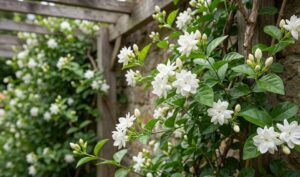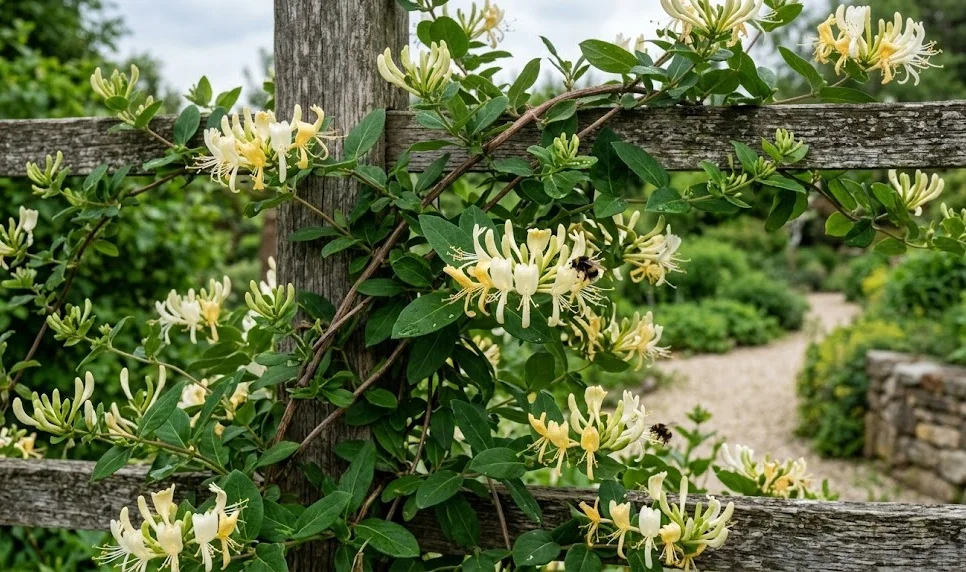

Light is the primary energy source for any plant, and finding the perfect balance for the Italian woodbine is essential for its health and flowering. While this species is quite adaptable, its performance varies significantly depending on the intensity and duration of the light it receives. A professional gardener understands that light management involves more than just picking a sunny spot; it requires an awareness of seasonal shifts and microclimates. Getting the lighting right is the first step toward a vine that is covered in fragrant blooms.
Ideally, this climber prefers a location that provides full sun to partial shade, which translates to at least six hours of direct light per day. In full sun, the plant will produce the most flowers and maintain a dense, compact growth habit. However, in regions with extremely hot summers, some afternoon shade can prevent the leaves from scorching and reduce the plant’s water needs. Finding the “sweet spot” where the plant gets enough light to bloom but not so much that it suffers from heat stress is a hallmark of expert gardening.
In contrast, an Italian woodbine grown in deep shade will often become leggy and sparse, with significantly fewer flowers. The plant will stretch toward any available light source, resulting in long, weak stems that lack the structural integrity of those grown in brighter conditions. Furthermore, the foliage in shady areas tends to stay damp for longer, increasing the risk of fungal diseases like powdery mildew. If your garden is predominantly shady, you may need to use reflective surfaces or strategic pruning to maximize the light that reaches the vine.
The quality of the light is just as important as the quantity, with different parts of the spectrum affecting growth in various ways. Morning sun is often considered the most beneficial, as it is less intense than the afternoon sun and helps dry the dew off the leaves quickly. This early light kickstarts the plant’s photosynthetic processes without the risk of high-temperature stress. A professional approach to site selection always takes into account the movement of the sun throughout the day and the entire year.
Evaluating the garden’s light environment
Before planting, it is worth spending a few days observing how the light moves across your garden at different times. Shadows from buildings, trees, and fences change significantly as the sun’s position shifts with the seasons. A spot that seems sunny in the height of summer might be in total shade during the spring when the plant is trying to wake up. This long-term perspective is necessary for ensuring the vine’s success over many years.
More articles on this topic
You can use a light meter for a more scientific assessment of the available light in a specific location. These tools measure the intensity of the light in foot-candles or lux, providing a more accurate reading than a simple visual estimate. This data allows you to compare different potential planting sites and choose the one that most closely matches the ideal requirements. Professional horticulturalists often use these measurements to troubleshoot issues with plants that are failing to thrive or bloom.
The orientation of the support structure also plays a role in how much light the entire plant receives. A trellis that runs north-to-south will get even light on both sides throughout the day, which is generally ideal for a uniform appearance. An east-to-west orientation may result in one side being significantly sunnier than the other, leading to lopsided growth. Thinking about these three-dimensional factors is a key part of professional garden design and plant management.
Reflected light from light-colored walls or water features can also boost the total amount of energy available to the plant. This can be a useful trick for growing sun-loving species in areas that might otherwise be slightly too shady. However, be cautious of excessive heat buildup near glass windows or dark metal surfaces, as this can lead to localized scorching. Managing these environmental reflections is part of the subtle art of high-level gardening.
Adapting care to the available light
If your Italian woodbine is already established in a less-than-ideal light situation, there are several professional techniques you can use to compensate. Selective pruning of nearby trees or shrubs can open up the canopy and allow more sunlight to reach the vine. This “crown thinning” is a common practice in mature gardens to revitalize understory plants. It requires a careful touch to maintain the health and beauty of the larger trees while helping the climber below.
More articles on this topic
The way you prune the vine itself can also influence light penetration into the inner parts of the foliage. By keeping the growth somewhat open, you allow light to reach the lower and inner stems, which prevents them from becoming bare and woody. This encourages a more even distribution of leaves and flowers throughout the entire height of the structure. A dense, overgrown vine is often its own worst enemy when it comes to light management.
Fertilization and watering should also be adjusted based on the light levels the plant receives. A plant in full sun will have a higher metabolic rate and will therefore require more water and nutrients to sustain its growth. Conversely, a plant in partial shade will grow more slowly and can be easily overwhelmed by excessive feeding. Matching the resource input to the energy output is a fundamental principle of professional horticultural management.
Ultimately, the goal is to create an environment where the Italian woodbine can reach its full genetic potential. While it can survive in a variety of lighting conditions, it truly thrives when it has access to bright, consistent sunlight. By paying close attention to the light dynamics of your garden, you can ensure a spectacular display of flowers year after year. Excellence in gardening is about understanding the basic physics of the environment and using it to the plant’s advantage.