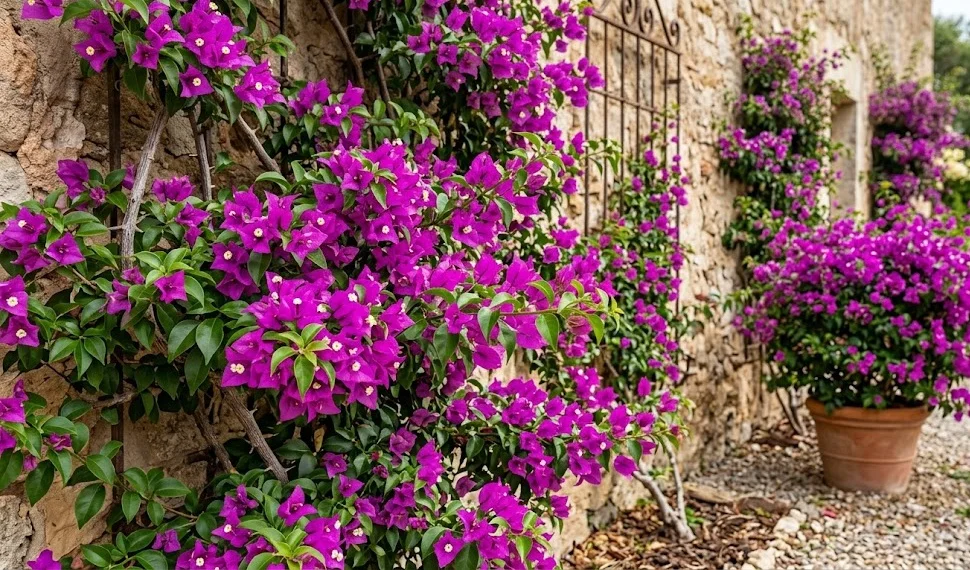

Mastering the irrigation schedule of a bougainvillea requires moving away from traditional watering routines used for standard garden plants. These resilient tropical vines absolutely thrive on a cycle of deep, thorough hydration followed by a distinct period of calculated dryness. Overwatering is the single most common mistake made by enthusiasts, leading quickly to dropped leaves, zero flowers, and eventually destructive root rot diseases. Training yourself to read the physical signs of the plant is far more effective than sticking to a rigid calendar schedule.
The fundamental rule of thumb is to allow the top two to three inches of soil to dry out completely before introducing water again. When you do irrigate, apply water generously until it runs freely out of the drainage holes at the bottom of the container. This deep watering method encourages the root system to grow downward into the cooler, deeper zones of the soil matrix. Shallow, frequent watering keeps the roots near the hot surface, creating a fragile plant that cannot handle environmental stress.
Visual cues from the foliage provide excellent indicators of when the plant is genuinely craving moisture. A slight softening or subtle drooping of the green leaves during the late afternoon suggests that soil moisture reserves are depleted. If the leaves recover fully by the following morning, the plant is managing its resources beautifully and does not require immediate intervention. Waiting for this initial sign of mild moisture stress actually triggers the hormonal pathways responsible for heavy bract production.
Environmental variations like temperature, humidity, and wind speeds directly impact how fast the soil dries out. During blistering summer heatwaves, a container-grown specimen might require thorough watering every couple of days due to rapid evaporation. Conversely, during cool, overcast autumn weeks, the same plant might comfortably go two weeks without a single drop of water. Always manually test the soil depth with your finger or a reliable moisture meter rather than guessing.
Irrigation adjustments across seasonal transitions
As the plant transitions through its annual life stages, its hydration requirements fluctuate dramatically to match its metabolic rate. In early spring, as fresh green shoots begin to emerge from winter rest, water should be introduced gradually to awaken the root system. Providing too much water too early can overwhelm the slow-moving roots and chill the soil unnecessarily. Maintaining a light, consistent moisture level during this vegetative push supports stable structural growth.
More articles on this topic
When the summer sun takes over and the plant enters its peak blooming phase, the watering strategy must shift toward strict discipline. To prolong the lifespan of the colorful bracts, keep the soil on the drier side of the spectrum without causing total dehydration. Flooding a plant that is covered in beautiful color can cause it to abruptly shed all its bracts in a defensive physiological response. Keeping the root zone lean and mean preserves the intensity of the colors for many weeks.
Autumn demands a systematic reduction in irrigation volume and frequency as daylight hours dwindle and temperatures begin to drop. This reduction signals to the internal clock of the vine that it is time to slow down and harden its wood for winter. Allowing the soil to remain dry for extended periods during late autumn helps prevent tender, late-season growth from developing. This strategic dehydration makes the entire structure far more resilient to upcoming temperature drops.
During the deep winter dormancy period, watering must be cut down to an absolute minimum to prevent root mortality. Indoor or sheltered plants require only enough moisture to keep the root ball from turning into a completely solid, dusty brick. Watering once every three to four weeks is often more than enough for a dormant specimen resting in a cool room. Using lukewarm water during winter prevents shocking the inactive roots and keeps the soil temperature stable.
The chemistry of balanced nutrient feeding
Providing the correct nutritional balance is a delicate art form when managing a plant that switches between vegetative and reproductive growth. High-nitrogen fertilizers must be avoided during the flowering season because they promote rapid leaf production at the direct expense of blooms. The ideal macronutrient ratio for this species favors phosphorus and potassium, which support root health and heavy flower development. A balanced, slow-release granules with an NPK ratio like 5-10-10 or 6-8-10 works brilliantly.
More articles on this topic
Micronutrients are just as crucial as major elements for maintaining the deep, healthy green coloration of the foliage. Iron and magnesium deficiencies are incredibly common, particularly in alkaline soils or when plants are grown in pots for long periods. A lack of iron manifests as interveinal chlorosis, where the leaves turn pale yellow while the veins remain dark green. Regular applications of chelated iron can quickly resolve this issue, restoring full photosynthetic capacity to the vine.
Magnesium deficiency shows up similarly but usually starts on the older, lower leaves of the branch first. Applying water-soluble Epsom salts (magnesium sulfate) dissolved in water is a time-tested, highly effective cure for this specific nutritional gap. Incorporating a handful of agricultural lime or dolomite into the soil mix can provide a steady, long-term source of calcium and magnesium. Keeping these secondary minerals balanced ensures the plant can synthesize enzymes required for robust structural development.
Organic amendments like well-rotted manure, bone meal, and kelp meal offer excellent alternative nutrition sources for sustainable growers. These materials break down slowly over time, feeding the soil microbiome while providing a gentle, non-burning stream of nutrients. Bone meal is exceptionally rich in natural phosphorus, making it an excellent top-dressing choice prior to the spring push. Combining organic matter with targeted mineral supplements creates a comprehensive feeding program that yields spectacular visual results.
Establishing an effective fertilization schedule
A professional feeding schedule begins in early spring as soon as the first signs of green growth break through the bark. Apply a balanced, slow-release fertilizer around the root zone to supply a steady stream of basic nutrients for the initial vegetative push. This gives the plant the raw resources needed to build strong new skeletal branches that will eventually bear color. Always scratch the granules gently into the top layer of soil and water the area thoroughly to activate the release mechanism.
As the plant transitions into its active blooming cycles during late spring and summer, supplement the slow-release base with liquid feeds. A water-soluble fertilizer formulated for flowering plants can be applied every two to three weeks at half the manufacturer’s recommended strength. This frequent, low-dose approach provides immediate access to phosphorus and potassium right when the plant is exerting immense energy forming bracts. Avoid applying liquid fertilizers to completely dry soil, as this can cause concentrated salt burn on the roots.
Stop all fertilizer applications completely by mid-to-late summer to allow the plant to naturally wind down its growth cycles. Feeding late in the season forces out soft, watery growth that has no time to mature before winter arrives. These weak stems are highly susceptible to frost damage and provide easy entry points for pests and winter molds. Allowing the nutrient levels in the soil to naturally deplete prepares the plant beautifully for its essential winter rest.
For ground-planted vines in warm climates, an annual application of organic compost around the drip line in early spring is often sufficient. Container specimens, however, require diligent adherence to the feeding schedule due to the limited volume of soil and constant leaching from watering. Flushing the container with pure, unfertilized water once every two months helps wash away built-up fertilizer salts that can damage root tips. This balanced, disciplined approach ensures continuous health without risking toxicity issues.
Correcting hydration and nutritional disorders
Recognizing the early warning signs of watering mistakes can save a prized specimen from irreversible decline or death. Overwatered plants exhibit yellowing leaves that drop prematurely from the stems, often starting from the bottom of the plant upwards. The soil will feel consistently muddy, and a distinct, sour odor may rise from the container, indicating root decay. To fix this, stop watering immediately, improve drainage holes, and prune away any blackened, mushy roots.
Underwatering manifests as crisp, dry, curled leaves that eventually turn brown and fall off the branches completely. The soil will pull away from the inner edges of the container, creating gaps that allow future water to run straight through without absorbing. To rectify severe dehydration, submerge the entire pot in a large tub of lukewarm water for thirty minutes to rehydrate the peat core. Once the soil expands and absorbs moisture again, remove the pot and let all excess water drain away completely.
Nutrient toxicities can be just as damaging as deficiencies if fertilizers are applied with an overly heavy hand. Nitrogen toxicity causes an explosion of massive, dark green leaves that are abnormally soft and weak, combined with a total absence of blooms. The edges of the leaves may also curl downward and exhibit scorched, brown margins from fertilizer salt accumulation. The remedy involves heavily flushing the soil with large volumes of clean water to wash out the excess nitrogen reserves.
Regularly inspecting the overall vigor, leaf texture, and color transitions of your vines allows you to make micro-adjustments before problems escalate. A healthy plant should feel firm, respond dynamically to light shifts, and produce structural wood that hardens steadily over the season. Keeping a simple garden log of your watering frequencies and fertilizer applications helps identify patterns and fine-tune your technique. With patience and keen observation, you can easily master the art of feeding and hydrating these magnificent tropical climbers.