
Light exposure is a foundational environmental factor that dictates the growth habit, structural strength, and essential oil synthesis of aromatic plants. While many Mediterranean herbs demand unrelenting full sun to survive, this particular species offers a unique and highly adaptable profile. It possesses the rare ability to grow successfully in environments ranging from bright sun to relatively deep woodland shade. Finding the perfect balance within this spectrum is crucial for maximizing both the aesthetic and chemical quality of your harvest.
Balancing full sun and partial shade exposure
Cultivating this herb in full sun locations stimulates rapid vegetative growth and maximizes the production of volatile essential oils. The intense solar radiation triggers the plant’s metabolic pathways to produce higher concentrations of menthol as a natural defense mechanism. However, full sun exposure comes with a significant trade-off, as it drastically increases the plant’s daily water consumption rates. In sunny spots, the soil can dry out rapidly, requiring a diligent and consistent irrigation schedule to prevent wilting.
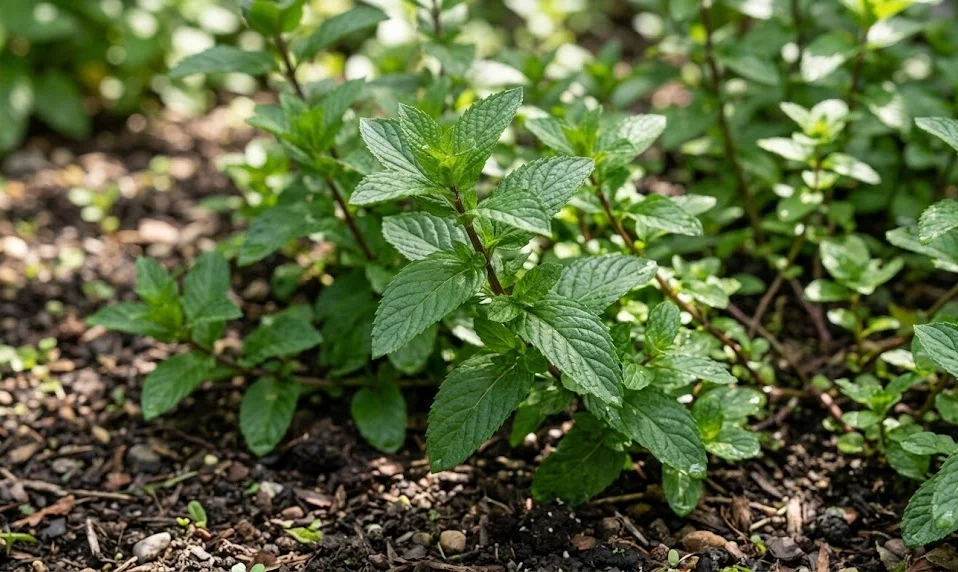
Partial shade, particularly during the blistering hours of the afternoon, is often considered the sweet spot for home cultivation. Morning sun provides the high-quality light necessary for robust photosynthesis while the afternoon shade protects the foliage from intense heat stress. Plants grown in partial shade retain their moisture much longer, reducing the overall workload for the gardener or agricultural manager. The leaves also tend to look larger, tenderer, and more vibrant green compared to sun-bleached counterparts.
When planted in deep, heavy shade under a dense tree canopy, the herb will adapt but exhibit noticeable changes. The growth habit becomes distinctly elongated and spindly as the stems stretch toward any available light source, a phenomenon called etiolation. The leaves grow smaller and further apart along the stem, and the overall yield of aromatic oils drops significantly. While the plant will survive due to its hardy nature, it will lack the lushness and potency found in brighter locations.
Seasonal adjustments to solar radiation shifts
Solar radiation levels shift dramatically throughout the calendar year, requiring gardeners to adapt their plant care strategies accordingly. In early spring, maximizing light exposure is essential for waking the dormant rhizomes and stimulating rapid early-season growth. As the sun sits lower in the sky, placing containers in unobstructed areas ensures they capture every bit of available warmth. This early light boost sets a strong foundation for the explosive growth that characterizes the late spring weeks.
More articles on this topic
During the peak of summer, the intensity of the sun can become excessive, even for sun-loving agricultural crops. Continuous exposure to intense, direct midday sun coupled with high temperatures can lead to leaf scorch and sun bleaching. The vibrant green foliage may take on a faded, yellowish, or bronze appearance as the chlorophyll molecules suffer damage. Providing temporary shade cloths or positioning containerized plants behind taller companion crops can offer vital protection during July and August.
As autumn approaches and the angle of the sun declines, light levels naturally decrease along with ambient temperatures. The plant begins to shift its metabolic focus from producing lush foliage to preparing its root system for winter. Ensuring the plants receive clean, unobstructed light during this late phase helps them store maximum carbohydrates in their underground rhizomes. Clean away any overhanging weeds or dead branches that might block the declining autumn sun from reaching the patch.
For indoor cultivation during the winter months, supplemental lighting is almost always required to keep the herb active. Standard window light in winter is rarely intense or prolonged enough to support healthy growth, leading to weak, spindly stems. Utilizing full-spectrum LED grow lights positioned a few inches above the plants can mimic summer sun effectively. Maintain a consistent light schedule of fourteen to sixteen hours a day to simulate the long days of the active growing season.
Impact of light quality on essential oil profile
Light quality, which refers to the specific wavelengths of light reaching the plant, has a profound impact on chemical synthesis. Plants possess sophisticated photoreceptors that detect variations in blue, red, and ultraviolet light within their immediate environment. These light signals trigger specific genetic responses that control the production of secondary metabolites, including essential oils. Understanding this relationship allows commercial growers to manipulate light environments to optimize the aromatic and medicinal potency of their yield.
More articles on this topic
Blue light wavelengths are particularly influential in stimulating leaf expansion, stomatal opening, and the development of dense, compact growth. It plays a critical role in the structural formation of the oil glands situated on the leaf surfaces. Red light wavelengths, conversely, promote stem elongation and play a major role in regulating the plant’s internal flowering clock. Balancing these two spectral components ensures that the plant develops a healthy structural form while maximizing its foliar density.
Ultraviolet radiation, specifically UV-B light, acts as a powerful environmental stressor that directly boosts essential oil accumulation. To shield its delicate cellular structures from UV damage, the plant synthesizes higher quantities of aromatic compounds like menthol. This is why plants grown at higher altitudes or in open, sunny fields often possess a more intense fragrance. Greenhouse growers frequently utilize specialized UV-transmitting plastics or supplemental lamps to replicate this natural stress response indoors.
Ultimately, managing light is about understanding how quality and quantity interact to shape the physical and chemical properties of crops. Regularly observing the color, structure, and scent of your herbs will tell you if they are receiving ideal light. Adjusting their position, pruning nearby shade-casting vegetation, or adding artificial lights are all effective ways to optimize the environment. By mastering light management, you unlock the full botanical potential of this remarkable, versatile, and highly rewarding aromatic herb.