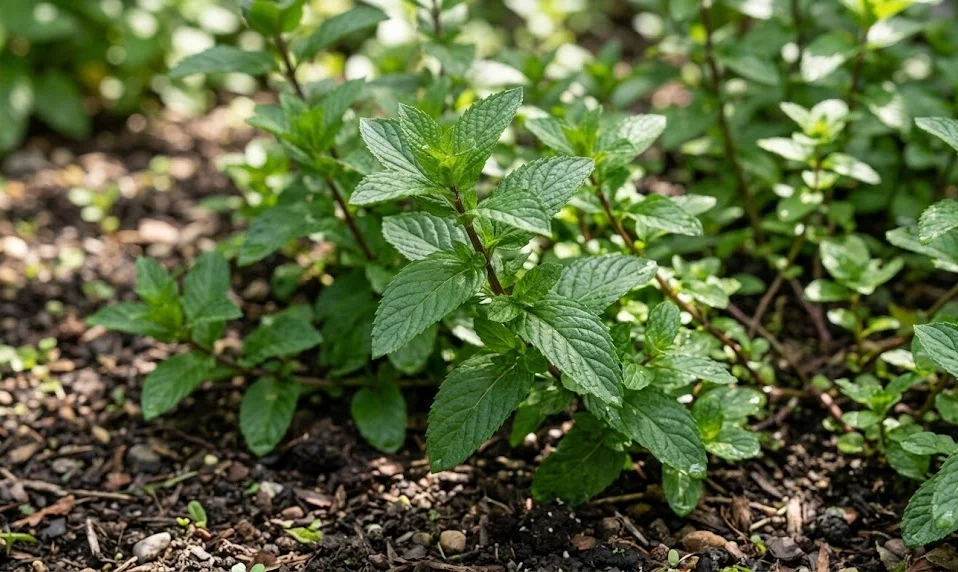

Pruning is a fundamental maintenance practice that directly shapes the growth form, health, and productivity of your herb garden. Without regular intervention, this vigorous species can quickly develop a leggy, untidy appearance with long, bare stems and sparse foliage. Implementing a systematic pruning routine stimulates the development of a dense, bushy canopy packed with high-quality leaves. Understanding the proper techniques allows you to guide the plant’s energy into producing maximum harvestable material throughout the season.
Stimulating bushy growth through regular pinching
The simplest and most frequent form of pruning is known as pinching, which targets the tender growing tips of the stems. Using your thumb and forefinger, or a small pair of sharp shears, snip off the top inch of a stem just above a pair of leaves. This simple action disrupts apical dominance, a hormonal process where the main tip suppresses the growth of lower buds. Once the tip is removed, the plant redirects its growth hormones to the lateral buds situated immediately below the cut.
Within a matter of days, these lateral buds will break and grow into two entirely new branches where only one existed before. Repeating this pinching process across the entire plant every few weeks creates an exponentially bushier growth habit over time. This increased density not only provides a significantly larger volume of leaves for harvest but also improves the plant’s appearance. Regular pinching also delays the onset of flowering, keeping the leaves at their peak flavor and aroma profile longer.
Pinching should begin early in the spring as soon as the young shoots reach a height of four to six inches. Starting early ensures that the plant develops a sturdy, multi-branched foundation that can support heavy vegetative growth later in summer. Avoid pinching late in the evening or during rainy weather, as open wounds heal best when exposed to dry air and sunlight. Incorporate the pinched tips directly into your daily cooking or dry them for future use so nothing goes to waste.
Mid-season rejuvenation and major cutbacks
As the summer progresses into mid-July, even well-maintained herb patches can begin to look tired, woody, or slightly overgrown. The lower leaves may naturally yellow and drop due to reduced light penetration through the dense outer canopy of stems. This structural decline is a clear signal that the plant requires a major mid-season rejuvenation pruning to restore its vitality. Executing a drastic cutback at this specific moment will completely revitalize the crop for a spectacular autumn harvest.
More articles on this topic
A mid-season rejuvenation involves cutting the entire plant back by one-half to two-thirds of its total height using sharp shears. Do not be afraid to be aggressive, as this resilient herb responds remarkably well to heavy pruning and recovers rapidly. Focus on removing any woody, leafless stems and clearing away dead material from the base of the plant. This drastic reduction opens up the entire structure, allowing fresh air and warming sunlight to penetrate deeply into the crown.
Immediately following a major cutback, it is vital to deliver a deep watering and an application of balanced organic fertilizer. The combination of hydration and nutrients provides the dormant underground buds with the energy necessary to spark explosive new growth. Within a week, you will observe an abundance of fresh, tender, brightly colored shoots emerging rapidly from the soil surface. This new growth will be cleaner, healthier, and completely free of the woody textures found in older stems.
This mid-season pruning technique is also an excellent tool for managing and suppressing widespread fungal outbreaks like mint rust. If a patch becomes heavily infected, cutting it down to the ground and removing the debris eliminates the pathogen source entirely. The subsequent growth that emerges is often completely healthy, provided you adjust your watering habits to minimize leaf moisture. This dual-purpose utility makes major cutbacks an indispensable practice for serious herb gardeners and commercial growers alike.
Final autumn pruning and tool sanitation
The final pruning session of the calendar year occurs in late autumn as the plant prepares to enter winter dormancy. This procedure focuses on cleaning up the vegetative structure to protect the plant from harsh winter conditions and seasonal diseases. Removing the spent summer growth prevents heavy snow or ice from flattening old stems over the crown, which can cause rot. A clean, structured autumn cutback simplifies spring maintenance and ensures a tidy appearance throughout the winter months.
More articles on this topic
Wait until the first hard frost has hit the area and caused the remaining foliage to wither and turn brown. Once the plant is completely dormant, use sharp loppers or hand shears to cut all stems down to within two inches of the soil line. Removing this dead biomass eliminates potential overwintering shelters for destructive insect pests like aphids and spider mites. It also removes the primary source of fungal spores that could otherwise lie dormant and infect new spring growth.
Tool sanitation is a critical aspect of the pruning process that must never be neglected to ensure long-term garden health. Pruning shears can easily transport microscopic fungal spores, bacteria, and viruses from an infected plant to a completely healthy one. Always wipe your blades with a solution of seventy percent rubbing alcohol or a diluted bleach mixture before and after pruning. Keeping your tools sharp is equally important, as clean cuts heal significantly faster than ragged, torn wounds caused by dull blades.
Collect all the pruned autumn material and dispose of it away from your garden beds, especially if diseases were present. Avoid adding heavily diseased plant material to standard cold compost piles, as the heat generated may not be sufficient to kill spores. Once the cleanup is complete, apply a protective layer of winter mulch over the freshly cut stems to insulate the roots. This final act of care completes the seasonal cycle, leaving your herb patch secure, healthy, and ready for winter.