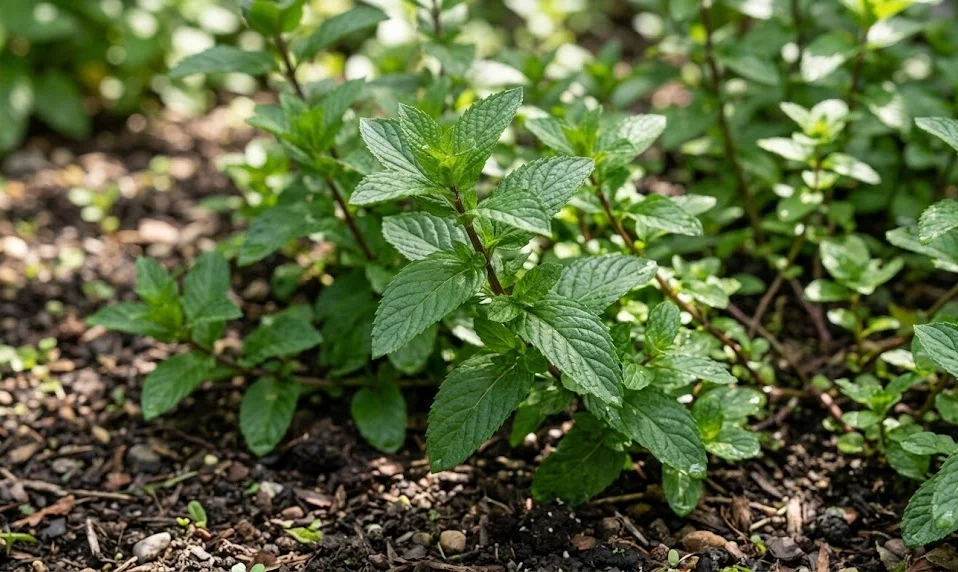

As the warmth of summer fades into the crisp air of autumn, perennial herbs must undergo crucial physiological transformations to survive. While this particular species is remarkably cold-hardy, proper overwintering care ensures that it returns with maximum vigor when spring arrives. Neglecting the patch during the late autumn transition can leave shallow root systems vulnerable to severe freezing damage and desiccation. Taking a few proactive steps before the first hard freeze sets the stage for future gardening success.
Preparing the root system for winter dormancy
The process of preparing your herbs for winter begins with a gradual reduction in maintenance inputs as daylight hours shorten. Stop applying any nitrogen-heavy fertilizers at least six to eight weeks before the anticipated date of the first hard frost. Late-season fertilization stimulates tender, watery new growth that is highly susceptible to freezing and can weaken the overall plant. Allowing the plant to naturally slow its growth rate helps it redirect valuable carbohydrates downward into the overwintering rhizomes.
Hydration management during the autumn months is another critical factor that directly influences winter survival rates in cold climates. While you should reduce watering frequency as the weather cools, the soil must never be allowed to dry out completely before freezing. Deliberately delivering a deep, thorough watering just prior to the first solid freeze provides a critical insulation barrier around the roots. Moist soil retains heat significantly better than dry soil, helping protect the delicate root tissues from extreme sub-zero spikes.
Conducting a final, comprehensive cleanup of the surrounding garden bed helps eliminate potential overwintering sites for pests and pathogens. Rake away fallen tree leaves, spent mulch, and any plant debris that could trap excessive moisture against the crown. This sanitation step is particularly important for preventing fungal spores from surviving the winter and infecting fresh spring shoots. A clean, well-prepared bed reduces disease pressure significantly and simplifies your early spring gardening chores.
Protective mulching and insulation techniques
Insulation is the primary defense mechanism used by gardeners to shield shallow root systems from the destructive forces of winter. In regions that experience severe freezing temperatures without consistent snow cover, applying a protective layer of mulch is absolutely essential. Snow acts as a natural insulator, but when it is absent, biting winter winds can freeze the ground deeply and rapidly. Choosing and applying the right insulation material will keep your herb patch safe through the coldest months.
More articles on this topic
Clean straw, shredded bark, evergreen boughs, or chopped leaves make excellent choices for insulating your dormant herb beds. Apply a thick layer, roughly three to four inches deep, directly over the entire root zone and the crown of the plant. This insulating blanket stabilizes soil temperatures, preventing the destructive cycle of freezing and thawing that can push rhizomes out of the earth. Ensure the material used is completely free of weed seeds to avoid creating a massive weeding chore next spring.
Soil heaving is a dangerous physical phenomenon caused by frequent temperature fluctuations where the ground expands and contracts repeatedly. This movement can snap delicate roots and expose the main rhizomes directly to freezing air and drying winter winds. A well-applied layer of organic mulch dampens these temperature swings, keeping the ground consistently frozen throughout the winter duration. This stability protects the physical integrity of the root system, ensuring a healthy and uniform emergence in spring.
In early spring, as temperatures begin to moderate and new growth stirs, the insulating mulch must be removed gradually. Leaving the heavy cover on too long can trap excessive moisture against the emerging shoots, leading to damping-off or rot. Pull the mulch back from the center of the plant to allow sunlight to warm the soil and stimulate growth. Once all danger of late hard frost has passed, the old mulch can be fully incorporated or replaced.
Overwintering containerized herbs indoors and outdoors
Containerized herbs require an entirely different overwintering strategy compared to their counterparts planted securely in the open ground. Because pots are elevated and surrounded by air, the roots enjoy no natural insulation from the surrounding earth mass. A pot left exposed to freezing winter winds can freeze solid within hours, killing the roots despite the plant’s inherent hardiness. Gardeners must choose between protecting the containers outdoors or moving them into a sheltered indoor environment for winter.
More articles on this topic
If you choose to keep your containers outdoors, they must be moved to a protected location out of direct wind. Placing pots against a south-facing brick wall can provide a beneficial microclimate that absorbs and radiates heat during the day. Grouping multiple containers together creates a collective thermal mass that resists rapid temperature drops more effectively than isolated pots. Wrapping individual containers in burlap, bubble wrap, or old blankets provides additional insulation to keep the root ball safe.
Alternatively, you can bury the entire container into an empty vegetable bed or a pile of mulch for the winter duration. This technique utilizes the earth’s natural geothermal warmth to protect the roots just like an in-ground planting would. Ensure the rim of the pot sits flush with the surrounding soil level, and cover the top with insulating straw. This outdoor burial method is highly effective and eliminates the need to find indoor space for your collection.
Moving containers indoors to an unheated garage, shed, or basement is an excellent option for areas with brutally harsh winters. The goal is to keep the plant dormant while protecting it from life-threatening sub-zero extremes and freezing drafts. Indoor overwintering requires minimal attention, but you must check the soil moisture occasionally to prevent total desiccation of the roots. Water sparingly, giving the pot just enough moisture to keep the soil from turning into dry dust before spring.
Post-winter revival and spring care transition
The arrival of spring brings the exciting task of reviving your overwintered herbs and transitioning them back to active growth. As daylight lengthens and daily temperatures rise, the dormant rhizomes will naturally begin to send up fresh, vibrant green shoots. This transition period is a critical window where focused care can dramatically accelerate the development of your early-season harvest. A structured approach to spring revival ensures that your herb patch reaches its full production potential rapidly.
Begin your spring routine by carefully inspecting the entire patch for any signs of winter damage or root rot. Gently pull back any remaining winter mulch to expose the soil surface to the warming rays of the sun. If you notice any soft, mushy, or blackened rhizomes, prune them away immediately to prevent rot from spreading further. This initial inspection allows you to assess the survival rate and plan any necessary structural adjustments or replanting.
Once the fresh green shoots reach a height of two to three inches, it is time to apply your first spring fertilizer. A top-dressing of rich, organic compost or an application of diluted liquid seaweed provides the perfect gentle nutrient boost. This early nutrition fuels rapid cellular division and helps the plant build a robust canopy of aromatic foliage quickly. Ensure the soil remains consistently moist but not waterlogged as the young roots expand into the warming earth.
If you overwintered containers indoors, gradually acclimate them to outdoor conditions over a week to avoid shocking the plants. Place them in a sheltered, partially shaded location for a few hours each day before moving them to full sun. This hardening-off process allows the tender indoor foliage to adjust to the intensity of direct sunlight and wind. With proper transition care, your overwintered herbs will quickly explode into a lush, aromatic bounty for summer.