
The success of garden catmint is fundamentally tied to the quality and duration of light it receives each day. As a plant that originates from open, sun-drenched environments, its physiological processes are optimized for high-intensity illumination. Understanding how light influences growth, flowering, and even the aromatic properties of the leaves is essential for any professional gardener. This article explores the specific light needs of catmint and how to manage them in different landscape settings.
Full sun for maximum performance
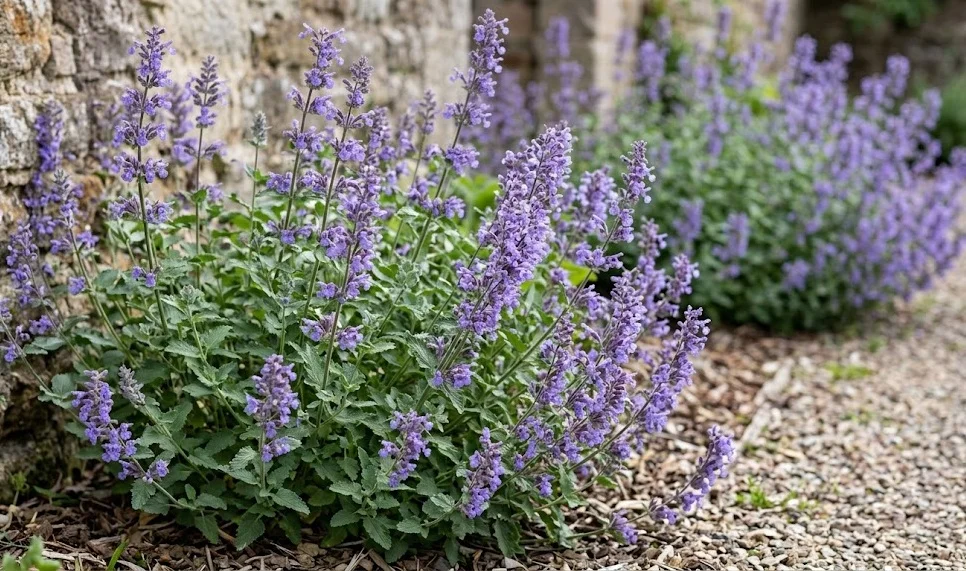
For the best results, garden catmint should be planted in a location that receives at least six to eight hours of direct sunlight every day. This high level of light is what triggers the plant to produce its characteristic dense, mounded habit and prolific flower spikes. In full sun, the stems remain strong and upright, supporting the weight of the blossoms without the need for staking. Professional landscape designs often feature catmint in south-facing borders where it can bask in the sun’s energy all day long.
Sunlight is also the driving force behind the production of the essential oils that give the plant its wonderful fragrance. Plants grown in bright light will have a much more intense aroma than those tucked away in the shade. The silver-gray hue of the foliage is another trait that is enhanced by high light levels, as the plant develops tiny hairs to protect itself from the sun. This color provides a beautiful cool contrast in a sunny garden that is hard to replicate with shade-loving species.
If you find that your catmint is becoming “leggy” or reaching toward a light source, it is a clear indication that it is not receiving enough sun. The internodes, or the spaces between the leaves on the stem, will lengthen as the plant tries to find more light. This results in a sparse, floppy appearance that lacks the visual impact of a sun-grown specimen. To correct this, you may need to move the plant to a brighter location or prune back overhanging branches from nearby trees.
Flowering duration and intensity are also directly linked to the amount of light the plant can capture throughout the season. In ideal sunny conditions, catmint will bloom continuously for many weeks and may even provide a second flush after a light shearing. Without enough light, the flower production will be significantly reduced, and the colors may appear more muted. Professional growers always prioritize sun exposure when selecting a site for this rewarding and beautiful perennial.
More articles on this topic
Managing partial shade conditions
While garden catmint is a sun-lover, many varieties can tolerate partial shade, which is defined as roughly four to six hours of sunlight. In these conditions, you may notice that the plant grows slightly more slowly and has a more relaxed, spreading habit. This can actually be a desirable trait in some naturalistic garden designs where a softer look is preferred. However, you must be prepared for the possibility that the plant will require more frequent pruning to keep it tidy.
In partial shade, the foliage often takes on a deeper green color as the plant produces more chlorophyll to compensate for the lower light levels. While this can be attractive, you lose some of the signature silvery shimmer that makes catmint so distinctive. The fragrance might also be more subtle, as the essential oil concentration is typically lower in shaded environments. It is a trade-off that gardeners must consider when placing these plants in less-than-ideal spots.
One challenge of growing catmint in partial shade is the increased risk of moisture-related issues like powdery mildew. Without the sun to quickly dry off the morning dew or rain, the leaves can stay damp for extended periods, creating a perfect environment for fungi. Professional gardeners mitigate this by ensuring the plants have even more space for air circulation in shaded areas. You should also be extra careful not to overwater, as the soil will stay moist longer in the shade.
If you must plant in a shaded area, look for specific cultivars that are known for their shade tolerance. While none will thrive in deep, dark shade, some hybrids are more adaptable than others to lower light levels. Always observe how the plant responds during its first season and be ready to move it if it seems to be struggling. A professional gardener is always willing to adjust their plans based on the actual performance of the plants in the landscape.
More articles on this topic
Light and seasonal changes
The angle and intensity of the sun change significantly throughout the year, affecting how your catmint receives light. In the early spring, when trees have not yet fully leafed out, a spot might seem much sunnier than it will be in mid-summer. It is important to observe your garden during different seasons to get an accurate picture of the light patterns. This foresight prevents you from being surprised when a previously sunny spot becomes shaded later in the year.
As summer progresses and the sun moves higher in the sky, the intensity of the light can become quite extreme. While catmint is very heat-tolerant, providing a little afternoon shade in very hot climates can actually help the flowers last longer. The intense midday sun can sometimes cause the delicate petals to fade or wither more quickly than they would in a slightly more protected spot. This is a nuanced technique used by professional gardeners in the warmest regions to extend the beauty of their borders.
In the autumn, as the light levels begin to wane, the plant’s growth will naturally slow down in response. This is a signal for the plant to start moving its energy down into the roots for the winter dormant phase. The changing light quality also affects the color of the foliage, which may take on deeper, richer tones before the first hard frost. Appreciating these subtle shifts in appearance is part of the joy of working with perennials that react so clearly to their environment.
Reflected light can also play a role in how catmint grows, especially in urban or paved garden settings. Light bouncing off a white wall or a light-colored patio can increase the total amount of energy reaching the plant. This can be a benefit in cooler climates but might lead to excessive heat buildup in warmer areas. Understanding these microclimatic factors allows you to fine-tune your planting locations for the best possible results in any garden.