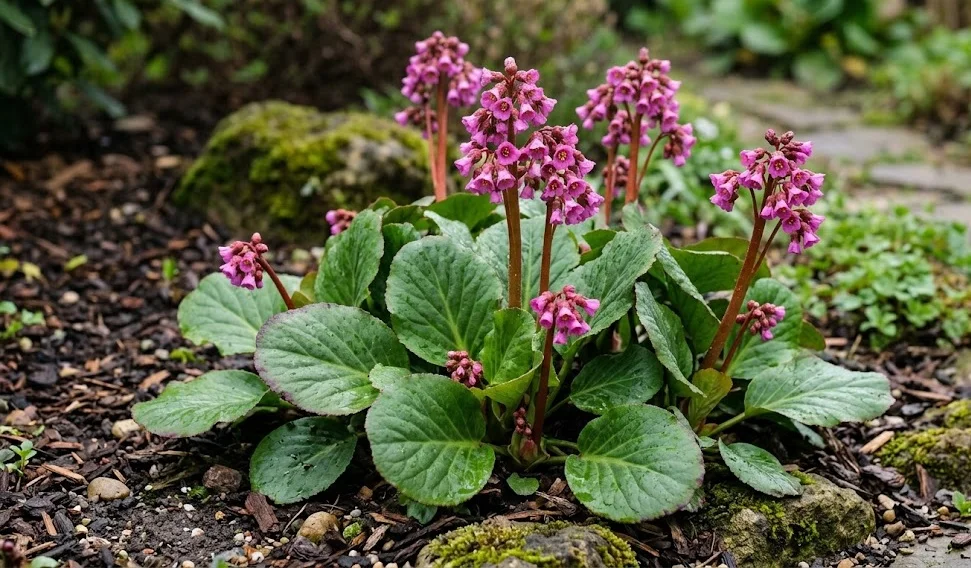

Protecting elephant’s ears from potential health threats is a critical aspect of professional garden management. While these plants are generally robust and resistant to many common issues, they are not entirely immune to the pressures of pests and diseases. Identifying a problem early can mean the difference between a minor aesthetic flaw and the loss of a significant portion of your ground cover. A proactive approach, combining regular inspections with targeted interventions, ensures that these architectural perennials remain a healthy and vibrant feature of the landscape year-round.
Common fungal infections and their management
Fungal issues are among the most frequent challenges faced by gardeners growing these large-leaved perennials, especially in damp or humid climates. Leaf spot is a common manifestation, appearing as circular or irregular brown patches that can eventually cause the entire leaf to wither. These pathogens thrive in environments where air circulation is restricted and the foliage remains wet for extended periods. To manage this, it is essential to remove and destroy any infected leaves as soon as they are detected to prevent the spores from spreading.
Powdery mildew is another fungal concern that can occasionally affect elephant’s ears, creating a dusty white coating on the surface of the leaves. While it rarely kills the plant, it can significantly detract from its visual appeal and reduce its overall vigor. Improving the spacing between plants and ensuring they are not overcrowded is a professional way to lower the humidity around the foliage. If the infection becomes widespread, the application of a sulfur-based treatment or a biological fungicide may be necessary to bring it under control.
Root and crown rot are more serious fungal conditions that typically result from overwatering or poorly draining soil. These diseases attack the plant from the ground up, causing the stems to turn mushy and the leaves to collapse. Once the crown is severely affected, the plant can be very difficult to save, making prevention through proper site selection the most effective strategy. If you suspect rot, it is best to lift the plant, cut away the diseased sections, and replant the healthy parts in fresh, well-draining earth.
The use of organic mulches, while beneficial for moisture retention, can sometimes harbor fungal spores if not managed correctly. It is important to keep mulch away from the direct contact point where the plant’s stems emerge from the soil. This “breathing room” around the crown reduces the risk of moisture-loving fungi gaining a foothold. Professional gardeners often refresh the top layer of mulch annually to ensure it remains clean and does not become a breeding ground for unwanted pathogens.
More articles on this topic
Identifying and treating bacterial issues
Bacterial leaf blight is a less common but potentially more devastating issue that can affect the appearance of elephant’s ears. It often begins as water-soaked spots on the leaf margins that quickly turn brown and papery, sometimes with a yellow halo. Bacterial diseases are frequently spread by splashing water or contaminated gardening tools, making hygiene a top priority. Cleaning your shears with a mild disinfectant between plants is a simple but effective professional habit to prevent cross-contamination.
Managing a bacterial infection often requires a combination of cultural adjustments and the removal of affected tissue. Unlike fungal issues, bacterial problems can be difficult to treat with standard sprays once they have entered the plant’s vascular system. The best course of action is often to prune out the infected leaves during dry weather when the bacteria are less likely to spread. Ensuring the plants have adequate nutrition can also boost their natural immune systems, making them more resilient to bacterial attacks.
Environmental stress, such as extreme heat or physical damage, can create entry points for opportunistic bacteria. Protecting the large leaves from mechanical injury, like that caused by heavy hail or rough handling, is a proactive way to maintain plant health. If a bacterial issue is recurring in a specific part of the garden, it may be necessary to reconsider the local drainage or light levels. A professional gardener looks at the whole environment to understand why a plant might be susceptible to infection.
Soil-borne bacteria can also impact the health of the rhizomes, leading to a slow decline in the plant’s growth over several seasons. If a plant appears stunted despite proper watering and fertilization, a closer inspection of the root system may be required. Healthy rhizomes should be firm and free of any soft, foul-smelling areas that would indicate a bacterial infection. Maintaining a healthy soil microbiome through the use of compost and organic matter is one of the best long-term defenses against harmful bacteria.
More articles on this topic
Pest management for broad-leaved perennials
The most persistent pest for many growers of these plants is the vine weevil, whose larvae can do significant damage to the roots and rhizomes. While the adult beetles notch the edges of the leaves, it is the subterranean grubs that pose the greatest threat by hollowing out the plant’s base. If you notice a plant suddenly wilting even though the soil is moist, it is worth checking the roots for these small, C-shaped white larvae. Biological control using beneficial nematodes is a professional and environmentally friendly way to manage vine weevil populations.
Aphids can occasionally target the tender new growth and flower spikes in the spring, sucking the sap and causing the leaves to curl. While a small number of aphids is usually not a concern, a large infestation can weaken the plant and encourage the growth of sooty mold. A strong blast of water from a garden hose is often enough to dislodge the pests without the need for chemicals. Encouraging natural predators like ladybugs and lacewings in your garden provides a long-term, sustainable solution to aphid management.
Spider mites are another potential pest, particularly during hot, dry summer months when the plants may be slightly stressed. These tiny arachnids live on the undersides of the leaves, creating fine webbing and causing the foliage to look speckled or bronzed. Increasing the humidity around the plants and ensuring they are well-hydrated can make the environment less attractive to mites. If treatment is necessary, an insecticidal soap or a neem oil solution can be very effective when applied thoroughly to both sides of the leaves.
Thrips are small, slender insects that can cause silvery streaks or distorted growth on the leaves and flowers. They are often difficult to see with the naked eye, but their damage is quite distinctive and can ruin the aesthetic of a prize specimen. Blue or yellow sticky traps can be used to monitor their presence and help reduce their numbers. A professional approach to pest management involves a combination of observation, cultural practices, and the judicious use of targeted treatments when necessary.
Managing slugs and snails
Because elephant’s ears are often grown in the shady, damp spots that slugs and snails love, they can be frequent targets for these gastropods. The large, succulent leaves provide both food and shelter, leading to unsightly holes and silver slime trails across the foliage. While the damage is often purely cosmetic, a severe infestation can significantly reduce the photosynthetic area of the plant. Professionals use a variety of strategies to keep these pests under control without relying solely on harsh chemical pellets.
Barriers can be a very effective way to protect individual plants or entire beds from slug and snail damage. Copper tape around the rim of pots or a border of crushed eggshells or grit can deter them from crossing over to the plants. These physical deterrents are most successful when maintained regularly and kept clear of debris that might provide a bridge for the pests. Another effective method is the use of beer traps, which lure the slugs away from the foliage and into a container where they can be removed.
Hand-picking is a simple yet highly effective way to manage populations, especially if done in the late evening or early morning when the pests are most active. This direct intervention allows you to assess the extent of the problem and remove the largest offenders immediately. Encouraging natural predators like toads, frogs, and ground beetles in the garden creates a more balanced ecosystem where slug numbers are kept in check naturally. A professional gardener understands that a healthy garden is one that supports a diverse range of life.
Iron phosphate pellets are a safer alternative to traditional metaldehyde baits, as they are non-toxic to pets and wildlife. These pellets disrupt the feeding habits of slugs and snails, causing them to retreat and die without leaving a messy trail. When using any form of bait, it is important to apply it sparingly and only when the weather conditions are conducive to pest activity. By integrating multiple control methods, you can keep your elephant’s ears looking pristine throughout the entire growing season.
Integrated pest and disease management
Professional garden care is moving away from reactive spraying toward a more holistic approach known as Integrated Pest Management (IPM). This philosophy emphasizes the importance of prevention, monitoring, and the use of the least disruptive control methods first. By maintaining the health of your elephant’s ears through proper watering, feeding, and site selection, you make them inherently less attractive to pests and diseases. A stressed plant is always more vulnerable than a healthy, well-supported one.
Regular scouting is the foundation of any good management plan, as it allows you to catch issues while they are still manageable. Spend a few minutes each week looking closely at your plants, checking for new spots, notches, or any unusual changes in color. Keeping a garden journal can help you track when certain pests appear or when disease symptoms first show up each year. This data allows you to anticipate problems and take preventive action before they become serious.
Diversity in the garden is another key component of a professional strategy to reduce pest and disease pressure. Avoid planting large monocultures of a single species, as this makes it easier for pathogens and insects to move from one plant to another. Interspersing elephant’s ears with different types of perennials and shrubs can break up the habitat and support a wider range of beneficial organisms. This ecological approach leads to a more resilient and self-sustaining landscape that requires less human intervention.
Finally, knowing when to accept a small amount of damage is a sign of a seasoned and professional gardener. No garden will ever be completely free of insects or minor blemishes, and a few holes in a leaf do not necessarily mean the plant is in danger. Focus your energy on managing the overall health of the colony rather than striving for artificial perfection. By working with nature rather than against it, you can enjoy the beauty of elephant’s ears in a way that is both sustainable and rewarding.