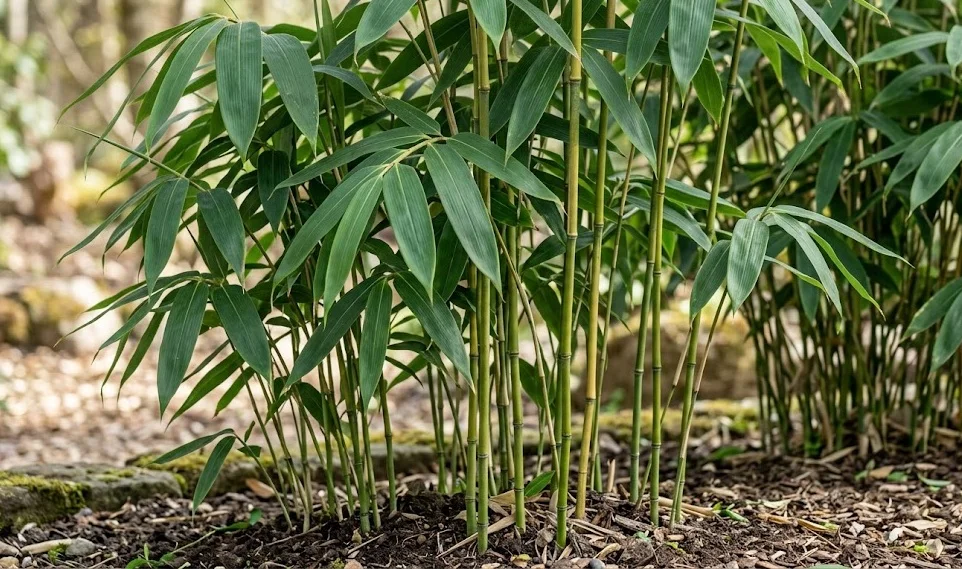

Preparing Japanese arrow bamboo for the winter months is a vital task for any professional gardener operating in temperate or cool-temperate zones. Although this species is remarkably cold-hardy, the combination of freezing temperatures, desiccating winds, and heavy snow can test its structural and physiological limits. A strategic approach to overwintering focuses on protecting the delicate root system and preserving the evergreen foliage to ensure a rapid recovery in the spring. By implementing specific insulation and hydration techniques, one can maintain the vibrancy of the bamboo even through the harshest winter conditions.
Understanding cold tolerance and physiology
The cold hardiness of Japanese arrow bamboo is generally rated down to approximately minus fifteen to minus twenty degrees Celsius, though this can vary based on local conditions. At these temperatures, the plant’s metabolic activity slows significantly, but its evergreen leaves continue to lose moisture through a process called transpiration. The primary challenge of winter is not just the cold itself, but “physiological drought,” where the roots cannot absorb water from the frozen ground to replace what the leaves are losing. Professional care involves recognizing this dynamic and taking steps to minimize the moisture deficit throughout the dormant season.
As the days shorten and temperatures drop in the fall, the bamboo begins a natural hardening process where it accumulates sugars and proteins to protect its cells from freezing. This transition is crucial for the plant’s survival, and any late-season fertilization that encourages soft, new growth can disrupt this cycle. A well-hardened plant is much more resilient to sudden temperature drops than one that is still actively growing. Understanding the timing of this dormancy allows the gardener to schedule the final maintenance tasks of the year effectively.
In regions with prolonged deep freezes, the above-ground culms may suffer from dieback even if the underground rhizomes remain healthy and viable. This is often an aesthetic issue rather than a fatal one, as the plant will typically send up new shoots from the base once the weather warms. However, for those using the bamboo as a privacy screen, preserving the existing foliage is a priority. Monitoring the local weather patterns and being prepared for extreme events is a key part of professional winter management.
The age and size of the bamboo stand also influence its ability to withstand winter stress. Larger, more established groves have a greater thermal mass and deeper root systems, making them inherently more stable than young, newly planted specimens. For plants in their first or second year, extra precautions are almost always necessary to ensure they survive their first winter. By treating each specimen according to its specific needs and location, the gardener can ensure the entire collection remains intact.
More articles on this topic
Root zone insulation and mulching
The root system is the most critical part of the bamboo to protect, as it contains the energy reserves and the buds for next year’s growth. A thick layer of organic mulch is the single most effective tool for insulating the rhizomes against the fluctuating temperatures of the winter soil. Ideally, a mulch layer of ten to fifteen centimeters should be applied before the first hard freeze, covering the entire area where the roots are likely to be present. This “blanket” slows the freezing and thawing cycles of the soil, which can otherwise heave the plants out of the ground and damage the delicate feeder roots.
Materials such as wood chips, bark, straw, or even shredded leaves make excellent winter mulch for bamboo. As these materials slowly break down, they also contribute to the long-term health of the soil by adding organic matter and supporting beneficial microorganisms. It is important to ensure the mulch is spread evenly and does not pile up directly against the culms, which could trap too much moisture and lead to rot. A professional gardener checks the mulch depth periodically throughout the winter to ensure it has not been dispersed by wind or heavy rains.
In particularly cold climates or for containerized plants, additional insulation may be required to keep the root ball from freezing solid for too long. Wrapping pots in bubble wrap, burlap, or specialized thermal blankets can provide an extra few degrees of protection that may be the difference between survival and death. For ground-level plantings, a temporary layer of evergreen boughs or straw can be placed over the base of the plant for added warmth. These measures are especially important during “polar vortex” events or unseasonably cold snaps.
Proper drainage during the winter is also a factor in root health, as sitting in cold, waterlogged soil can be just as damaging as a deep freeze. If the planting site tends to collect water during the winter thaws, it may be necessary to create small diversion channels to direct excess moisture away from the bamboo. A well-insulated but well-drained root zone provides the stable environment the plant needs to remain dormant without suffering structural damage. When the roots are protected, the plant’s ability to recover in the spring is virtually guaranteed.
More articles on this topic
Foliage preservation and wind protection
The large, flat leaves of Japanese arrow bamboo are its most beautiful feature, but they are also highly vulnerable to “windburn” during the winter. Cold, dry winds can strip moisture from the leaves much faster than the roots can replace it, especially when the ground is frozen. This results in the leaves turning brown and crispy, a condition that can ruin the look of the plant until the new growth appears in late spring. Providing a physical barrier to break the wind is a professional standard for protecting high-value or exposed bamboo specimens.
Strategic placement during the initial design of the garden can solve many wind-related issues, but for existing plants, temporary solutions may be needed. Constructing a simple frame around the bamboo and wrapping it with burlap or specialized garden fabric can provide significant protection from the elements. This wrap should be secure enough to withstand gales but breathable enough to prevent heat and moisture from building up inside. Avoid using plastic films directly against the foliage, as these can trap heat on sunny days and cause the leaves to “cook.”
For very tall bamboo or large hedges where wrapping is impractical, an anti-desiccant spray can be applied to the leaves in late fall and again in mid-winter. These sprays create a thin, waxy coating that reduces the rate of transpiration without interfering with the plant’s natural breathing. Anti-desiccants are a favorite tool for professional landscapers who want to keep evergreen foliage looking green and healthy through the winter. It is important to apply these products on a dry, calm day when temperatures are above freezing for the best results.
Snow management is another aspect of foliage preservation, as heavy, wet snow can weigh down the culms and cause them to bend or snap. While the culms of Japanese arrow bamboo are relatively flexible, they have their limits, especially when they are older or thinner. Gently shaking the snow off the branches after a heavy storm can prevent structural damage and keep the plant upright. In areas with frequent heavy snow, some gardeners provide permanent support structures or wires to help the bamboo carry the extra weight.
Spring recovery and post-winter care
The transition from winter to spring is a delicate time for Japanese arrow bamboo as it begins to wake up from its dormant state. As the soil warms and the ground thaws, the plant will slowly begin to move water and nutrients back up into the culms. This is the time to assess the winter damage and determine which parts of the plant need attention. Professional gardeners wait until they see the first signs of new growth before doing any major pruning, as it is often difficult to tell which culms are truly dead and which are just temporarily brown.
If the leaves have turned brown due to windburn or cold, they will eventually drop off as the plant pushes out new foliage in the spring. Removing these dead leaves from the ground is an important sanitation task that helps prevent the buildup of pests or diseases as the weather warms. If the culms themselves have died back to the ground, they should be cut back to the soil level to make room for the new shoots that will soon emerge. Often, the plant will respond to winter dieback with a particularly vigorous flush of new growth.
Watering becomes a priority once again as the plant enters its active growth phase in the early spring. Providing a deep, thorough soaking as the ground thaws ensures that the plant has the hydration it needs to support the rapid expansion of new culms. This is also the ideal time to apply a balanced, slow-release fertilizer to give the bamboo a nutrient boost for the coming season. Removing the winter protection, such as burlap wraps or extra straw, should be done gradually to avoid shocking the plant with sudden exposure to sun and wind.
Finally, documenting the plant’s performance during the winter helps in refining the care routine for future years. Notes on which protective measures worked best and which areas of the garden suffered the most damage are invaluable for a professional gardener. Over time, this experience allows for the creation of a customized overwintering plan that is perfectly suited to the specific microclimate of the garden. A successfully overwintered Japanese arrow bamboo is a testament to the foresight and dedication of its caretaker.