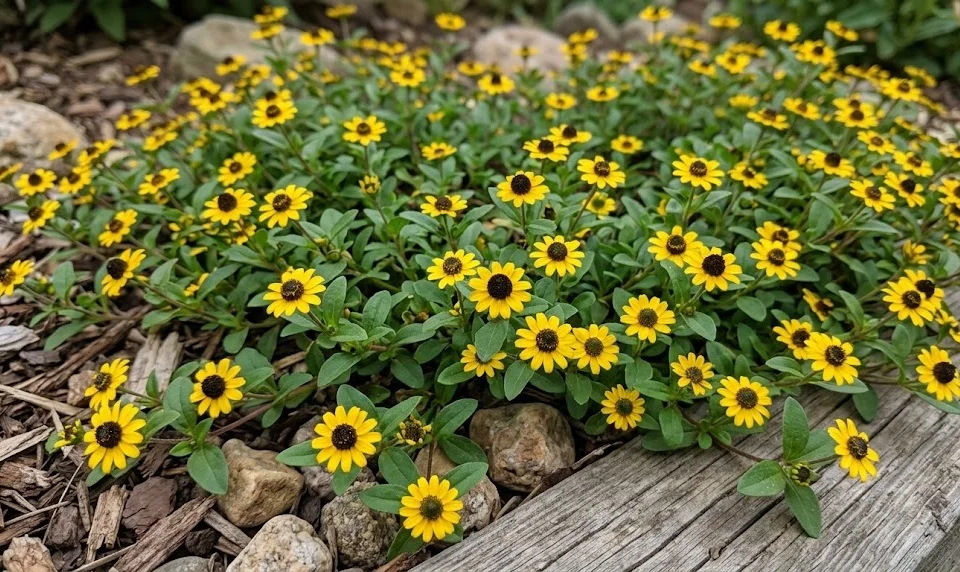

Managing the hydration and nutritional intake of creeping zinnia is a delicate balance that requires observation and a professional touch. While these plants are known for their ability to withstand heat and moderate dry spells, they still require a consistent supply of resources to produce their best floral display. Water and fertilizer work together to build strong cellular structures and fuel the continuous production of new buds. Understanding how to provide these elements effectively will ensure your garden stays lush and vibrant from the first days of summer through the end of the season.
Establishing a watering routine
The initial period after planting is the most critical time for moisture management, as the roots are still limited to a small area. You should aim to keep the soil consistently moist but never soggy during the first two weeks of the plant’s life in the garden. This encourages the roots to grow deep and wide into the surrounding soil, searching for new sources of water. As the plant matures and the root system expands, you can gradually reduce the frequency of your watering sessions.
Once established, creeping zinnia prefers a “soak and dry” approach to irrigation, which mimics its natural environment. Instead of giving the plants a light sprinkle every day, provide a deep watering once or twice a week depending on the weather. This method ensures that moisture reaches the lower levels of the soil where the deeper roots reside. You will find that plants treated this way are much more resilient during unexpected heatwaves or dry periods.
It is always best to water your plants in the early morning hours before the heat of the day sets in. This allows the foliage to dry off quickly in the sun, which significantly reduces the risk of fungal infections or leaf spots. If you must water in the evening, try to apply the water directly to the soil surface rather than splashing it over the leaves. Using a soaker hose or a drip irrigation system is an excellent way to deliver moisture precisely where it is needed most.
During the height of summer, container-grown plants will naturally dry out much faster than those in the ground. You might find it necessary to check your pots and hanging baskets daily, especially if they are located in very windy or exposed spots. If the soil feels dry to the touch an inch below the surface, it is time to give the plant a drink. Being proactive with your watering during extreme weather will prevent the plants from becoming stressed and losing their beautiful blooms.
More articles on this topic
Importance of proper drainage
While moisture is essential, the ability of the soil to shed excess water is just as important for the long-term health of the plant. Creeping zinnia is highly susceptible to root rot if it is forced to sit in stagnant, waterlogged soil for extended periods. This is why site selection and soil preparation focus so heavily on the structural porosity of the planting medium. If you notice water pooling on the surface after a rain, it is a clear sign that the drainage needs professional attention.
In container gardening, always ensure that your pots have multiple drainage holes in the bottom to allow water to escape freely. You should avoid using saucers that hold standing water under the pot, as this can lead to “wet feet” and subsequent root decline. If you must use a saucer for indoor or patio plants, empty it shortly after watering once the excess has finished draining. This small habit can make a massive difference in the overall vitality and lifespan of your flowers.
Raised beds are an excellent solution for gardeners dealing with heavy clay soil that naturally holds too much moisture. By elevating the planting area, you can control the soil mix and ensure that gravity helps pull excess water away from the root zone. This creates a much more forgiving environment for the plants, especially during seasons with higher-than-average rainfall. It also makes maintenance easier, as the plants are closer to eye level and the soil remains loose and uncompacted.
You can further enhance drainage by incorporating coarse sand or perlite into your potting mixes or garden beds. These materials create large air spaces in the soil, which are vital for root respiration and the movement of water. Even in a well-draining spot, a heavy downpour can sometimes temporarily saturate the ground, so having these amendments in place provides a safety net. Healthy roots need a balance of both water and oxygen to function correctly and support the upper growth of the plant.
More articles on this topic
Nutrient requirements for continuous blooming
To maintain a heavy crop of flowers for several months, creeping zinnia requires a steady supply of high-quality nutrients. While it is not an overly “hungry” plant, it does benefit from a regular feeding schedule throughout the growing season. Nitrogen is important for lush green foliage, but phosphorus and potassium are the real keys to abundant and vibrant flowers. A balanced, water-soluble fertilizer formulated for flowering plants is usually the best choice for this species.
You can begin your fertilization program a few weeks after the plants have been moved to their permanent home and show signs of new growth. Applying a diluted fertilizer every two to three weeks is generally sufficient to keep them performing at their peak. It is important to follow the manufacturer’s instructions regarding the concentration to avoid chemical burns on the roots. Always apply liquid fertilizer to moist soil rather than bone-dry ground to ensure even distribution and absorption.
If you prefer a lower-maintenance approach, slow-release granular fertilizers can be mixed into the soil at planting time. These products break down over several months, providing a constant but gentle stream of nutrients as the plants grow. This method is particularly useful for busy gardeners or for large landscape plantings where frequent liquid feeding would be impractical. You might still want to supplement with a quick-acting liquid feed once or twice during the mid-summer peak for an extra boost.
Over-fertilizing can sometimes result in a lot of dark green leaves but very few of the golden yellow flowers you desire. If you notice the plants getting very large and leafy but the bloom count is dropping, it might be time to scale back the nitrogen. The goal is to support the natural life cycle of the plant rather than forcing excessive vegetative growth that it cannot sustain. A balanced approach leads to the most aesthetically pleasing and healthy garden display.
Organic options for soil enrichment
Many professional gardeners prefer to use organic methods to provide nutrients and improve the overall health of the soil ecosystem. Incorporating well-aged compost or leaf mold into the beds before planting is one of the best things you can do for your zinnias. These materials not only provide essential elements but also improve the soil’s ability to hold onto moisture while still draining well. Organic matter also supports beneficial soil microbes that help the plants absorb nutrients more efficiently.
Seaweed extracts and fish emulsions are popular liquid organic fertilizers that provide a wide range of trace minerals and growth hormones. These products can be used as a soil drench or a foliar spray to provide a quick pick-me-up for plants that look a bit tired. While they may have a stronger scent than synthetic options, the benefits they provide to the long-term health of the garden are undeniable. They encourage strong root development and help the plants better withstand environmental stresses like heat or drought.
Mulching with organic materials like shredded bark or cocoa hulls also contributes to the nutritional profile of the soil as they decompose. As these materials break down, they slowly release small amounts of organic compounds back into the earth for the plants to use. Mulch also helps keep the soil temperature consistent, which reduces stress on the roots and prevents nutrient lockout during extreme heat. It is a multi-purpose tool that every serious gardener should have in their maintenance kit.
Building healthy soil is a long-term process that pays dividends in the form of more resilient and beautiful plants. By avoiding harsh chemicals and focusing on biological health, you create a garden that is safer for pollinators and more sustainable over time. Creeping zinnia responds very well to these natural methods, often showing more vibrant colors and sturdier stems. It is a rewarding experience to see your garden thrive using the simple power of nature’s own recycling systems.
Monitoring for signs of over or under feeding
Becoming an expert in plant care involves learning how to read the subtle signals that your flowers are giving you. If the lower leaves are starting to turn a pale yellow, it often indicates a need for a bit more nitrogen or general nutrients. On the other hand, if the tips of the leaves look scorched or brown, you may have applied too much fertilizer too quickly. Regularly inspecting your plants allows you to make small adjustments to your routine before any major damage occurs.
The overall color of the foliage should be a vibrant, healthy green that looks full of life. If the plants appear stunted or the new leaves are very small, it might be time to check the soil pH or increase the feeding frequency. Sometimes, a lack of flowers is simply due to the plant putting all its energy into surviving a period of poor nutrition. Once you provide the necessary elements, you will often see a dramatic turnaround in growth and blooming within just a week or two.
Pay attention to how the plants respond to different types of fertilizer to find what works best in your specific garden environment. Soil types can vary wildly even within a single neighborhood, so what works for a neighbor might not be perfect for you. Keeping a simple garden journal can help you track your applications and the subsequent results over the course of the season. This professional habit turns gardening into a science and ensures consistent success year after year.
Remember that environmental factors like heavy rain can wash away nutrients, especially in sandy soils or container mixes. If you have experienced a particularly wet week, your plants might appreciate a light feeding to replace what was lost to leaching. Being attentive to these external influences shows a high level of expertise and dedication to your craft. With the right balance of water and food, your creeping zinnias will remain a highlight of your outdoor space until the very end of their cycle.