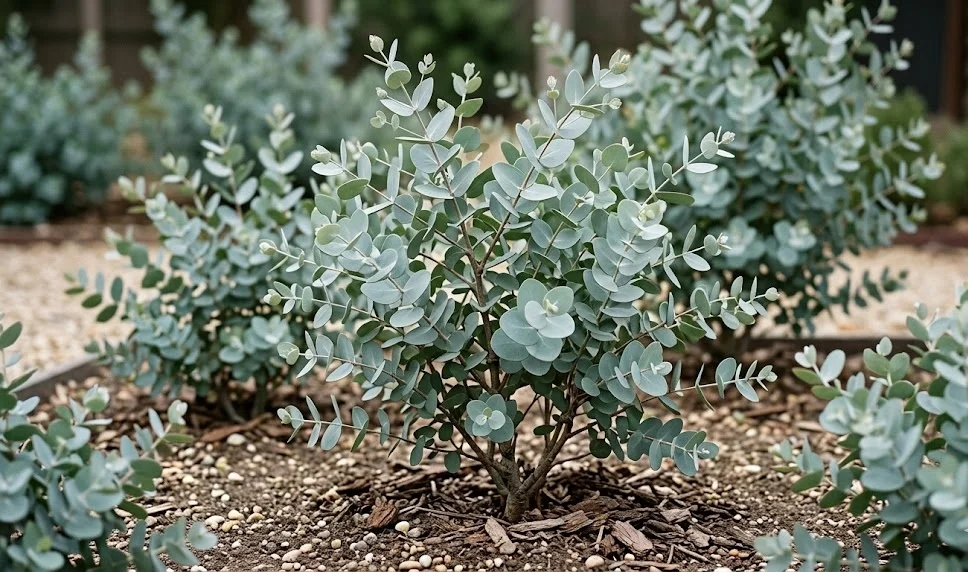

Proper hydration and nutrient management are the twin pillars of maintaining a healthy and resilient cider gum tree in any garden setting. While these trees are known for their durability, they have specific needs that vary significantly based on their age and the local environmental conditions. Understanding when and how to provide water and food will prevent common problems and promote a lush, vibrant canopy of silvery leaves. A professional approach to these tasks ensures that your tree remains a standout feature of your landscape for years.
In the early stages of a cider gum’s life, the focus must be on consistent moisture to help the root system establish itself in the new soil. Young trees do not yet have the deep roots necessary to tap into underground water reserves, making them vulnerable to dry spells. You should check the soil moisture regularly, especially during the first two growing seasons, to ensure it doesn’t dry out completely. However, it is equally important to avoid overwatering, as the roots require oxygen and can easily rot in saturated conditions.
As the tree matures, its water requirements generally decrease as it becomes more self-sufficient and drought-tolerant. Mature specimens are remarkably efficient at finding moisture, but they will still appreciate supplemental watering during extended periods of extreme heat or drought. You might notice the leaves starting to droop slightly or lose their characteristic luster when the tree is under significant water stress. Providing a deep, thorough soaking rather than frequent light sprinkles is the most effective way to help a mature tree through dry times.
The role of fertilization is to provide the essential building blocks that the tree needs for growth, leaf production, and overall health. Cider gums are not typically heavy feeders, but they do benefit from a balanced application of nutrients, especially in poorer soils. You should aim to support the tree’s natural growth cycles by providing the right type of fertilizer at the most beneficial times of the year. This proactive approach helps the tree maintain its vigor and better resist potential pests or diseases.
Hydration strategies for young trees
When a cider gum is first planted, it essentially functions like a container plant until its roots grow out into the surrounding landscape. This means that you must provide a dedicated source of water directly to the root ball for several months. A slow-release watering bag or a simple drip irrigation system can be incredibly effective for providing a steady supply of moisture without wasting water. You should aim to keep the soil consistently damp but never soggy, allowing the top inch to dry out slightly between waterings.
More articles on this topic
Seasonal changes will dictate how often you need to reach for the hose or turn on the irrigation system. During the spring, as the tree enters its most active growth phase, its demand for water will naturally increase to support new foliage. In the summer, evaporation rates are higher, so you may need to water more frequently to compensate for the loss of surface moisture. Always water early in the morning or late in the evening to minimize evaporation and ensure the water reaches the roots where it is needed most.
The type of soil you have will also influence your watering schedule and the amount of water required each time. Sandy soils drain very quickly and will need more frequent, smaller applications of water to keep the tree hydrated. Clay soils, on the other hand, hold onto moisture for much longer and can become waterlogged if you are not careful with your watering habits. Testing the soil depth with a finger or a moisture meter is a simple way to determine if it is truly time to provide more water.
As the tree grows and its canopy expands, you should gradually move your watering points further away from the trunk. The most active water-absorbing roots are located near the “drip line” of the tree, which is the area directly beneath the outer edge of the branches. By watering this wider area, you encourage the roots to spread out, which creates a more stable and drought-resistant tree over time. This practice also keeps the main trunk dry, reducing the risk of fungal infections or bark decay at the base.
Nutrient requirements and soil health
Providing the right nutrients is less about quantity and more about timing and the specific needs of the cider gum species. These trees generally prefer a fertilizer that is relatively low in phosphorus, as high levels can sometimes be detrimental to certain eucalyptus varieties. A balanced, slow-release fertilizer with a slightly higher nitrogen content is often ideal for promoting healthy leaf and stem growth. You should always read the label on any product you use to ensure it is appropriate for ornamental trees and shrubs.
More articles on this topic
The best time to apply fertilizer is in the early spring, just as the tree is waking up from its winter dormancy and starting to push out new growth. This provides a boost of energy right when the tree needs it most to build its canopy for the coming year. You might also consider a second, lighter application in early summer if the tree is showing signs of slow growth or pale foliage. Avoid fertilizing late in the autumn, as this can stimulate soft new growth that is easily damaged by early frosts.
Natural organic options such as well-aged compost or seaweed extracts can be excellent alternatives to synthetic chemical fertilizers. These organic amendments not only provide nutrients but also improve the overall health and structure of the soil over the long term. You can spread a thin layer of compost around the base of the tree each spring, allowing the nutrients to wash down into the root zone with the rain. This approach mimics the natural nutrient cycling that occurs on a forest floor, creating a very healthy environment.
Micronutrient deficiencies can sometimes occur, leading to specific symptoms like yellowing between the leaf veins or distorted new growth. If you suspect a deficiency, it is often wise to perform a soil test to see exactly what might be missing from your garden’s earth. Iron or magnesium are common elements that may need to be supplemented in certain soil types to keep the foliage looking its best. Addressing these specific needs ensures that the tree remains robust and maintains its iconic silvery-blue appearance.
Managing mature tree hydration
Once your cider gum has reached a significant size, its relationship with water changes from one of dependency to one of resilience. A mature tree has an extensive root system that can often find enough moisture even when the surface soil feels bone dry. However, this doesn’t mean you can completely forget about watering, especially during prolonged periods of drought. During these times, the tree will prioritize survival over growth, which can lead to a thinner canopy and increased vulnerability to pests.
A deep watering once every two to three weeks during a drought is far more beneficial than light, daily watering. You want the water to penetrate deep into the soil profile to reach the lower roots that keep the tree anchored and hydrated. Using a soaker hose or leaving a garden hose on a very slow trickle for several hours under the canopy is a great way to achieve this. This slow delivery allows the water to soak in deeply without running off the surface and being wasted.
Be observant of the tree’s reaction to extreme weather, as it will often give you visual cues when it is struggling. If you notice a significant amount of leaf drop during the summer, it might be the tree’s way of reducing its water needs by shedding some of its foliage. While some leaf shedding is normal, an excessive amount usually indicates that the tree could use a thorough drink. Once the tree receives adequate water, it will typically stop shedding and focus on maintaining its remaining leaves.
In regions where the winter is particularly dry, a late-season watering before the ground freezes can be very helpful. Even though the tree is not actively growing, it still loses moisture through its evergreen leaves during the winter months. Ensuring the tree has adequate internal hydration before the cold sets in helps it withstand the drying effects of winter winds and low temperatures. This simple step can make a big difference in how well the tree looks when the spring finally arrives.
Fertilization pitfalls to avoid
While it can be tempting to provide extra fertilizer to speed up growth, over-fertilizing a cider gum can actually cause more harm than good. Excessive amounts of nitrogen can lead to very rapid, weak growth that is prone to breaking in the wind or being attacked by sap-sucking insects. It can also suppress the development of a strong root system, as the tree doesn’t have to “work” to find nutrients in the soil. A conservative approach to feeding is almost always better than being overly generous with fertilizer applications.
High phosphorus fertilizers should be avoided because many Australian native plants, including certain eucalyptus, have evolved in phosphorus-poor soils. While cider gum is more tolerant than some of its relatives, a buildup of phosphorus in the soil can still lead to toxicity issues over time. Signs of phosphorus toxicity include yellowing or browning of the leaf tips and margins, which can eventually lead to the death of the branches. Sticking to specialized “native” fertilizers or balanced general-purpose ones is the safest path for most gardeners.
Never apply fertilizer directly against the trunk of the tree, as the concentrated salts can burn the sensitive bark and damage the cambium layer. Instead, spread the granules evenly over the entire root zone, extending slightly beyond the drip line of the canopy. After applying any dry fertilizer, be sure to water the area thoroughly to help dissolve the nutrients and move them down into the soil. This prevents the fertilizer from sitting on the surface where it might harm the roots or be washed away by a heavy rain.
Finally, do not feel pressured to fertilize every single year if your tree is looking healthy and growing at a steady pace. Many garden soils are naturally rich enough to support a cider gum without any additional inputs once the tree is well-established. If the foliage is a deep, vibrant color and the tree is producing plenty of new growth, it is likely finding everything it needs on its own. Observing your tree and responding to its actual condition is the hallmark of a skilled and professional gardener.
Monitoring and adjusting care routines
A successful watering and fertilization program is never static; it should evolve as the tree grows and the climate changes. Keeping a record of your activities can help you identify patterns and see how the tree responds to different levels of care. For instance, you might find that the tree requires less water during a particularly humid summer than it does during a dry one. Being willing to adjust your routine based on real-time observations is the key to maintaining long-term health and vitality.
The interaction between watering and fertilization is also important to consider for the overall health of the specimen. Nutrients can only be taken up by the roots when they are dissolved in water, so fertilizing during a dry spell without providing irrigation is ineffective. Conversely, excessive watering can sometimes leach nutrients out of the soil before the tree has a chance to absorb them. Finding that “goldilocks” zone of just enough water and nutrients is what leads to the most impressive results in the garden.
Environmental factors like the proximity of other large plants or the presence of a nearby lawn can also complicate your care routine. A lawn that is frequently watered and fertilized will inevitably share some of those resources with a cider gum planted nearby. You may need to reduce your dedicated tree care if it is already benefiting from the maintenance of surrounding landscape features. This holistic view of the garden ensures that you are not accidentally over-treating any part of your outdoor space.
Ultimately, the goal of your watering and fertilization efforts is to support the tree’s natural resilience and beauty. A well-cared-for cider gum is a magnificent sight, with its shimmering foliage and peeling bark providing interest in every season. By paying attention to the subtle needs of the tree and providing consistent, professional-level care, you ensure its place as a healthy and vibrant member of your garden. The time and effort you invest now will pay off in the form of a majestic and long-lived specimen.