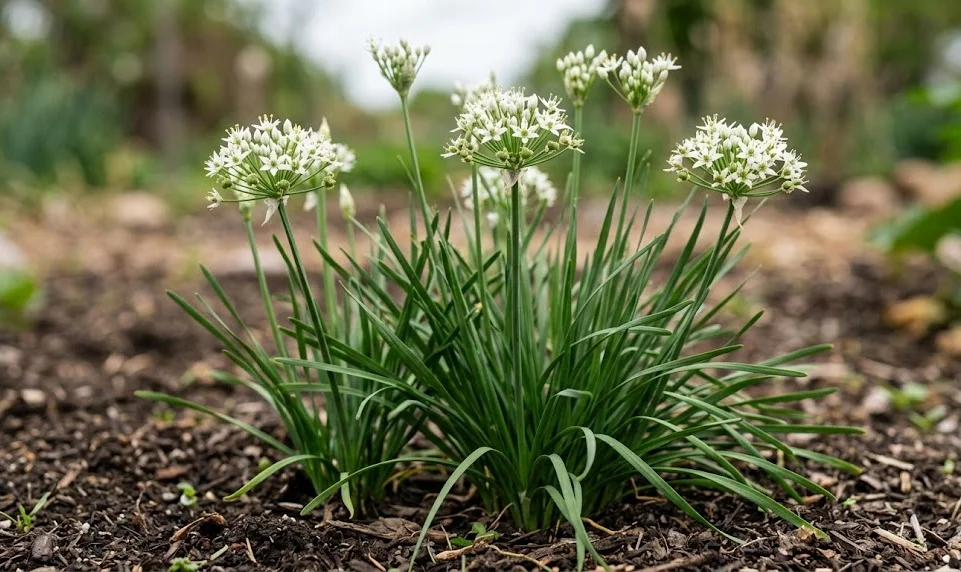

Garlic chives are versatile perennials that require a specific approach to maintain their health and productivity throughout the growing season. Achieving a lush and vibrant crop involves understanding the delicate balance between environmental factors and manual intervention. Gardeners must pay close attention to the soil conditions and the general health of the foliage to ensure the best results. Proper maintenance not only enhances the flavor of the leaves but also ensures the plant remains vigorous for many years.
Maintaining the surrounding area is a critical component of professional garlic chives management in any garden setting. Weeds can easily compete for vital nutrients and space, potentially choking out the delicate root systems of the chives. Regular weeding should be performed by hand to avoid damaging the shallow roots that these plants typically develop. Keeping the ground clear allows for better airflow and reduces the likelihood of localized pest infestations or fungal growth.
The structural integrity of the plant depends heavily on how the soil is managed around the base of the stems. Adding a light layer of organic mulch can help regulate the temperature of the roots and keep the moisture levels consistent. This practice also prevents the soil from compacting too tightly, which is essential for healthy gas exchange in the root zone. Over time, the mulch breaks down and contributes to the overall organic matter of the gardening bed.
Observation is the most important tool for any professional cultivator who wants to achieve high-quality yields from their herbs. You should regularly check the leaves for any signs of yellowing or tip burn, which often indicates an imbalance in care. Healthy garlic chives should display a deep green color and a firm, upright growth habit throughout the summer. Taking immediate action when growth slows down or changes color will prevent long-term damage to the entire plant colony.
Establishing the right environment
The foundation of successful care begins with selecting a site that meets the specific physiological needs of the plant. Garlic chives thrive when they are given enough space to expand their clumps without being overcrowded by larger neighbors. They prefer a stable environment where they are not constantly subjected to extreme winds or physical disturbances. A well-chosen location will significantly reduce the amount of corrective maintenance required as the season progresses.
More articles on this topic
Soil structure plays a massive role in how the plant absorbs the resources provided by the gardener or nature. Loamy soil that is rich in organic matter provides the ideal medium for root development and nutrient transport. You should aim for a soil that is loose enough to allow the roots to penetrate deeply without meeting excessive resistance. Improving the soil texture before the growing season starts is a standard professional practice that yields great benefits.
Air circulation is an often overlooked aspect of garlic chives care that can determine the success of your harvest. Densely planted clumps can trap moisture between the leaves, which creates a microclimate suitable for various pathogens. Ensuring there is sufficient distance between individual plants helps the foliage dry quickly after rain or morning dew. This simple spatial management technique is a highly effective way to promote a healthy and disease-resistant crop.
Temperature fluctuations can impact the growth rate of garlic chives, especially during the transitional periods of spring and autumn. While these plants are hardy, they respond best to moderate temperatures that favor steady cellular expansion. Providing some protection during unexpected cold snaps can prevent the tips from becoming woody or flavorless. Understanding the local climate patterns allows you to adjust your care routine to the specific needs of the season.
Managing the growth cycle
As the plants mature, they will naturally begin to form dense clumps that require periodic monitoring to maintain their quality. These clumps can become overly crowded, leading to smaller leaves and a general decline in the plant’s overall vigor. Monitoring the density of the growth allows you to decide when the plant needs more space to thrive. Regular observation ensures that the garlic chives remain a productive part of your garden for an extended period.
More articles on this topic
The development of flower stalks is a significant milestone in the life cycle of garlic chives that requires a strategic response. If you are growing the plant primarily for its leaves, it is often best to remove these stalks before they fully bloom. This redirected energy will instead go into the production of more foliage and the strengthening of the root system. However, if the goal is to collect seeds, allowing a few stalks to mature is a perfectly acceptable choice.
Seasonal changes dictate the intensity of the care required to keep garlic chives in their peak condition. During the peak of summer, growth may slow down slightly as the plant focuses on surviving the heat and potential dry spells. In contrast, the cooler temperatures of early autumn often trigger a secondary flush of growth that is highly flavorful. Adapting your management style to these natural rhythms is a hallmark of an expert gardener who understands plant biology.
Consistent harvesting is actually a form of care that keeps the plant productive and prevents it from becoming stagnant. By regularly removing the outer leaves, you encourage the center of the plant to produce fresh and tender new growth. This prevents the older leaves from becoming tough and losing the delicate garlic-like flavor that makes them valuable. A disciplined approach to harvesting ensures a steady supply of high-quality herbs throughout the active growing months.
Sustaining soil health
Long-term success with garlic chives is deeply rooted in the continuous improvement of the soil where they are planted. The plants are relatively heavy feeders that will gradually deplete the immediate area of essential minerals and elements. You should focus on replenishing the soil nutrients every year to maintain the high quality of the foliage. Using high-quality compost or well-rotted organic matter is the most sustainable way to keep the earth productive.
The acidity or alkalinity of the soil, commonly known as pH, can significantly affect how well garlic chives absorb nutrients. These plants generally prefer a neutral to slightly acidic environment where chemical reactions in the soil are most efficient. Testing the soil periodically is a professional way to ensure that you are providing the best possible conditions for growth. If the pH levels drift too far in either direction, you may notice a decline in the health of the leaves.
Compacted soil is a major enemy of garlic chives because it restricts root growth and prevents water from reaching the deeper layers. You should avoid walking on the soil immediately around the plants to prevent unnecessary pressure on the root zone. If the soil does become hard, gently aerating the surface with a hand tool can restore the necessary porosity. Maintaining a light and fluffy soil structure is essential for the long-term health of any perennial herb.
Microbial activity in the soil is a hidden but vital part of the care process for these hardy perennials. Healthy soil is teeming with beneficial organisms that help break down organic matter into forms the plant can easily use. Avoiding harsh chemical treatments helps preserve these natural allies and creates a more resilient ecosystem in your garden. A biological approach to gardening ensures that your garlic chives are supported by a living and thriving soil community.
Enhancing leaf quality
The flavor and texture of the leaves are the primary reasons for cultivating garlic chives in a professional or home garden. To ensure the best culinary quality, you must provide the plants with a steady supply of the resources they need. Leaves that grow too slowly due to stress can become fibrous and lose their characteristic sweetness. Providing a stress-free environment is the best way to produce a harvest that meets high standards of quality.
Protecting the foliage from physical damage is important for both the appearance and the health of the plant. Heavy rain or wind can sometimes flatten the leaves, which makes them more susceptible to rotting if they touch the wet soil. Using low-profile supports or simply planting them in a sheltered area can prevent this type of structural failure. Clean and upright leaves are much easier to harvest and process for culinary use or market sale.
The timing of your daily garden activities can also influence the quality of the garlic chives you produce. It is generally best to work with the plants in the morning when they are fully hydrated and the temperatures are cool. This reduces the amount of stress the plant experiences during maintenance tasks like weeding or harvesting. Professional growers know that these small details can have a significant impact on the final outcome of the crop.
As the leaves reach their full size, they will naturally begin to age and eventually lose their vibrant green color. Removing these older or damaged leaves is a simple task that keeps the clump looking neat and healthy. This practice also prevents decaying organic matter from attracting pests or harboring diseases near the base of the plant. A clean plant is a healthy plant, and a little bit of regular grooming goes a long way.
Monitoring for stressors
Even with the best care, garlic chives can occasionally face stress from environmental factors that are beyond the gardener’s control. Prolonged heatwaves or unexpected dry periods can cause the plant to enter a semi-dormant state to protect its roots. During these times, it is crucial to monitor the plants closely and provide extra support to help them through the crisis. Recognizing the early signs of stress allows you to intervene before the damage becomes irreversible.
Pollution and air quality can also affect the health of the leaves, especially in urban gardening environments. Dust and debris can settle on the broad, flat leaves of the garlic chives and interfere with their ability to photosynthesize. Gently rinsing the foliage with clean water can remove these barriers and help the plant breathe more effectively. This simple act of cleaning can noticeably improve the vigor of the plants in dusty or high-traffic areas.
The presence of neighboring plants can sometimes create a stressful competitive environment for your garlic chives. If a nearby shrub grows too large and starts to shade the chives, you may need to prune the neighbor or move the herb. Ensuring that the chives have their own dedicated space reduces the “stress of competition” for light and nutrients. A well-organized garden layout is a proactive way to minimize stress for all of your cultivated plants.
Finally, keep an eye on the transition between the seasons as this is when the plants are often most vulnerable. The shift from the hot summer to the cooler autumn can sometimes trigger a growth spurt that leaves the plant soft and susceptible to frost. Gradually reducing the intensity of care as winter approaches helps the plant harden off and prepare for its dormant period. Understanding these transitions is key to maintaining a successful perennial garden over many years.
Long term maintenance strategies
Garlic chives are not just a single-season crop; they are a long-term investment in your garden’s productivity and biodiversity. Every few years, it is beneficial to take a more comprehensive look at the health of the entire colony. If the center of a clump begins to die out, it is a clear sign that the plant needs to be rejuvenated. This long-term perspective ensures that your garden remains a source of high-quality herbs for a decade or more.
Documenting your care routine and the plant’s response over several years can provide valuable insights for future seasons. Note when the first leaves appear in the spring and when the plant begins to flower in the late summer. This information helps you refine your maintenance schedule and anticipate the needs of the garlic chives more accurately. Professional records turn simple gardening into a precise science that yields consistent and predictable results.
Sharing your experience and even your extra plants with other gardeners is a great way to participate in the wider horticultural community. Garlic chives are easy to share because they are so hardy and produce such a large number of seeds and divisions. Helping others succeed with this plant can also provide you with new perspectives and techniques for your own garden. Gardening is a social activity, and the knowledge you gain from others is often as valuable as what you learn from books.
Ultimately, the goal of professional care is to work with the natural tendencies of the garlic chives rather than against them. By providing a stable environment, healthy soil, and regular attention, you create the conditions for the plant to thrive. The reward for your efforts is a beautiful, productive, and reliable herb that enhances both your garden and your kitchen. Success with garlic chives is a testament to the power of consistent and thoughtful horticultural practices.