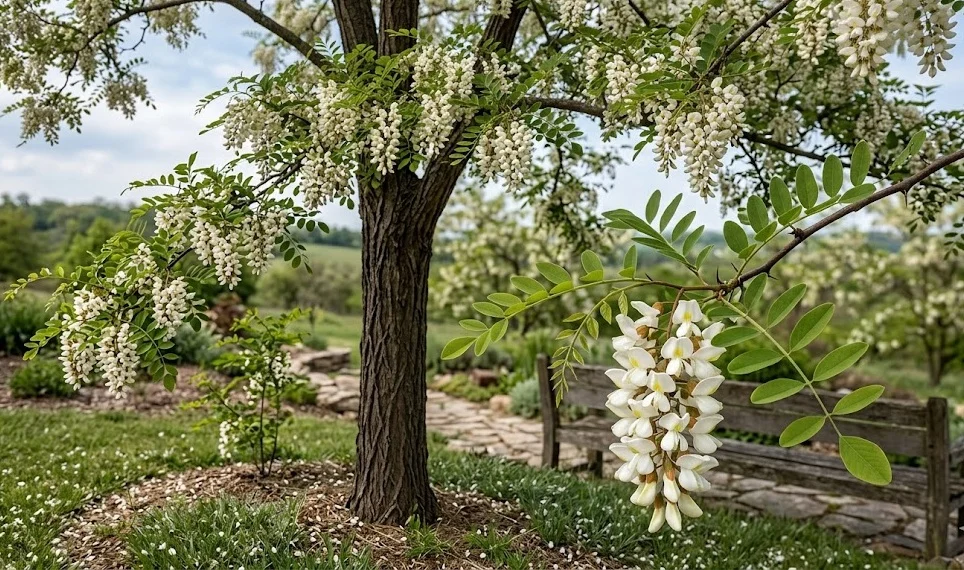

Managing the black locust requires a deep understanding of its rapid growth and nitrogen-fixing abilities. These trees are exceptionally resilient and can adapt to various environmental conditions with ease. However, providing a structured care plan ensures that they reach their full aesthetic and economic potential. Regular observation is the first step in identifying the specific needs of each individual specimen.
The growth rate of this species is one of its most remarkable features, often surprising inexperienced gardeners. You should monitor the leading shoots during the peak growing season to ensure they are developing properly. Excessive growth can sometimes lead to weaker wood structure if not managed through proper site selection. Maintaining a balance between vigor and stability is key to a long-lived tree.
Pruning plays a vital role in the care routine, especially during the first decade of the tree’s life. Removing dead or crossing branches helps maintain a healthy canopy and prevents the spread of rot. It is best to perform these tasks during the dormant season to minimize stress on the plant. A well-pruned tree is much less likely to suffer damage from heavy winds or ice.
Soil management is often overlooked because these trees are known to thrive in poor conditions. Even though they fix nitrogen, they still benefit from occasional checks of soil pH and drainage. Ensuring that the ground does not become waterlogged is crucial for preventing root-related issues. Professional growers always prioritize soil aeration to encourage a robust and deep root system.
Root system and stability
The root system of this species is wide-reaching and aggressive, which helps it anchor firmly in the ground. It is essential to understand that these roots can travel long distances to find water and nutrients. This characteristic makes the tree excellent for erosion control on steep slopes or sandy areas. However, this same strength requires careful planning if planting near foundations or underground pipes.
More articles on this topic
Surface roots can sometimes become a nuisance in maintained garden lawns or paved areas. You can manage this by providing adequate space during the initial landscape design phase. Avoiding mechanical damage to these roots is important as wounds can invite pathogens. A healthy root environment directly translates to a more stable and wind-resistant tree canopy.
The ability of the roots to fix atmospheric nitrogen is a significant benefit to the surrounding soil. This process occurs through a symbiotic relationship with specific bacteria located in root nodules. As a result, the tree essentially fertilizes the ground where it stands over time. This natural enrichment often improves the growth of neighboring plants that share the same soil.
Stability becomes a concern as the tree reaches maturity and develops a large, heavy crown. Ensuring that the soil density is sufficient to support the weight is a priority for arborists. If the tree starts to lean excessively, it might indicate root decay or poor soil anchorage. Regular inspections of the base of the trunk will reveal any early signs of structural instability.
Nutrient and soil requirements
Providing the right nutrients involves understanding that this species is not particularly demanding. It thrives in well-drained soils ranging from sandy loams to heavier clay types. While it tolerates poor fertility, it produces much better timber and flowers in nutrient-rich environments. Understanding your local soil composition is the first step toward optimizing its health.
More articles on this topic
Nitrogen is rarely a limiting factor because of the tree’s internal ability to capture it from the air. Instead, focusing on phosphorus and potassium levels can yield better results for overall wood density. These minerals support the cellular structure and help the tree withstand environmental stresses. A soil test every few years provides the data needed for precise adjustments.
Drainage is perhaps the most critical factor when considering the soil environment for this tree. It cannot tolerate standing water for extended periods, which often leads to root suffocation. If you are working with heavy soil, consider amending it with organic matter to improve its structure. Proper drainage ensures that oxygen reaches the roots, maintaining high metabolic activity.
Organic mulching around the base of the tree provides multiple benefits beyond simple weed suppression. It helps maintain a consistent moisture level and gradually adds organic matter as it decomposes. Use wood chips or bark to create a protective layer that mimics a natural forest floor. This practice also protects the lower trunk from accidental damage caused by lawn maintenance equipment.
Seasonal care cycles
Spring marks the beginning of rapid development and requires the most attention from a gardener. This is the ideal time to check for any winter damage and assess the health of the buds. As the leaves begin to unfurl, the tree will demand more moisture to support its new growth. Early spring is also the best window for any last-minute structural adjustments before the sap flows heavily.
Summer maintenance focuses primarily on monitoring for heat stress and potential pest outbreaks. During long dry spells, providing deep watering sessions can help younger trees maintain their vigor. You should keep an eye on the foliage for any signs of discoloration or unexpected leaf drop. Maintaining a healthy canopy during the hot months ensures the tree can store enough energy for the coming winter.
Autumn is the period when the tree prepares for dormancy and begins to shut down its metabolic processes. The beautiful yellow foliage indicates that nutrients are being moved from the leaves into the root system. It is a good time to clear away fallen leaves if they harbor any pests or fungal spores. Avoiding heavy fertilization during this period prevents late-season growth that would be vulnerable to frost.
Winter care is mostly passive but involves protecting the tree from mechanical damage and extreme temperature fluctuations. Heavy snow should be carefully brushed off young branches to prevent snapping under the weight. This is also the primary season for major pruning operations because the tree’s structure is fully visible. Inspecting the bark for cracks or animal damage will help you plan for spring repairs.
Managing invasive growth
One of the challenges of caring for this species is its tendency to spread through root suckers. These small shoots can pop up several meters away from the main trunk and take over a garden space. It is important to remove these suckers as soon as they appear to maintain the desired landscape form. Regular mowing around the tree is usually enough to keep this behavior under control in a lawn setting.
If the tree is left unmanaged in a wilder area, it can quickly form a dense thicket that shades out other plants. You must decide early on whether you want a single-specimen tree or a naturalized grove. For a specimen tree, consistent removal of lower sprouts on the trunk is also necessary. This ensures that the tree’s energy is directed toward the main canopy rather than side growth.
The seeds are also highly viable and can lead to unwanted saplings in distant parts of the property. Cleaning up the seed pods in late winter or early spring can significantly reduce the number of new seedlings. These pods are durable and can persist on the ground for a long time if not removed. Controlling the spread is a key part of being a responsible steward of this fast-growing species.
In larger agricultural settings, managing the spread requires a different approach involving periodic thinning. This allows the best specimens to grow without competition from their own offspring. Using professional tools like brush cutters makes this task much more efficient and manageable. Proactive management prevents the black locust from becoming a nuisance in diversified landscapes.
Environmental resilience
The black locust is famous for its ability to withstand urban pollution and difficult growing sites. It can tolerate salt spray near coastal areas or roadsides where winter de-icing is common. This resilience makes it a top choice for land reclamation and industrial site landscaping. You will often see it thriving where other more sensitive species have failed to survive.
Drought tolerance is another major advantage that makes this tree suitable for changing climates. Once established, its deep root system can access moisture layers that remain unavailable to smaller plants. It effectively closes its stomata during extreme heat to conserve water and prevent dehydration. This natural adaptation allows it to maintain its health even during prolonged dry summers.
Wind resistance is generally high due to the flexible nature of the young wood and the strong root anchor. While some branches may break in extreme storms, the tree usually recovers quickly. The open canopy structure allows wind to pass through more easily than it would through a dense evergreen. Selecting a site with some natural wind protection still benefits the overall shape of the tree.
Pest resistance is a notable trait, although some specific insects can cause cosmetic damage. The tree produces natural chemical compounds that deter many common leaf-eating pests. This means that chemical treatments are rarely necessary in a typical garden or forest setting. Promoting biodiversity around the tree further enhances its natural defenses against potential outbreaks.
Professional wood management
The value of the black locust lies significantly in its incredibly durable and hard wood. It is one of the few temperate hardwoods that can resist rot for decades when in contact with the ground. This makes it a preferred material for fence posts, vineyard stakes, and outdoor furniture. Caring for the tree with wood quality in mind involves preventing structural defects during growth.
Straight trunks are achieved by ensuring that the tree has enough vertical space and proper light. If the tree is forced to lean toward the light, the wood will develop internal tensions that reduce its quality. Professional foresters often plant them in groups to encourage upward growth and self-pruning. This results in long, clear boles that are highly prized for construction purposes.
Harvesting should be planned carefully to maximize the yield of high-quality timber. The best time to cut the wood is during the winter when the moisture content is at its lowest. This prevents excessive cracking and warping as the wood dries out after being processed. Knowing the right age for harvest ensures that the heartwood is fully developed and rot-resistant.
Protecting the trunk from physical injuries throughout its life is essential for maintaining wood integrity. Even small nicks from a lawnmower can introduce rot into the sapwood, which may eventually reach the core. Use tree guards or mulch rings to create a safety zone around the base of the tree. A well-maintained trunk ensures that the final product is as strong and beautiful as possible.