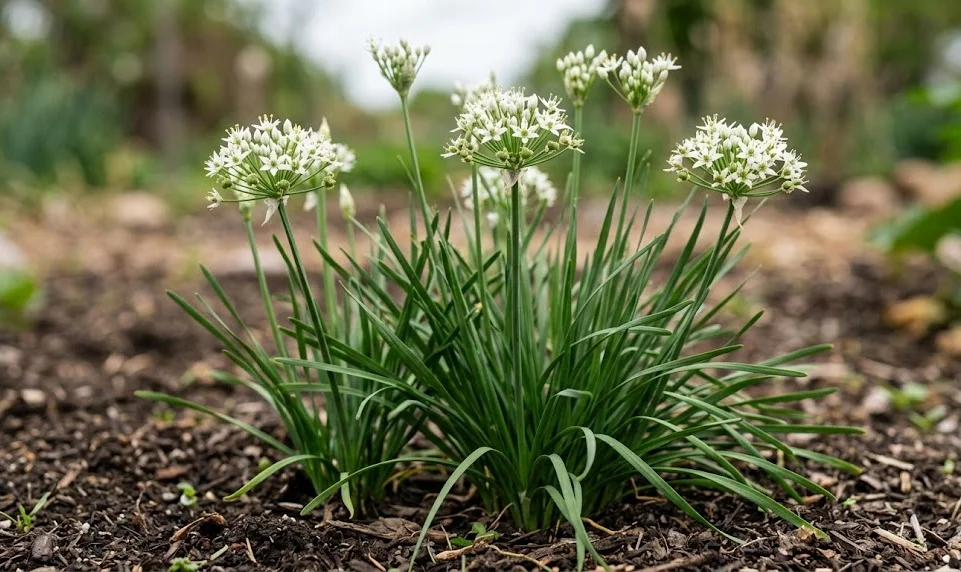

Establishing a successful stand of garlic chives begins with a well-planned planting strategy that considers both the timing and the method of propagation. Whether you are starting from seeds or using the division of established clumps, the process requires attention to detail to ensure high survival rates. These plants are known for their resilience, but the early stages of their life cycle are when they are most sensitive to environmental conditions. A professional approach to planting sets the stage for a productive herb garden that will yield high-quality foliage for many seasons to come.
The choice between using seeds or root divisions often depends on how quickly you want to establish a harvestable crop. Seeds are a cost-effective way to produce a large number of plants, but they require more patience and careful monitoring during the germination phase. Divisions, on the other hand, provide you with mature plants that can be harvested much sooner than those grown from seed. Both methods have their place in a professional gardening plan, and many experts use a combination of both to expand their herb collections.
Site preparation is a critical step that must be completed before any seeds are sown or divisions are placed in the ground. You should work the soil to a depth of at least fifteen centimeters to ensure it is loose and well-aerated for the new roots. Incorporating a balanced organic compost during this phase provides a slow-release source of nutrients that will support the plants throughout their first year. Removing all large stones and debris creates a smooth surface that makes the planting process much easier and more precise.
The ideal time for planting garlic chives is during the cool and stable weather of early spring or late summer. Planting in the spring allows the young herbs to establish themselves before the intense heat of the summer arrives. Conversely, late summer planting takes advantage of the warm soil and the approaching autumn rains, which are perfect for root development. Avoiding the extreme heat of mid-summer or the freezing temperatures of winter is essential for ensuring the highest success rate for your new plants.
Sowing from seeds
Starting garlic chives from seeds is a rewarding process that allows you to observe the entire development of the plant. Seeds can be started indoors in trays or sown directly into the garden soil once the danger of frost has passed. If starting indoors, use a high-quality seed-starting mix that provides good drainage and a light texture for the delicate emerging roots. Keeping the soil consistently moist but not waterlogged is the most important factor for successful germination in a controlled environment.
More articles on this topic
When sowing directly into the garden, you should create shallow furrows that are about one centimeter deep to house the seeds. Space the seeds thinly along the row to prevent the young seedlings from competing too much with each other for light and space. After covering the seeds with a light layer of soil, gently firm the surface to ensure good contact between the seeds and the earth. Watering the area with a fine mist will help settle the soil without washing away the small and lightweight seeds.
Germination typically occurs within one to two weeks, depending on the temperature of the soil and the moisture levels. Once the seedlings reach a height of about five centimeters, you may need to thin them to ensure adequate spacing between the plants. Professional gardeners aim for a final spacing of about fifteen to twenty centimeters between individual garlic chives to allow for future clump expansion. This spacing ensures that each plant has enough room to reach its full potential without being crowded by its neighbors.
Protecting the young seedlings from external threats is a vital part of the propagation process in the early weeks of growth. Slugs and snails find the tender new growth particularly attractive, so you should monitor the area closely and take protective measures if necessary. Additionally, keeping the planting bed free of weeds is essential because the young chives can easily be overwhelmed by more aggressive vegetation. A clean and protected environment allows the seedlings to focus all their energy on developing a strong root system and healthy leaves.
Propagation by division
Division is the fastest and most reliable way to multiply your existing garlic chives and is typically done every three to four years. This process involves lifting an established clump from the ground and carefully separating it into several smaller sections. Each new section must have a healthy portion of the root system and at least a few green shoots to ensure it can survive on its own. Division not only provides new plants but also rejuvenates the original clump by reducing its internal density.
More articles on this topic
The best time to perform a division is in the early spring just as the first signs of new growth begin to appear. At this stage, the plants are full of energy and can quickly recover from the stress of being moved and separated. Using a sharp spade or a garden fork, you should carefully lift the entire root ball while trying to keep as much soil attached as possible. This minimizes root shock and makes it easier to see where the natural separation points are within the clump.
Once the clump is lifted, you can use your hands or a sharp knife to pull the individual bulbs and roots apart. Professional cultivators ensure that each division is large enough to be viable but small enough to benefit from the increased space in its new location. It is important to keep the roots moist during this process, so work in a shaded area or keep the plants covered with a damp cloth. Immediate replanting is the best way to ensure that the divisions take hold and begin growing quickly in their new homes.
When replanting the divisions, you should set them at the same depth they were growing previously to avoid burying the crown too deeply. Firm the soil around the base of the new plants to eliminate any large air pockets that could dry out the roots. Providing a thorough watering immediately after planting helps the soil settle and gives the plants the hydration they need to start repairing their root systems. Within a few weeks, you should see new green growth indicating that the division was successful.
Establishing young plants
The first few months after planting are a critical period for the long-term success of your garlic chives. During this time, the plants are focusing on expanding their root systems into the surrounding soil to secure their future. You should maintain consistent moisture levels, as young plants do not have the deep root systems necessary to survive extended dry periods. However, avoid overwatering, as excessively wet soil can lead to root rot in newly established plants.
Applying a thin layer of organic mulch around the base of the young plants can provide a significant boost to their early growth. Mulch helps to suppress weed growth, which is particularly important for young chives that are still building their competitive strength. It also acts as an insulator, keeping the soil temperature stable and protecting the delicate roots from sudden weather changes. Choosing a mulch that breaks down easily, like straw or shredded leaves, will also contribute to the long-term health of the soil.
Avoiding the temptation to harvest too early is a common piece of advice among professional herb growers. While it may be tempting to pick a few leaves for the kitchen, allowing the plant to retain all its foliage during the first season is beneficial. The leaves are the primary source of energy for the developing roots, and removing them can slow down the establishment process. A strong foundation built in the first year will result in much larger and more productive harvests in the following seasons.
Monitoring the growth rate and color of the young plants provides valuable feedback on the success of your planting strategy. If the plants appear pale or stunted, they may need a light application of a balanced organic fertilizer to jumpstart their development. Healthy young garlic chives should show steady growth and a vibrant green color as they settle into their new environment. With proper care and attention during this establishment phase, your garlic chives will quickly become a permanent and productive feature of your garden.