
Preparing your purple heart for the winter months is a critical task for anyone living outside of tropical or subtropical regions. As temperatures drop, this fleshy plant faces significant challenges that can lead to permanent damage or death if not managed correctly. Successful overwintering involves understanding the plant’s metabolic shift and providing a stable environment that protects its delicate tissues. By following a professional winterization protocol, you can ensure your plants return with vigor once the spring warmth arrives.
The process of winter preparation should begin well before the first frost is predicted in your local area. You should start by assessing which plants will be moved indoors and which will remain in the ground with protection. Outdoor specimens that are too large to move will require heavy mulching and perhaps a protective covering during extreme cold snaps. Taking stock of your collection early allows you to gather the necessary supplies without any last-minute stress.
As the days grow shorter, the plant naturally begins to slow its growth and requires fewer resources from the gardener. You should gradually reduce the frequency of watering to allow the plant to “harden off” and prepare for its dormant phase. Avoid applying any fertilizer in the late autumn, as this can stimulate tender new growth that is particularly susceptible to cold damage. This period of transition is vital for the long-term health and survival of the species.
Choosing the right indoor location is the most important factor for plants that will spend the winter inside. A bright, cool room that stays above 10 degrees Celsius is usually ideal for maintaining the plant in a semi-dormant state. Avoid placing it near heaters or drafty windows, as rapid temperature changes can cause significant stress. Monitoring the indoor microclimate ensures that your plants stay healthy and ready for their spring comeback.
Transitioning outdoor plants to the indoors
When moving plants from the garden to the house, it is important to check thoroughly for any hitchhiking pests. Insects like aphids or spider mites can quickly spread to your other houseplants in the stable, warm indoor environment. Giving the foliage a gentle wash with a hose before bringing it inside can remove many potential problems. This simple step is a professional standard that protects your entire indoor garden collection.
More articles on this topic
The transition should be handled gradually to minimize the shock caused by changing light and humidity levels. Start by moving the pots to a shaded outdoor spot for a few days before bringing them inside permanently. Once indoors, place them in a location that receives as much natural light as possible to compensate for the lower intensity of the winter sun. If natural light is insufficient, supplemental grow lights can be a very effective professional solution.
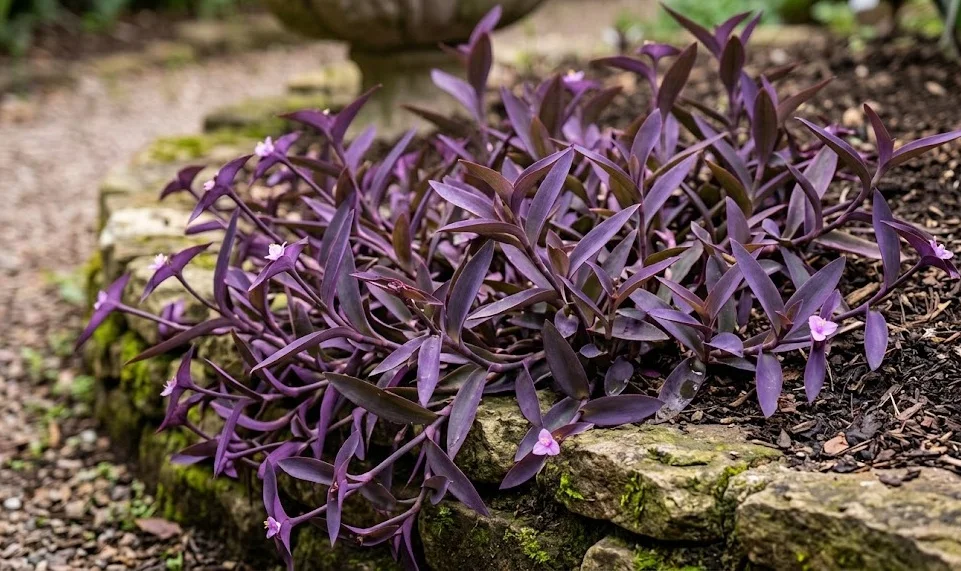
Expect some leaf drop or a change in color as the plant adjusts to the lower light levels of the indoor environment. The intense purple may fade to a more subdued green, which is a normal response to reduced solar energy. Do not be tempted to “fix” this with extra water or fertilizer, as this will only lead to further problems like root rot. Patience is your best tool during the first few weeks of the indoor transition.
Hanging baskets and large containers may need to be pruned back slightly to make them more manageable for indoor spaces. Removing leggy or damaged stems can also help the plant conserve energy during the winter months. Use clean, sharp shears to make precise cuts and avoid tearing the delicate fleshy stems. This grooming not only keeps the plant tidy but also encourages a bushier habit when it returns outside in the spring.
Dormancy and winter metabolic changes
During the winter, the purple heart enters a period of semi-dormancy where its growth almost entirely stops. This is a natural adaptation to the colder temperatures and shorter days of the winter season. You will notice that the plant uses water much more slowly than it did during the peak of summer. Understanding this change in metabolism is key to preventing the most common winter mistake: overwatering.
More articles on this topic
Soil moisture should be kept to a minimum during this time, allowing the medium to dry out almost completely between waterings. The goal is to provide just enough hydration to keep the stems from shriveling without saturating the roots. In a cool room, you may find that the plant only needs water every two to three weeks. Always feel the soil deep down before deciding to add more moisture to the pot.
The plant’s need for nutrients is virtually zero during its dormant phase, so all fertilization should be halted. Forcing growth with chemicals during the winter results in weak, spindly stems that are prone to disease and pest attacks. Professional gardeners know that respecting the plant’s natural rhythm leads to a much stronger specimen in the long run. Allow the plant to rest and store its energy for the explosion of growth that comes with spring.
Monitoring the temperature of the indoor environment is also important for managing the plant’s dormancy. If the room is too warm, the plant may try to continue growing despite the low light levels, leading to poor aesthetics. Keeping it in a slightly cooler spot, such as a bright basement or an unheated sunroom, can help maintain a true dormant state. This balance of light and temperature is the secret to successful professional overwintering.
Protection for ground-planted specimens
In regions where the ground does not freeze deeply, the purple heart can sometimes survive the winter outdoors with proper protection. The first step is to apply a thick layer of organic mulch, such as straw, wood chips, or shredded leaves, around the base of the plant. This mulch acts as insulation, keeping the soil temperature more stable and protecting the underground root system. In many cases, even if the top growth dies back, the plant will sprout again from the roots in spring.
For extra protection during particularly cold nights, you can use a frost blanket or even an old burlap sack to cover the foliage. This layer traps the warmth escaping from the ground and prevents frost from forming directly on the leaves. Be sure to remove the cover during the day if the sun is out to allow for air circulation and prevent overheating. Consistency is key when using temporary covers to protect your landscape plants.
Avoiding winter moisture is just as important as protecting against the cold for ground-planted specimens. Fleshy plants are much more likely to rot if they are sitting in wet, cold soil for extended periods. If your garden has poor drainage, consider digging up the plants and storing them in pots for the winter instead. A professional assessment of your garden’s winter conditions will help you make the best decision for your plants.
When spring finally arrives, do not be in a rush to remove the protective mulch or cut back the dead stems. Wait until the danger of frost has completely passed and you see the first signs of new green or purple growth at the base. The old stems can actually provide a bit of natural protection for the tender new shoots during late-season cold snaps. Once the weather is consistently warm, you can tidy up the plant and begin your spring care routine.
Bringing plants back into the spring garden
The return to the outdoors should be managed with the same care and gradual transition as the move indoors in autumn. Start by placing the pots in a sheltered, shaded area for a few hours each day during the warmest part of the afternoon. Slowly increase their exposure to direct sunlight and wind over a period of ten to fourteen days. This process, known as hardening off, prevents the tender indoor leaves from being scorched by the intense spring sun.
This is the perfect time to perform a heavy pruning to remove any winter damage and encourage fresh, vigorous growth. You can cut the stems back significantly to promote a fuller, more compact shape for the coming season. New shoots will quickly emerge from the nodes, and the plant will soon regain its signature vibrant color. Using professional tools ensures that the new growth has the best possible start.
Resume your regular watering and fertilization schedule once the plant is established back in its outdoor home. Start with a diluted liquid fertilizer to provide a gentle boost as the plant’s metabolism begins to ramp up. You will quickly see the results of your careful overwintering as the plant begins to spread and eventually produce its first flowers. The satisfaction of seeing a plant survive the winter and thrive again is one of the great rewards of gardening.
Finally, take a moment to evaluate how your overwintering strategy worked and make notes for the following year. Did the indoor location provide enough light? Were the outdoor protections sufficient for the local weather? Constant learning and adjustment are the hallmarks of a professional approach to horticulture. Your purple heart will continue to be a beautiful part of your garden for many years with these dedicated winter care practices.