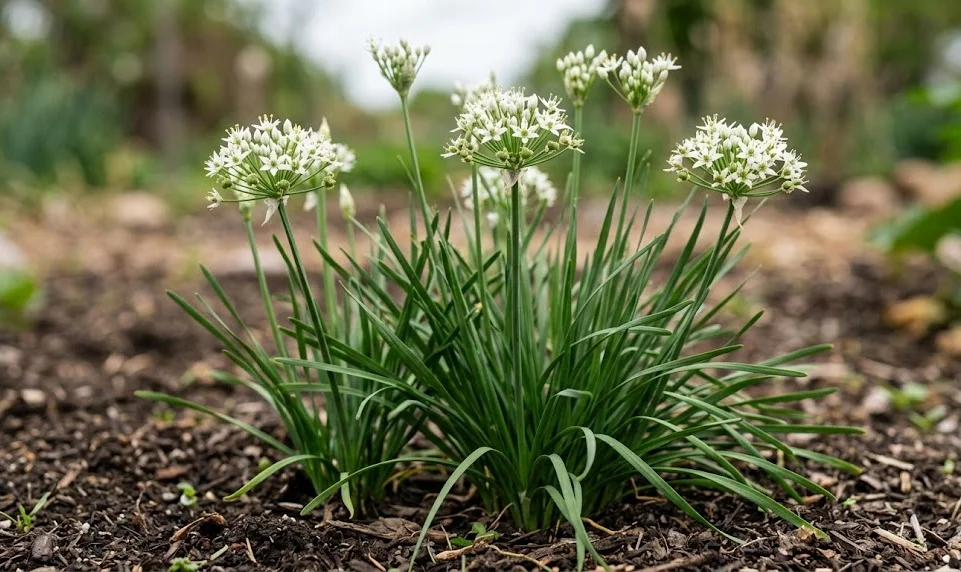

Preparing garlic chives for the winter months is a vital task for any gardener who wishes to see their perennial herbs return with vigor in the spring. While these plants are exceptionally hardy and can withstand significant freezing temperatures, they still benefit from a few strategic protective measures. The goal of overwintering is not just to keep the plant alive, but to protect the integrity of the root system and the crown from the harshest elements. A thoughtful approach to winter care ensures that the plants remain healthy during their dormant period and are ready to burst into growth as soon as the soil warms up.
The process of overwintering begins long before the first frost arrives, as the plant naturally starts to prepare for its dormant state. As the days shorten and the temperatures drop in the autumn, the garlic chives will gradually slow their leaf production and begin to move energy down into the roots. You may notice the foliage starting to turn yellow or brown, which is a normal part of the plant’s seasonal cycle. Recognizing these signs allows you to time your final maintenance tasks so they coincide with the plant’s natural rhythm.
Snow cover can actually be a beneficial insulator for garlic chives, providing a stable temperature that protects the roots from extreme cold. However, in regions with little snow or frequent freeze-thaw cycles, the soil can expand and contract, which may push the bulbs toward the surface. This “frost heaving” can expose the delicate parts of the plant to the drying winter winds and cause significant damage. Professional overwintering strategies are designed to mitigate these risks and create a stable microclimate for the sleeping plants.
For those growing garlic chives in containers, the challenges of winter are slightly different than for those planted directly in the ground. Pots are much more exposed to temperature fluctuations, and the small volume of soil can freeze and thaw very rapidly. Without the protection of the earth’s thermal mass, container-grown herbs require additional insulation or temporary relocation to a more sheltered spot. Understanding these differences is key to successfully maintaining a diverse collection of herbs regardless of how they are planted.
Autumn preparation steps
As the growing season draws to a close, you should begin by gradually reducing the amount of water you provide to your garlic chives. This signals to the plant that it is time to stop producing new, tender growth and start focusing on its winter preparations. Excessively wet soil in the late autumn can also increase the risk of root rot as the plant’s metabolism slows down. A drier soil environment is generally much safer for the dormant bulbs as they settle in for the long winter ahead.
More articles on this topic
Cutting back the dead or dying foliage is a common practice that keeps the garden looking neat and reduces the hiding places for pests. You should wait until the leaves have completely turned brown and have finished transferring their nutrients back to the roots. Using clean, sharp shears, cut the stems down to about two or three centimeters above the soil level. This simple act of grooming prevents decaying organic matter from harboring fungal spores that could cause problems in the following spring.
Cleaning the surrounding area is another important part of the autumn routine for professional gardeners. Remove any fallen leaves from nearby trees and pull any late-season weeds that might try to establish themselves before the ground freezes. A clear and tidy garden bed reduces the competition for resources in the spring and makes it easier to apply protective mulches. By starting the winter with a clean slate, you are setting your garlic chives up for a successful and trouble-free transition into the new year.
Finally, take a moment to inspect the health of the clumps one last time before the ground becomes inaccessible. If you see any signs of disease or pest damage, address them now to prevent them from overwintering along with the plant. It is also a good time to make sure that the soil around the base of the plants is firm and that no roots are exposed. A little bit of extra attention in the late autumn can prevent many common winter-related problems from ever occurring.
Mulching for protection
Mulching is the most effective way to provide a protective blanket for your garlic chives during the coldest months of the year. A layer of organic material acts as an insulator, keeping the soil temperature more consistent and reducing the impact of freeze-thaw cycles. For professional results, aim for a mulch layer that is about five to eight centimeters thick, covering the entire root zone of the plant. This simple barrier can make a significant difference in the survival and spring vigor of your perennial herbs.
More articles on this topic
The choice of mulching material can depend on what is locally available and the specific conditions of your garden. Straw, shredded leaves, and bark nuggets are all excellent choices that provide good insulation while still allowing for some air exchange. Avoid using heavy, wet materials like whole leaves or grass clippings, as these can mat down and suffocate the soil or encourage rot. A loose and airy mulch is the best way to keep the plants protected while still maintaining a healthy soil environment.
Applying the mulch at the right time is crucial for achieving the best results during the overwintering process. You should wait until the ground has actually started to freeze before applying the final thick layer of protection. If you mulch too early, you might trap heat in the soil and encourage the plant to continue growing, which makes it more vulnerable to the coming cold. Mulching after the first hard freeze ensures that the plant is fully dormant and ready for its winter rest.
In the spring, you will need to gradually remove the mulch as the weather begins to warm up and the first signs of life appear. Moving the mulch aside allows the sun to reach the soil and encourages the earth to warm up more quickly. Be careful not to remove it all at once if there is still a risk of a hard late-season frost that could damage the tender new shoots. A phased approach to uncovering the plants is the safest way to transition them from winter dormancy back into active growth.
Care for container plants
Garlic chives grown in pots require a bit more attention during the winter because they lack the natural insulation provided by the ground. If the containers are small, the entire root ball can freeze solid, which may be more than the plant can handle in extreme climates. One professional strategy is to move the pots to a more sheltered location, such as against a south-facing wall or into an unheated garage. This provides a buffer against the coldest winds and prevents the soil from experiencing the most extreme temperature swings.
Another effective way to protect container-grown herbs is to “heal them in” by burying the pots directly into a garden bed for the winter. This technique allows the plants to benefit from the thermal mass of the earth just like their ground-planted counterparts. If this is not an option, you can wrap the pots in several layers of burlap or bubble wrap to provide extra insulation. Grouping the containers together also helps to create a slightly warmer microclimate that can improve the plants’ chances of survival.
Moisture management remains important for container plants even during the winter, although their needs are greatly reduced. If the soil in the pots becomes bone dry during a mid-winter thaw, the roots can dehydrate and the plant may die from lack of water rather than from the cold. Check the pots occasionally and provide a small amount of water if the soil feels dusty to the touch. Be careful not to overwater, as dormant plants in cold soil are very susceptible to rot if the environment stays too wet.
As spring approaches, you should begin to monitor your container-grown garlic chives more closely for the first signs of new green shoots. Once growth begins, move the pots back to their permanent locations and gradually increase the amount of light and water they receive. This is also a great time to refresh the top layer of soil with some fresh compost to provide a nutrient boost for the new season. With a little bit of extra care, container-grown garlic chives can be just as long-lived and productive as those in the ground.
Spring revival and monitoring
The end of the overwintering period is an exciting time in the garden as the first green tips of the garlic chives begin to poke through the soil. You should keep a close eye on the weather during this transition, as spring can be a time of great volatility. If a sudden cold snap is predicted after the plants have started growing, you may need to temporarily recover them with a light cloth or some extra mulch. Protecting this early growth ensures that the plant does not lose the energy it has invested in starting the season.
Once the danger of hard frost has passed, you can finish removing any remaining winter mulch and tidy up the area around the clumps. This is the perfect time to apply a light feeding of balanced organic fertilizer to support the rapid growth that occurs in the spring. You should also check for any signs of frost heaving and gently press any exposed bulbs back into the soil. A fresh start in a clean and well-nourished garden bed will help your garlic chives reach their full potential quickly.
Observing how the plants have survived the winter can provide valuable information for your future gardening plans. If certain clumps seem weaker than others, they may benefit from being divided and replanted in fresh soil later in the spring. Take note of which protective measures seemed to work best and adjust your routine for the next winter accordingly. Professional gardening is a continuous cycle of observation, action, and refinement that leads to long-term success.
Finally, remember that garlic chives are resilient and have evolved to handle the challenges of a cold winter. Even if the tops look dead and the ground is frozen solid, the energy of the plant is safely stored in the underground bulbs. Trust in the natural cycle of the seasons and the hardy nature of your herbs to bring them back year after year. The beauty of perennial gardening is the reliable return of these familiar plants each spring, marking the beginning of another productive year.