
Pruning is an essential maintenance task that helps manage the size, shape, and overall health of the Cape primrose. Because this species grows relatively quickly and can become quite sprawling, regular cutting back prevents it from becoming untidy or “leggy.” Beyond aesthetics, pruning also serves a vital biological function by removing old or diseased tissue and encouraging the growth of fresh, productive stems. Mastering the art of the clean cut will ensure your plant remains a vibrant and attractive specimen for many years.
The primary reason to prune is to stimulate “branching,” which results in a fuller and more floriferous plant. When you remove the growing tip of a stem, the plant redirects its energy to the dormant buds located in the leaf axils. These buds then grow into new side shoots, doubling the number of potential flowering sites on that branch. This technique, often called “pinching,” is best done when the plant is young to establish a strong, bushy foundation for future growth.
Another important aspect of pruning is the removal of spent flowers and their stalks, a process known as deadheading. Leaving dead flowers on the plant is not only unattractive but can also lead to the development of mold and rot in the humid interior of the foliage. By removing these spent blooms, you prevent the plant from wasting energy on seed production and encourage it to focus on creating new flower buds. It is a simple, meditative task that keeps the plant looking its best throughout the long flowering season.
Sanitation is of the utmost importance whenever you are cutting into the living tissue of your plants. Always use a sharp, sterilized pair of scissors or a dedicated pruning blade to ensure the cuts are clean and heal quickly. Crushing the stems with dull tools can lead to infections and slow down the recovery process for the plant. Wiping your tools with rubbing alcohol between different plants is a professional habit that prevents the cross-contamination of diseases.
Techniques for shaping and rejuvenation
When a Cape primrose has become too large or has lost its attractive shape, a more significant “hard pruning” may be necessary. This involves cutting back the older, woody stems to a few inches above the soil line, which triggers a flush of new growth from the base. While this can look a bit drastic at first, the plant is remarkably resilient and will quickly fill out with fresh, green foliage. This type of rejuvenation is best performed in the early spring as the plant is entering its most active phase.
More articles on this topic
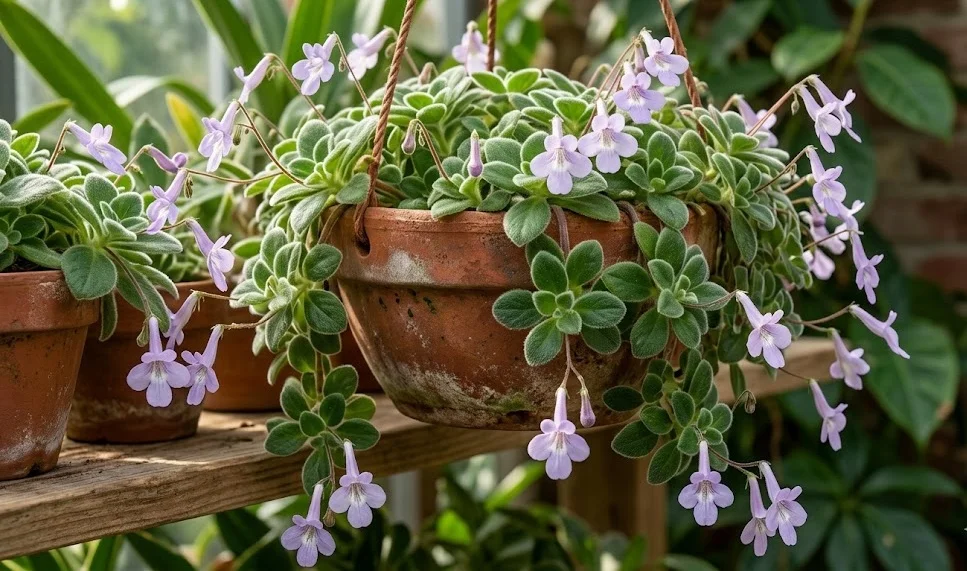
For cascading specimens in hanging baskets, pruning is used to maintain an even and balanced appearance on all sides. You should aim to keep the trailing stems at a consistent length to prevent the plant from looking lopsided or sparse in certain areas. Removing about one-third of the longest stems each year keeps the plant’s energy focused on the center rather than just the tips. This ensures that the top of the basket remains lush and full of leaves rather than becoming bare and unattractive.
Identifying and removing “suckers” or unwanted side growth is another part of maintaining a professional-looking plant. These are small plantlets that sometimes grow from the base or along the stems, competing with the main plant for nutrients and light. If left alone, they can make the plant look cluttered and reduce the size and quality of the flowers. You can carefully remove these with a sharp blade and even use them as cuttings to start new plants for your collection.
If you notice any leaves that are damaged, yellowed, or showing signs of pest activity, they should be pruned away immediately. Removing these individual leaves prevents the spread of potential problems and improves the air circulation within the plant’s canopy. Always cut as close to the main stem as possible without damaging the stem itself to avoid leaving unsightly “stubs.” A clean, well-maintained plant is much more capable of defending itself against environmental stressors.
Post-pruning care and recovery
After a significant pruning session, the plant will need a little extra care as it heals its wounds and begins to grow again. Avoid watering immediately after cutting, as moisture on the fresh wounds can encourage the growth of bacteria or fungi. Wait about twenty-four hours for the cut surfaces to “callous” or dry over before resuming your regular watering schedule. This simple precaution significantly reduces the risk of stem rot and other post-pruning complications.
More articles on this topic
The plant’s demand for light may increase slightly as it tries to power the production of new green tissue. Moving the pruned plant to a slightly brighter spot can help speed up the recovery process and ensure the new growth is strong and compact. However, be careful not to place it in direct, hot sun, as the reduced leaf area means the plant cannot transpire as effectively as before. A stable, bright environment is the best nursery for a recovering Cape primrose.
Resuming a regular fertilization routine is important once you see the first signs of new leaves appearing on the pruned stems. Use a balanced, dilute fertilizer to provide the necessary nutrients for this rapid burst of growth. Avoid the temptation to over-fertilize, as the reduced size of the plant means it cannot process large amounts of nutrients all at once. Patience is key, as it may take several weeks for the plant to return to its full, flowering glory.
By integrating pruning into your regular care routine, you will develop a deeper understanding of the plant’s growth habits and needs. It is a rewarding process that allows you to take an active role in shaping the beauty of your indoor garden. A well-pruned false African violet is a testament to the skill and dedication of the gardener who cares for it. Through these simple actions, you ensure the health and longevity of one of the most charming plants in the horticultural world.