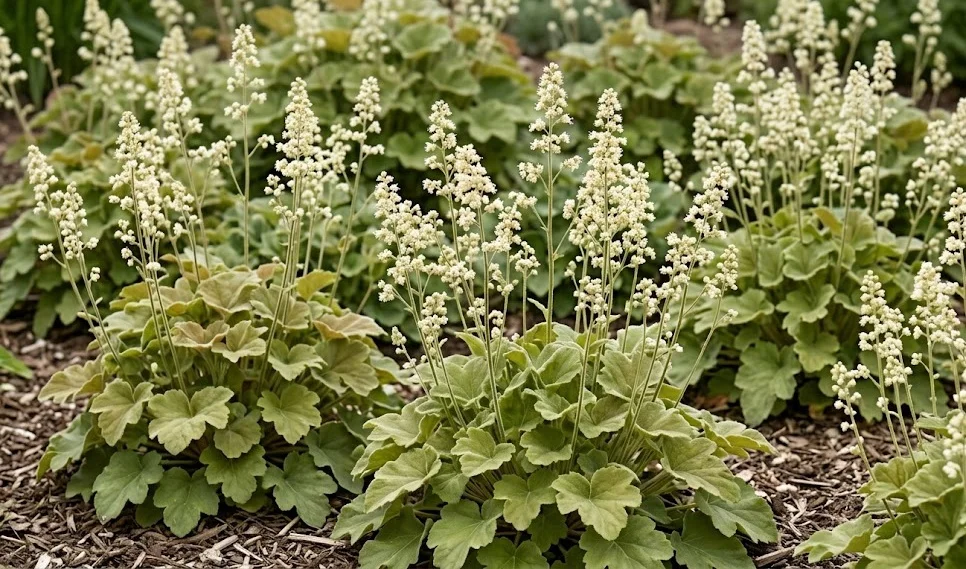

Proper hydration and nutrition are the twin pillars that support the lush growth and resilience of these beautiful garden perennials. While they are often praised for their ability to withstand varied conditions, a professional approach to these tasks can elevate the plant’s health significantly. You should focus on creating a consistent routine that anticipates the needs of the plant rather than simply reacting to signs of stress. By understanding the relationship between water, soil, and nutrients, you can ensure that your garden remains a vibrant sanctuary throughout the growing season.
The art of watering is more complex than it appears, as it involves balancing the needs of the foliage with the requirements of the root system. You will find that the amount of moisture needed can vary greatly depending on the weather, the soil type, and the age of the plant. It is essential to develop a sense for when the earth is truly dry versus when it is simply the surface that has lost its moisture. This intuitive understanding comes with experience and careful observation of the plant’s response to your care.
Fertilization provides the chemical building blocks necessary for the plant to produce its striking leaves and delicate flowers. However, it is possible to provide too much of a good thing, leading to soft growth that is more susceptible to environmental damage. You should aim for a balanced approach that supports the natural growth cycle without forcing the plant into an unsustainable pace of development. Choosing the right products and applying them at the correct times will result in a stronger, more resilient specimen that can hold its own in the border.
Integrating these tasks into your overall garden maintenance schedule ensures that nothing is overlooked during the busy summer months. You should treat watering and feeding as opportunities to inspect your plants and check for any other issues that might be emerging. This holistic view of plant health allows you to catch problems early and maintain a high standard of care for your entire collection. With the right foundation of moisture and nutrients, your perennials will reward you with a display that is both professional and profoundly beautiful.
Water requirements and timing
The key to successful watering is depth and consistency, ensuring that the moisture reaches the lower parts of the root system where it is most needed. You should aim to water early in the morning, which allows the leaves to dry quickly and reduces the risk of fungal problems developing overnight. This timing also ensures that the plant has a full reservoir of moisture to draw upon as the temperatures rise throughout the day. Avoid frequent, shallow watering, as this encourages roots to stay near the surface where they are more vulnerable to heat.
More articles on this topic
During the peak of summer, you may find that your plants require more frequent attention to stay hydrated and healthy. You should pay close attention to the soil around the base of the plant, as the dense foliage can sometimes act as an umbrella, preventing rain or overhead water from reaching the roots. A soaker hose or drip irrigation system can be a very effective professional solution for delivering water directly to the soil surface. This targeted approach minimizes waste and ensures that every drop is put to good use by the plant.
The texture of your soil will play a significant role in how often you need to bring out the watering can or turn on the hose. Sandy soils drain quickly and will require more frequent applications, while clay-heavy soils hold moisture for much longer but can become waterlogged. You should adjust your routine based on the physical properties of your garden to avoid the twin dangers of drought and root rot. Monitoring the moisture level by feeling the soil a few inches below the surface is a simple but effective professional habit.
In the autumn and winter months, the plant’s need for water decreases significantly as it enters a dormant or semi-dormant state. You should still keep an eye on the soil during particularly dry winters, especially for plants that have been recently established. Evergreen or semi-evergreen foliage still loses a small amount of moisture through transpiration, even when the temperatures are low. Providing a deep watering before the ground freezes can help the plant survive the winter in much better condition.
Understanding nutrient needs
Like all living things, these perennials require a specific mix of elements to carry out their biological functions and maintain their structure. The primary macronutrients—nitrogen, phosphorus, and potassium—each play a distinct role in the health and appearance of the foliage. Nitrogen is essential for the vibrant color and growth of the leaves, while phosphorus supports a strong root system and flowering. Potassium helps with overall plant vigor and the ability to withstand environmental stressors like cold or disease.
More articles on this topic
In most garden settings, a well-balanced soil rich in organic matter will provide much of what the plant needs without heavy chemical intervention. You should focus on building long-term soil health by incorporating compost or leaf mold into the area surrounding your perennials. This organic approach provides a slow-release source of nutrients that mimics the natural forest floor where these plants originated. It also improves the soil’s ability to hold onto moisture and support a healthy population of beneficial microbes.
If you decide to use supplemental fertilizers, it is important to choose a product that is appropriate for the goals of your garden design. A balanced, all-purpose granular fertilizer applied in early spring can provide a useful boost as the plant begins its most active growth phase. You should follow the application rates carefully, as over-fertilizing can lead to an accumulation of salts in the soil that may eventually harm the roots. Always water the area thoroughly after applying granular products to help the nutrients move down into the root zone.
Observing the leaves can provide clues about the nutritional status of your plants and whether they might be lacking in specific trace elements. For example, a general paleness or yellowing of the older leaves might indicate a need for a bit more nitrogen in the soil. On the other hand, dark green leaves with scorched edges could be a sign of excessive fertilizer use or a buildup of minerals. Learning to interpret these visual signals allows you to fine-tune your fertilization program for the best possible results.
Organic vs inorganic approaches
Many professional gardeners prefer an organic approach to feeding their plants, as it supports the entire ecosystem of the garden. By using materials like fish emulsion, seaweed extract, or well-rotted manure, you provide a diverse range of nutrients and minerals. These products often have the added benefit of improving soil structure and encouraging earthworm activity, which naturally aerates the ground. You will find that plants grown in organically rich soil often have a more natural and balanced appearance than those forced with high-strength chemicals.
Inorganic or synthetic fertilizers offer a more immediate and precise way to deliver nutrients, which can be useful in certain professional contexts. For example, if you are growing plants in containers, the limited volume of soil can quickly become depleted of essential elements. A liquid synthetic fertilizer can be applied during routine watering to ensure that the plants have constant access to what they need. However, it is crucial to use these products judiciously to avoid leaching chemicals into the wider environment or the groundwater.
Combining both approaches can sometimes yield the best results for a high-maintenance perennial border. You might use organic matter as the foundation of your soil health while providing a light application of synthetic fertilizer during the peak flowering season. This “best of both worlds” strategy allows you to enjoy the long-term benefits of organic soil while ensuring the plants never hit a nutritional wall. You should always prioritize the health of the soil as the primary driver of plant success in any professional landscape.
Whichever method you choose, consistency is more important than using the most expensive or advanced products on the market. You should establish a simple schedule that you can realistically maintain throughout the busy growing season. By keeping the plants on a steady nutritional plane, you avoid the cycles of “boom and bust” growth that can lead to structural weakness. A well-fed plant is a beautiful plant, and the effort you put into fertilization will be clearly visible in the quality of the foliage.
Managing water stress
Water stress can occur both when the plant has too little moisture and, paradoxically, when it has too much for an extended period. When the soil is bone-dry, the plant will prioritize survival by wilting and eventually shedding some of its precious foliage to conserve resources. You should intervene before this stage by maintaining a regular watering schedule that keeps the soil from drying out completely. Even if a plant recovers from a severe drought, it may be stunted or more vulnerable to pests for the rest of the season.
Too much water is equally dangerous, as it fills the air spaces in the soil and essentially drowns the roots by depriving them of oxygen. You will notice that plants in waterlogged soil may look wilted or yellow, similar to those suffering from drought, which can be confusing for a novice gardener. If you suspect your soil is holding too much water, you may need to improve the drainage by adding grit or moving the plant to a slightly higher spot. Professional drainage solutions are worth considering if you have large areas of the garden that consistently hold water.
Using mulch is one of the most effective ways to manage water stress and maintain a stable environment for the root system. A layer of wood chips, bark, or compost acts as an insulating blanket that keeps the soil cool and significantly reduces evaporation. You should apply mulch in the spring while the soil is still moist, being careful not to cover the crown of the plant itself. This simple practice can reduce your watering needs by half and provide a much-needed buffer during unexpected heatwaves.
Monitoring the weather and adjusting your habits is a sign of a professional who is truly in tune with their garden. You should not water on a strict calendar basis but rather based on the actual conditions of the sky and the earth. A heavy rainstorm might mean you can skip watering for a few days, while a week of drying winds could necessitate an extra session. Being flexible and responsive to the environment ensures that your plants always have the right amount of moisture to thrive.
Optimizing for growth and display
The ultimate goal of your watering and fertilization efforts is to create a plant that is a highlight of your garden design. When a perennial is perfectly hydrated and nourished, its leaves will have a thickness and a luster that is impossible to achieve through other means. You will see more vigorous growth and a greater number of flower spikes, which adds to the overall value of the plant in the landscape. Professional quality is the result of many small, consistent actions taken over the course of the entire year.
During the flowering period, the plant’s demand for both water and nutrients can increase as it puts energy into producing its blooms. You might find it beneficial to provide a bit of extra support during this time to ensure the flowers last as long as possible and the foliage remains strong. This is especially true if you are growing varieties that are known for their particularly large or colorful leaves. A little bit of extra care during this peak moment can make the difference between a good display and a spectacular one.
As the season winds down, you should gradually reduce your inputs to encourage the plant to harden off for the coming winter. This transition period is important for ensuring that the new growth has time to mature before the first frosts arrive. You should stop fertilizing by late summer and allow the soil to dry out a bit more naturally as the temperatures cool. This professional approach to the seasonal cycle respects the plant’s internal clock and prepares it for a successful dormant period.
Reflecting on the success of your watering and feeding program at the end of each year will help you improve your skills for the future. You might notice that certain varieties responded better to your routine than others, or that some areas of the garden required more attention. This ongoing learning process is what turns a hobbyist into an expert gardener with a truly professional touch. Your dedication to the “invisible” work of watering and feeding is what makes the visible beauty of the garden possible.