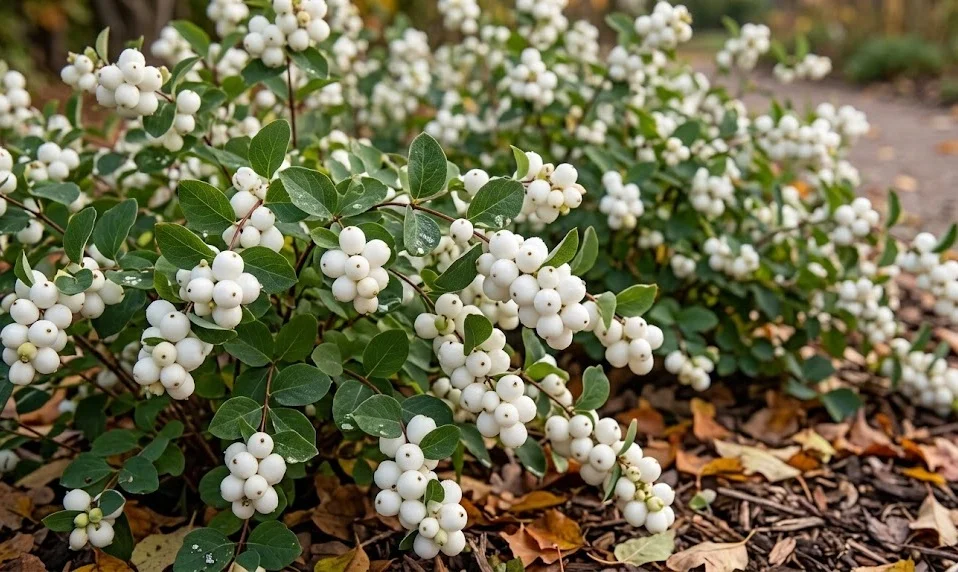

Understanding the light needs of a snowberry is fundamental to placing it correctly in your garden and ensuring its long-term health. You should know that this versatile shrub is one of the few that can adapt to a wide range of light conditions, from bright sun to relatively deep shade. This flexibility makes it an invaluable tool for landscaping areas that might be challenging for more demanding ornamental plants. However, the amount of light the plant receives will directly influence its growth habit, foliage density, and the number of berries it produces.
While the snowberry is famously shade-tolerant, its appearance can vary significantly depending on where you decide to plant it. You will find that in full sun, the plant tends to be more compact and produces a higher volume of flowers and berries. In contrast, a specimen grown in deep shade will have a more open, arching habit and might produce fewer of its characteristic white fruits. Balancing these visual outcomes with the specific conditions of your garden is a key part of professional landscape design.
Providing the ideal light environment for your snowberry also involves considering the intensity of the sun in your specific climate. You might find that in very hot southern regions, the plant actually appreciates some afternoon shade to protect its leaves from scorched edges. Conversely, in cooler northern areas, as much sun as possible is often best to help the berries ripen and the stems harden off before the winter. Adjusting your placement based on these regional factors shows a sophisticated understanding of plant biology.
Observing how the light moves across your garden throughout the day and through the seasons will help you find the perfect spot for this shrub. You should take note of how the shadows from buildings or larger trees change, as a spot that is sunny in the spring might be in deep shade by mid-summer. This careful site analysis is a professional habit that prevents many future problems and ensures your plants are always in their best possible environment. Every garden has its own unique light signature, and learning it is part of the joy of gardening.
Full sun vs partial shade
A snowberry planted in full sun will typically reward you with the most vigorous growth and the densest concentration of berries. You should aim for a location that receives at least six hours of direct sunlight per day if you want to maximize the ornamental impact of the shrub. In these bright conditions, the stems grow strong and upright, creating a sturdy bush that can support the weight of its many fruit clusters. The foliage also tends to be a deeper, more vibrant green when it has plenty of energy from the sun to power its photosynthesis.
More articles on this topic
However, many gardeners value the snowberry specifically for its ability to thrive in partial shade where other plants might struggle. You should consider using it in areas that receive dappled light under the canopy of larger trees or in the shadow of a fence for part of the day. In these settings, the plant takes on a more elegant, arching form that can add a beautiful structural element to a woodland-style garden. While it may produce slightly fewer berries, the overall effect is often more natural and integrated into the surrounding environment.
In very hot climates, partial shade is actually the preferred environment for the snowberry to keep it looking its best during the height of summer. You should look for a spot that offers some protection from the intense midday sun, which can sometimes cause the leaves to look pale or stressed. A location with morning sun and afternoon shade is often the “sweet spot” that provides enough light for berry production without the risk of heat damage. Understanding this balance allows you to grow a beautiful snowberry even in challenging, warm-weather gardens.
The versatility of the plant means you can use it to create a visual bridge between sunny borders and shaded woodland areas. You can plant a row of snowberries that transition from one light condition to another, showing off the different growth habits of the species. This professional use of a single plant type can provide a sense of continuity and rhythm to your garden design. Experimenting with different light levels will show you just how adaptable and hardworking this shrub can be in any landscape.
Impact of light on berry development
The iconic white berries of the snowberry are its most famous feature, and their production is closely tied to the amount of light the plant receives. You should know that the flowers, which appear in summer, need a certain amount of solar energy to develop properly and attract pollinators. A plant grown in a very dark corner may fail to flower altogether or produce only a few scattered blossoms, leading to a disappointing berry crop. Ensuring adequate light during the late spring and early summer is the secret to a spectacular autumn display.
More articles on this topic
Once the berries have formed, light continues to play a role in their development and how long they persist on the branches. You might notice that berries on the sunnier side of a bush tend to ripen more evenly and may even take on a slightly larger size. While the berries themselves don’t need direct sun to turn white, the overall energy levels of the plant determine how many fruits it can successfully support. A well-lit plant has the resources to produce those dense, heavy clusters that look so impressive in the winter landscape.
If you find that your snowberry is not producing as many berries as you would like, you should first evaluate the light levels it is receiving. You might be able to improve the situation by pruning back overhanging branches from nearby trees to let more light reach the shrub. Even a small increase in the amount of daily sunlight can have a significant impact on the plant’s reproductive success in the following year. Being proactive about managing the light environment is a key part of getting the best results from your ornamental shrubs.
The contrast between the bright white berries and the surrounding garden is also a matter of light and shadow in your landscape design. You can plant the snowberry in a spot where the low winter sun will hit the berries, making them seem to glow against a dark background. Alternatively, placing it in a shaded area can make the white fruits stand out as bright points of light in a dim corner of the garden. Thinking about the visual interplay of light and color is a professional way to elevate the aesthetic quality of your outdoor space.
Selecting the ideal garden position
Choosing the final home for your snowberry involves more than just checking the light; it’s about integrating the plant into the overall flow of your garden. You should look for a position where the plant’s natural growth habit will be an asset rather than a hindrance to nearby plants. For example, using it as a background for shorter, sun-loving perennials can provide a beautiful green backdrop during the summer and winter interest later on. Consider how the light at that specific spot will change not just during the day, but as the seasons progress.
A professional tip for site selection is to observe the area during different times of the year before you actually dig the hole. You might find that a spot that seems perfect in the winter is actually too shaded by a neighbor’s tree once the leaves come out in May. Taking the time to understand the long-term light patterns of your garden will save you the trouble of moving a mature shrub later. Patience in the planning phase is always rewarded with healthier plants and a more harmonious garden layout.
Think also about how the light interacts with the surrounding structures, such as walls or fences, which can reflect heat and light back onto the plant. A white wall can act as a giant reflector, effectively increasing the light levels for a snowberry planted in front of it. This can be a great way to boost berry production in a northern garden, but it might be too much in a hot, southern climate. Being aware of these subtle environmental factors is part of the sophisticated approach of an expert gardener.
Finally, remember that the snowberry is a tough plant that will usually find a way to grow even if the conditions aren’t perfect. You shouldn’t be afraid to experiment with placement, especially if you have several plants to work with in your landscape. If you notice one plant is doing much better than another, try to analyze why the light or other conditions might be different at that spot. Learning from your own garden’s successes and failures is the best way to develop your professional skills and intuition over time.