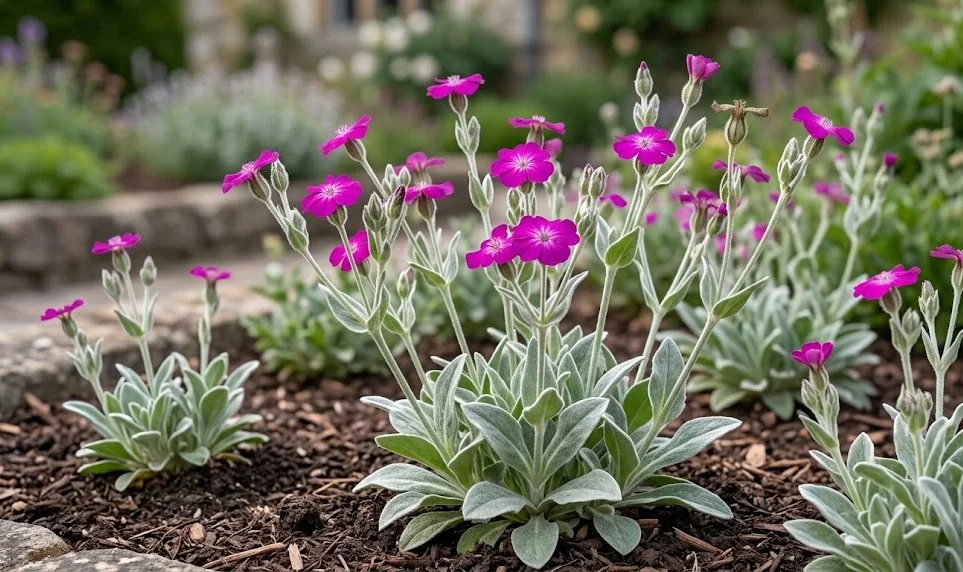

Pruning is a simple but essential task that keeps your rose campion looking its best and encourages a more vigorous display of flowers. While the plant has a naturally informal growth habit, a bit of strategic cutting can prevent it from becoming too messy or overcrowded in a professional border. You should focus on removing spent flower stalks and old foliage to make room for fresh, new growth to emerge from the center of the plant. Understanding when and how to prune will help you maintain the perfect balance between wild beauty and garden structure.
The most active period for pruning usually begins in the early summer as the first flush of flowers starts to fade and turn brown. By cutting these stems back to the next set of healthy leaves, you encourage the plant to produce a second, smaller flush of blooms later in the season. This process, often called deadheading, also prevents the plant from putting all its energy into seed production, which can sometimes shorten its lifespan. It is a relaxing garden chore that provides immediate visual improvement to your flower beds.
In addition to deadheading, you should keep an eye out for any leaves that have become yellowed, spotted, or damaged by pests throughout the summer. Removing these individual leaves not only keeps the plant looking tidy but also improves air circulation and reduces the risk of disease spreading. Use a pair of sharp, clean scissors or small garden snips to make precise cuts without crushing the stems. This attention to detail is what separates a well-maintained professional landscape from a neglected one.
As the main growing season comes to an end in late summer or early autumn, you can perform a more significant cleanup of the entire plant. You might choose to cut back the remaining flower stalks all the way to the base to give the silver rosettes more room to breathe and grow. However, be careful not to cut into the main crown of the plant, as this is where the new growth for the following year is stored. A gentle touch is always better than an overly aggressive approach when it comes to these hardy but short-lived perennials.
Managing the winter transition and spring cleanup
As winter approaches, the pruning strategy shifts from encouraging growth to protecting the plant and maintaining some visual interest in the dormant garden. Many experts recommend leaving the silver foliage rosettes intact through the coldest months rather than cutting them back to the ground. These leaves provide a natural layer of insulation for the plant’s crown and look beautiful when covered in a light dusting of frost. You only need to remove any stems that have become completely dry and brittle to keep the area looking intentional.
More articles on this topic
When the first signs of spring appear and the ground starts to warm up, it is time for the most important pruning session of the year. You should carefully clear away all the old, tattered leaves from the previous season to reveal the fresh, bright silver growth emerging in the center. This cleanup process helps prevent pests and diseases that might have overwintered in the dead foliage from attacking the new shoots. It is a rewarding task that marks the true beginning of the new gardening year for many people.
If you find that an older plant has become too woody or has a large “hole” in the middle, you can use pruning as a way to rejuvenate it. While you can’t force new growth from old wood, cutting back the surrounding stems can sometimes encourage dormant buds at the base to activate. If this doesn’t work, it might be a sign that it is time to replace the plant with a fresh seedling or a new division. Understanding the natural lifecycle of the plant helps you make these practical management decisions with confidence.
Always make sure your tools are sharp and disinfected before you start your spring cleanup to avoid introducing any pathogens to the vulnerable new growth. A clean cut heals much faster and is less likely to become an entry point for fungal infections in the damp spring air. Take your time and enjoy the process of revealing the hidden beauty of your plants as they wake up from their winter sleep. This annual ritual is a vital part of the connection between a gardener and their landscape.
Pruning for seed control and propagation
Because rose campion is such a prolific self-seeder, pruning the flower heads is your primary tool for managing its spread throughout your garden. If you want to prevent new seedlings from popping up in every available space, you must be diligent about cutting off the flower stalks before the seed pods open. You can wait until the blooms have faded and the pods have turned brown, but move quickly once they start to feel dry and papery. This level of control allows you to keep the plant exactly where you want it without it becoming an invasive nuisance.
More articles on this topic
On the other hand, if you want to encourage a more naturalized look, you can leave a few selected flower heads to ripen and drop their seeds naturally. You might even choose to cut these dried stalks and shake them over areas where you want new plants to grow in the following year. This targeted approach to seed dispersal is a clever way to expand your garden for free while still maintaining a sense of design. It is all about using the plant’s natural tendencies to work in your favor as a landscape designer.
When you are pruning for seed collection, make sure to store the pods in a paper bag in a cool, dry place until they are ready to be cleaned and sown. This ensures that the seeds are fully mature and have the best chance of germinating when you are ready to plant them. Labeling your seeds with the variety and the year they were collected is a professional habit that will save you a lot of confusion later on. Propagating your own plants from seed is one of the most satisfying aspects of long-term gardening.
Whether you are pruning for aesthetics, health, or propagation, the goal is always to support the plant’s natural beauty and vigor. By following these expert tips, you can ensure that your rose campion remains a highlight of your garden for many seasons to come. Every cut you make is an opportunity to shape the future of your landscape and learn more about the plants you care for. Enjoy the process and the beautiful results that come from a well-maintained and thoughtful garden space.