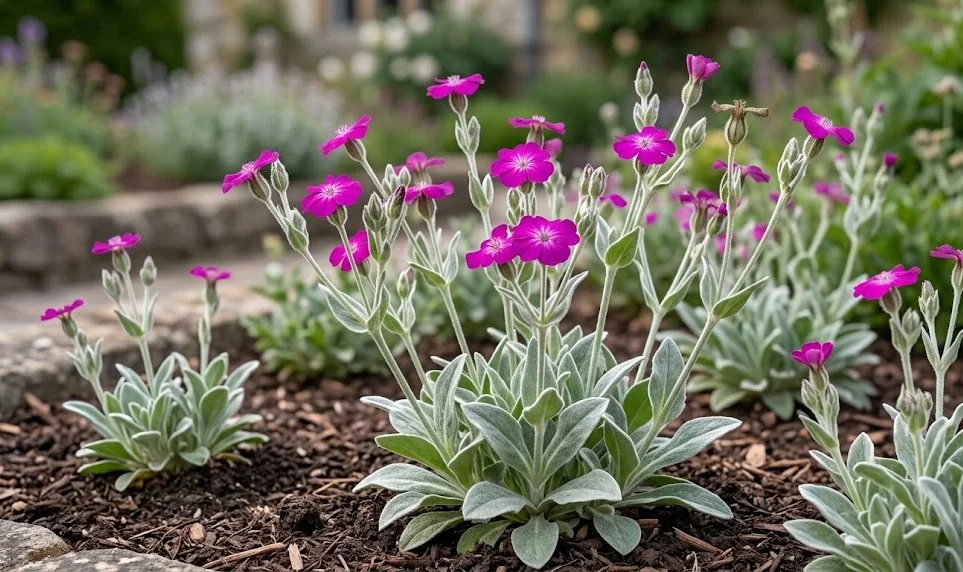

When you decide to add rose campion to your garden, the first and most important step is choosing a spot that mimics its natural habitat. This hardy perennial thrives in locations that offer plenty of sunlight and have soil that does not stay waterlogged for long periods. You will find that it is quite adaptable, but a sunny position is essential if you want to see those vibrant blooms at their best. Preparing the ground properly before planting will give your new additions the best possible start in their new home.
The soil should be well-drained and relatively light, as the silver-leaved plants are particularly sensitive to “wet feet” during the dormant season. You can improve heavy or compacted soil by mixing in some coarse sand or fine gravel to enhance the drainage properties. While the plant can tolerate poor soil, avoid areas where water tends to puddle after a heavy rainstorm. If your garden has mostly clay soil, consider creating a raised bed or a small mound to ensure the roots stay dry and healthy.
Before you dig your first hole, clear away any existing weeds or grass that might compete with the young plants for moisture and space. You should work the soil to a depth of about ten inches to loosen it up and make it easier for the roots to expand. Adding a small amount of well-rotted compost can provide a gentle nutrient boost, but don’t overdo it with rich fertilizers. A lean soil often results in a sturdier plant with more intense silver foliage, which is exactly what most gardeners want.
Space your plants about twelve to fifteen inches apart to allow for their mature width and to ensure good air circulation between the stems. This spacing is crucial for preventing powdery mildew, which can sometimes affect the velvet-like leaves in crowded or damp conditions. Once you have determined the layout, you can move on to the actual planting process with confidence. Taking the time to plan your arrangement will result in a much more professional-looking garden display once the plants mature.
Techniques for successful planting
The best time to plant your rose campion is either in the early spring or the early autumn when the temperatures are relatively mild. If you are planting in the spring, wait until the danger of hard frost has passed and the soil has started to warm up. For autumn planting, ensure the plants have at least six weeks to establish their roots before the ground freezes for the winter. Both seasons offer the advantage of natural rainfall, which helps the plants settle into their new environment without excessive stress.
More articles on this topic
When you remove the plant from its nursery pot, gently loosen any roots that have started to circle the bottom of the container. Place the plant in the hole at the same depth it was growing in the pot, as planting too deep can cause the crown to rot. Fill in the space around the root ball with soil and press down firmly with your hands to remove any large air pockets. You want the plant to feel secure in the ground but not so compacted that the water cannot reach the roots easily.
Immediately after planting, give each specimen a thorough watering to help settle the soil around the root system. You should continue to monitor the moisture levels for the first few weeks, especially if the weather is particularly dry or windy. Once the plants show signs of new growth, you can gradually reduce the frequency of watering as they become more self-sufficient. A thin layer of mulch can help retain moisture, but keep it away from the direct base of the silver rosettes.
If you are planting a large area, consider working in small sections to prevent the soil and plant roots from drying out in the sun. It is often helpful to have all your tools and materials ready before you start the process to make it go as smoothly as possible. Watching your new plants establish themselves is one of the most rewarding aspects of gardening for beginners and experts alike. With the right technique, your rose campion will quickly become a permanent and beautiful fixture in your landscape.
Propagating through seed sowing
Sowing seeds is perhaps the most common and easiest way to increase your population of rose campion throughout your garden beds. You can choose to sow the seeds directly into the garden in the late summer or early autumn, mimicking the plant’s natural cycle. This method allows the seeds to undergo a period of natural chilling over the winter, which often improves germination rates in the spring. Simply scatter the seeds over prepared soil and lightly press them in, but do not cover them deeply with soil.
More articles on this topic
If you prefer more control, you can start the seeds indoors in trays about eight to ten weeks before the last expected frost. Use a high-quality seed-starting mix and keep the trays in a bright, warm location until the seedlings begin to emerge. Once the young plants have developed two or three sets of true leaves, they are ready to be hardened off and moved outside. This indoor start gives you a head begin on the growing season and allows you to place the plants exactly where you want them.
The seedlings are very easy to recognize because of their distinct silver-grey color even at a very young age. You should be careful not to mistake them for weeds when you are cleaning your garden beds in the early spring. If they sprout too thickly in one area, you can easily transplant the extras to other parts of the garden where you need more color. They are quite resilient to being moved as long as you take a good clump of soil with the roots.
Rose campion is famous for its ability to self-seed, which can be a blessing for those looking for a naturalized appearance in their landscape. If you want to encourage this, simply leave the flower heads on the plant until the seed pods have fully dried and opened. You will notice new rosettes appearing in the following year, often in unexpected but charming locations around the original plant. Managing this natural spread is a simple way to keep your garden full and vibrant without any extra cost.
Propagation by division and cuttings
While seed sowing is the most popular method, you can also propagate rose campion by dividing established clumps in the spring. This is particularly useful if you have a specific variety or color that you want to replicate exactly in another part of your yard. Use a sharp spade to lift the entire root ball out of the ground and then carefully pull the clump apart into smaller sections. Each new piece should have a healthy set of leaves and a good amount of roots attached to it.
Replant the divisions immediately into prepared soil and water them in well to minimize the shock of being moved. You might notice some slight wilting for a few days, but the plants usually recover quickly once they establish their new root connections. This method is also a great way to rejuvenate older plants that have become too large or have lost their vigor in the center. Dividing your perennials every three to four years keeps them healthy and productive for a much longer period.
Basal cuttings are another professional technique you can use to propagate this species, although it requires a bit more care than the other methods. In the early spring, look for new shoots emerging from the base of the plant and cut them off with a small piece of the crown attached. Place these cuttings in a pot filled with a sandy, well-draining potting mix and keep them in a shaded, humid environment. Within a few weeks, they should develop their own roots and be ready for transplanting into the garden.
Using these various propagation techniques allows you to expand your garden quickly and economically while maintaining the quality of your plants. Whether you enjoy the simplicity of seed sowing or the immediate results of division, there is a method that will work for you. Experimenting with different ways to grow your own plants is a fantastic way to deepen your horticultural knowledge and skills. Your garden will surely benefit from the extra care and attention you provide during these early stages of growth.