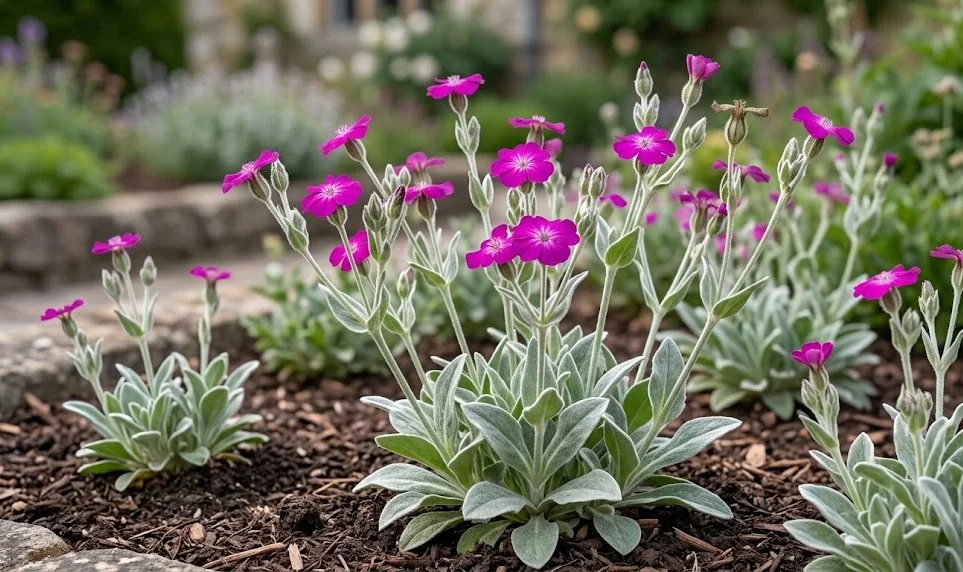

Rose campion is a beloved perennial that brings a unique aesthetic to any garden landscape with its woolly silver foliage and bright blossoms. To achieve the best results, you need to understand the basic environmental preferences that allow this plant to flourish over several seasons. While it is known for being relatively low-maintenance, providing the right foundation is key to seeing those iconic magenta flowers every summer. By paying attention to the specific needs of the plant, you can ensure it remains a highlight of your outdoor space.
The soil quality plays a significant role in how well the plant develops its deep root system during the first year. You should aim for well-drained soil, as constant moisture around the roots can lead to various health issues for the plant. Even though it tolerates poor soil conditions quite well, adding a bit of organic matter can improve the overall structure and nutrient availability. Avoid heavy clay soils that retain too much water, especially during the colder months when drainage is even more critical.
Temperature and climate adaptability are among the greatest strengths of this species in temperate regions. It can handle intense summer heat without wilting, provided it has had time to establish itself properly in the ground. The silver hairs on the leaves actually serve as a natural defense mechanism against excessive transpiration and sun damage. You will find that it survives cold winters with ease, making it a reliable choice for gardeners in varying hardiness zones.
Ongoing maintenance involves regular observation to ensure the plant is not being crowded out by more aggressive garden inhabitants. You should keep the area around the base free from weeds that might compete for the limited nutrients in the soil. While it is a short-lived perennial, it often behaves like a biennial by focusing on leaf growth in the first year. Understanding this lifecycle helps you manage your expectations and plan your garden layout more effectively for continuous color.
Optimizing the aesthetic appeal in the landscape
Integrating this plant into your garden design requires a bit of foresight regarding its color palette and texture. The striking contrast between the greyish-silver stems and the vivid pink or white flowers creates a focal point that draws the eye immediately. You can pair it with deep green shrubs or darker perennials to make the colors pop even more dramatically throughout the blooming season. Many designers use it in cottage gardens or rockeries where its informal growth habit feels right at home.
More articles on this topic
The height of the flower stalks can reach up to three feet, so placement within a border is an important consideration. You should place it in the middle or back of a flower bed to prevent it from overshadowing smaller, ground-hugging species. Because the stems are quite sturdy, they rarely require staking unless they are planted in an exceptionally windy or shaded location. This upright habit makes it excellent for creating vertical interest without much extra effort on your part.
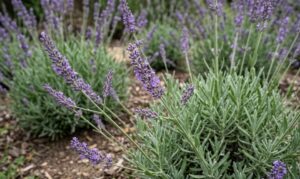
Companion planting is another professional secret to making your rose campion look its absolute best during the summer months. Consider planting it alongside blue-toned flowers like lavender or catmint to create a sophisticated and cooling color scheme. The silver foliage also acts as a wonderful neutral backdrop for late-blooming perennials that take over once the campion finishes its primary show. Experimenting with different textures will help you find the most harmonious balance for your specific garden style.
If you are looking to attract pollinators, this plant is an excellent choice for a wildlife-friendly garden space. Bees and butterflies are naturally drawn to the nectar-rich blooms that appear in late spring and continue through mid-summer. By including this species, you are supporting the local ecosystem while enjoying a beautiful display of natural activity. It is always rewarding to see your garden come alive with movement thanks to the right plant selections.
Long-term health and vitality strategies
Maintaining the vitality of the plant over several years requires a proactive approach to its natural lifecycle and self-seeding habits. Since individual plants are not particularly long-lived, you should allow some flowers to go to seed to ensure a new generation. This natural process keeps the garden populated without you having to buy new starts every couple of years. Managing this spread is simple if you learn to identify the young silver rosettes that emerge in the spring.
More articles on this topic
The density of the planting can affect the air circulation, which is vital for preventing fungal issues on the velvet-like leaves. You should ensure there is enough space between plants so that the foliage can dry quickly after a rainstorm or morning dew. If the plants become too crowded, the lower leaves may start to yellow or rot, which detracts from the overall beauty. Thinning out older or weaker specimens every few years helps maintain a healthy and vigorous population.
Soil health should be monitored even if the plant is known for its ability to grow in “lean” or poor conditions. You can apply a thin layer of compost around the base in early spring to give the emerging shoots a gentle boost. Avoid over-fertilizing with high-nitrogen products, as this often leads to excessive leaf growth at the expense of the flowers. A balanced approach ensures the plant stays compact and produces the maximum number of blooms possible.
Observation is your best tool when it comes to ensuring the long-term success of your horticultural efforts in the garden. Take a walk through your beds once a week to check for any signs of stress or unusual leaf discoloration. Early intervention is always easier than trying to save a plant that has been struggling for a long period. By staying connected to the needs of your landscape, you create a thriving environment where every species can reach its peak.
Managing the silver foliage for maximum impact
The unique texture of the leaves is one of the primary reasons people choose to grow this specific perennial in their yards. These soft, woolly surfaces are not just for show; they provide protection against various environmental stressors throughout the year. You should avoid touching the leaves too frequently, as the oils from your hands can sometimes damage the delicate silver hairs. Keeping the foliage clean from mud splashes during heavy rains will maintain that pristine, frosted appearance that looks so elegant.
During periods of high humidity, the silver coating can sometimes trap moisture, leading to minor aesthetic issues on the leaf surface. You can mitigate this by watering at the base of the plant rather than from overhead to keep the leaves dry. If you notice any damaged or browned leaves near the bottom of the plant, simply pluck them away to keep it looking tidy. This simple grooming routine makes a big difference in how the plant is perceived within a professional landscape.
In the autumn, the foliage often retains its color and shape much longer than other perennials in the same border. You might choose to leave the silver rosettes intact during the winter to provide some visual interest in a dormant garden. The contrast of the silver leaves against the dark soil or even light snow can be quite breathtaking on a winter morning. This evergreen or semi-evergreen quality is a major benefit for those who want year-round structure in their outdoor spaces.
As spring approaches, you can clear away any old or tattered leaves to make room for the fresh new growth emerging from the center. This cleanup process signals the start of the new growing season and gives the plant a refreshed look for the months ahead. Be careful not to disturb the crown of the plant while you are removing the debris from the previous year. A little bit of care in the early months sets the stage for a spectacular display later on.
Understanding the flowering cycle and deadheading
The blooming period usually begins in late May or June and can last for several weeks if the conditions remain favorable. Each individual flower is relatively short-lived, but the plant produces a continuous succession of buds on its branched stems. You will notice that the intensity of the color remains consistent from the first bloom to the very last one. This reliability makes it a favorite for those who want a predictable splash of color in their summer borders.
Deadheading, or removing spent flowers, is a common practice that can help extend the blooming season significantly for many gardeners. By cutting back the faded blooms, you encourage the plant to put its energy into producing more flowers rather than developing seeds. You should cut the flower stem back to the next set of leaves or a new bud to keep the plant looking neat. This simple task can be a relaxing part of your regular garden maintenance routine during the warm summer evenings.
If you prefer a more natural look or want the plant to self-seed, you can skip the deadheading process entirely towards the end of summer. The seed pods themselves have an interesting architectural shape that adds a different kind of beauty to the garden as they dry. Once the pods turn brown and start to open, the tiny black seeds will be dispersed by the wind or gravity. This is the easiest way to ensure that you have plenty of new seedlings to work with the following year.
The transition from flowering to seed production is a natural part of the plant’s life cycle that marks the height of the season. You can choose to harvest some of these seeds manually if you want to plant them in specific locations or share them with friends. Store the dried seeds in a cool, dark place until you are ready to sow them in the fall or spring. Understanding these stages allows you to take full control over the propagation and spread of the plant in your yard.
Selecting varieties and color forms
While the traditional magenta-flowered variety is the most common, there are several other cultivars available for different garden themes. You might find white-flowered versions which offer a much softer and more ethereal look, especially when planted in moon gardens. There are also varieties with bicolored blooms or different shades of rose that can add variety to your collection. Selecting a mix of these forms can create a more nuanced and interesting display in a large flower bed.
The white variety, often referred to as ‘Alba’, is particularly striking because of how the white petals contrast with the silver-grey stems. You can use this version to brighten up darker corners of the garden or to separate clashing colors in a vibrant border. It shares the same hardy characteristics as the magenta type, so you don’t have to worry about it being more delicate. Many gardeners find that the white version feels more modern and sophisticated in contemporary landscape designs.
There are also cultivars selected specifically for their compact growth habit or particularly intense foliage color. If you have a smaller garden or want to grow them in containers, look for these dwarf varieties that won’t take up too much space. They still provide the same visual impact but are much easier to manage in tight quarters or on a patio. Reading the plant labels at the nursery will help you identify which variety best suits your specific needs and space.
Regardless of which variety you choose, the basic care requirements remain largely the same across the different forms of the species. You can even mix different colors together to create a meadow-like effect that feels very natural and spontaneous. The diversity within the species allows for a lot of creativity when planning your annual or perennial garden displays. Exploring these options is a great way to personalize your outdoor space and experiment with new horticultural ideas.
Final thoughts on professional landscape integration
Successful integration of this perennial into a professional landscape design requires a balance between its wild nature and your desired garden structure. You should view it as a versatile tool that can fill gaps, provide texture, and add reliable color year after year. Its ability to thrive with minimal intervention makes it an ideal candidate for low-maintenance or sustainable gardening projects. When you plan your garden with these characteristics in mind, the results are almost always rewarding.
Consider using the plant as a “weaver” that grows through and around other more structured plants to soften the overall appearance. This technique creates a sense of depth and maturity in a garden that might otherwise look too static or manicured. The silver foliage acts as a bridge between different colors and forms, tying the entire landscape together into a cohesive whole. It is this versatility that has made it a staple in European and American gardens for centuries.
Educating yourself on the subtle signs of the plant’s health will make you a more effective gardener and steward of your landscape. Whether you are dealing with a single specimen or a large drift, the principles of good drainage and adequate light remain the most important factors. Don’t be afraid to experiment with placement and see how the light interacts with the silver leaves at different times of the day. Every garden is unique, and finding the perfect spot for your plants is part of the joy of the hobby.
Ultimately, the goal is to create an environment where the plant can express its natural beauty while contributing to the overall harmony of your home. By following these expert tips on care and maintenance, you are well on your way to a stunning and successful garden display. Enjoy the process of watching your rose campion grow from a small rosette into a magnificent flowering centerpiece. Gardening is a journey of constant learning, and this plant is a wonderful companion for that adventure.